 Care
Care
How Much Exercise Should a Dog Get Each Day?
We all know that moderate exercise is synonymous with health, but this doesn't quite apply to dogs, since depending on age and breed, it isn't always advisable to encourage our dog to exercise.
While some breeds need to burn off their energy daily with long walks and exercise, others are fine with just going out for a bit to relieve themselves comfortably. Let's take a detailed look at how much exercise a dog should get each day based on its traits.
Which Dogs Need Exercise Frequently?
Some breeds are very active purely by genetics, and these are, generally speaking, the ones that demand the most exercise each day to feel good. We're talking, without a doubt, about terrier breeds, herding dogs, and hunting dogs/hounds.
- Terriers: Pitbull, Airedale, Fox Terrier, Staffordshire, Labrador, etc...
- Herding dogs: German Shepherd, Belgian Shepherd, Australian Shepherd, Basque Shepherd, etc...
- Hounds: Bloodhound, Otterhound, Basset Hound, Dalmatian, etc...
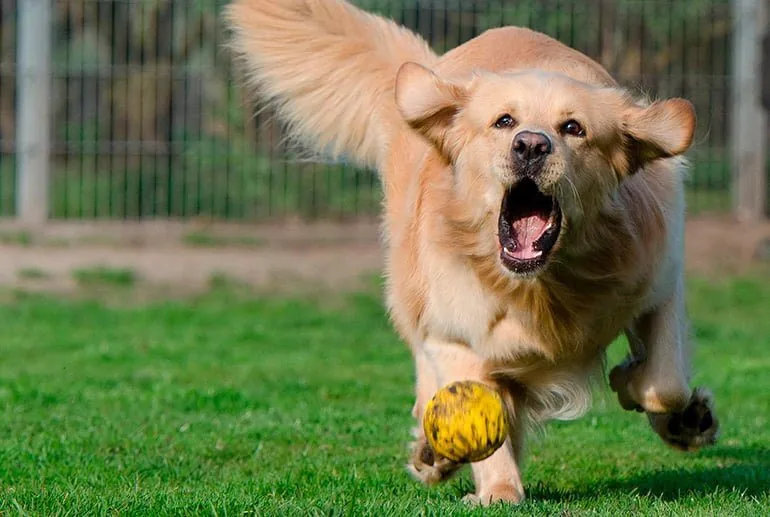
Healthy adult individuals of these breeds need to exercise daily at a moderate intensity. It's not enough to just go for a walk — ideally, they'll accompany us while we run, ride a bike, or even do agility sessions with them.
Which Dogs Should NOT Exercise?
By exercising we mean the act of running at a sustained moderate intensity. Dogs such as puppies, small breeds, brachycephalic breeds, dogs with some condition/illness, or elderly dogs shouldn't exercise.
The dogs mentioned shouldn't exercise, but they should walk and play with other dogs at their own pace, letting them set the pace so we never push them too hard.
How to Exercise With a Dog
Ideally, any dog should go for walks three or four times a day, lasting at least half an hour to an hour each walk. We should let them sniff everything at their own pace, without rushing, let them relieve themselves, mark their territory, etc.... The usual things for a dog.
If they meet up with other dogs and want to play, all the better. In fact, there's no better physical exercise than play. They'll run, jump, nip at each other, and do everything while playing, exercising nonstop.
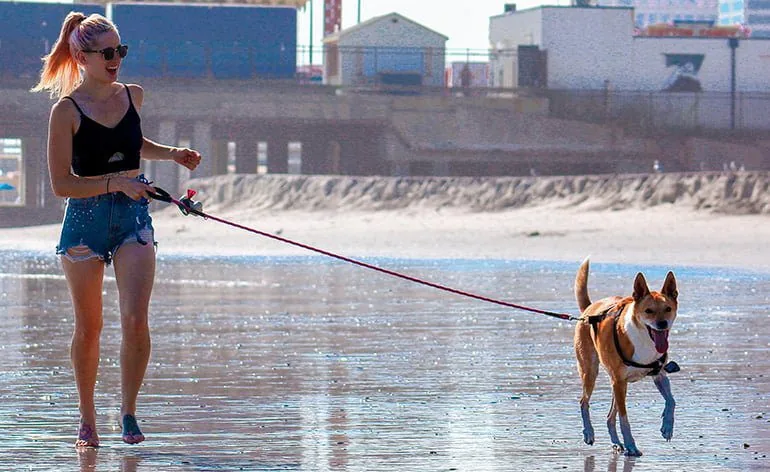
This is the best way to exercise any dog. But some breeds, such as those mentioned at the start of this article, need a higher intensity of exercise. The best option for these dogs is to have them join us while jogging or riding a bike or skates.
Exercise Intensity and Frequency
Breeds that demand more exercise, which join us while we run or bike, need an average of half an hour of running. We should never force them to run if we see they're tired — we should set a pace where they simply jog a little, nothing about going as fast as we can... that's completely counterproductive.
- Healthy, athletic dogs: Half an hour a day of light jogging plus walks.
- Non-athletic adult dogs: Lots of walking and playing with other dogs, throwing the ball for them.
- Elderly dogs: Walks at their own pace, no long hikes.
- Puppies: Just going out to play, close to home, no long walks.
- Sick dogs or dogs with health conditions: Going out at their own pace so they can relieve themselves.
All dogs need to go out to relieve themselves and walk a little, but depending on their health, breed, and age, we'll either limit outings to just relieving themselves or add in a walk of greater or lesser intensity. Not all dogs need intense exercise, and forcing them won't make them stronger — quite the opposite, it will be harmful to their health.
Mental Games Are Necessary Too
We shouldn't confuse physical exercise with mental exercise. The former is only for some dogs, but mental exercise is for all of them. And depending on their age, we can make it more complex or simpler.
The most intelligent breeds, such as herding dogs, need a lot of mental stimulation in addition to physical exercise. It's advisable to play mental games with them daily, so they feel fulfilled.
IMPORTANT: This article is for informational purposes only and does not constitute veterinary, nutritional or behavioural advice. Every dog is different, and only your trusted vet can advise you on its specific needs.