 Breeds
Brachycephalic Dog Breeds
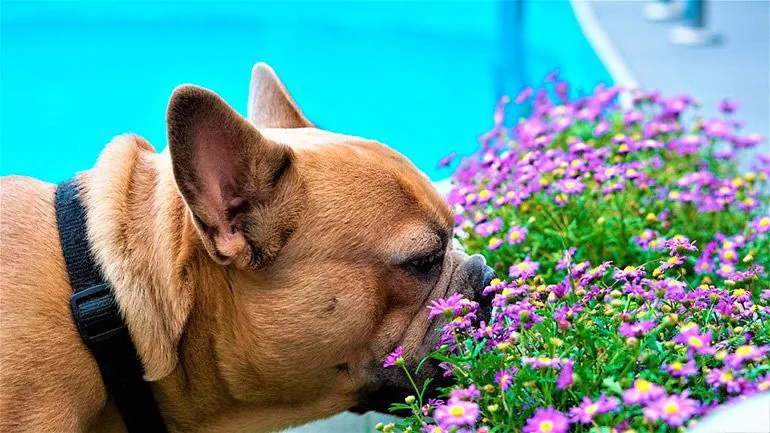
Several brachycephalic breeds are among the most popular for dog lovers. Bulldogs or Boxers, for example. Despite their differences, both have a wide skull and a flattened muzzle.
But there are more similarities. The shape of their head and nose makes them prone to various health problems, particularly ones related to breathing.
What Does "Brachycephalic" Mean?
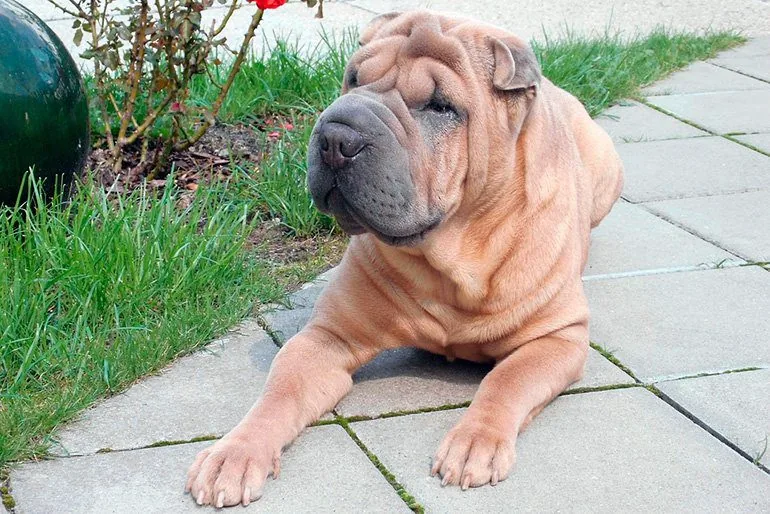
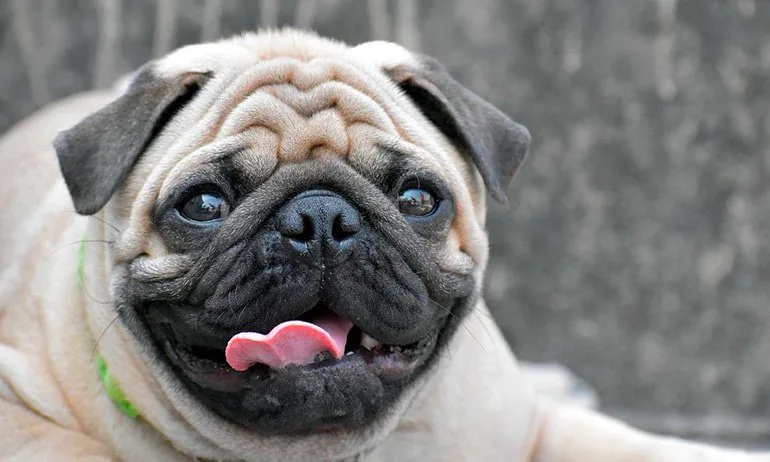
Brachycephalic dogs are those with a rounded skull and a flattened, short muzzle with folds, along with prominent eyes. They're prognathic, meaning the lower jaw sits further forward than the upper jaw. This is a malocclusion characteristic of these breeds.
Which Are the Brachycephalic Dog Breeds?
- Boxer.
- French Bulldog.
- English Bulldog.
- Shih Tzu.
- Boston Terrier.
- Pug.
- Pekingese.
- Shar Pei.
- King Charles Spaniel.
- Brussels Griffon.
- Japanese Spaniel.
How Does Brachycephaly Affect Dogs?
These breeds' anatomical structure makes them prone to a number of problems that can seriously affect their health. Respiratory complications stand out in particular.
That's why we need to take more precautions than with other dogs, watching out for intense activity, heat exposure, or being overweight, since these factors make breathing harder. Below are the most common conditions.
Heatstroke
This is an emergency caused by exposure to high temperatures. Dogs can't sweat to regulate their body temperature and have to cool down through panting, exchanging warm air for cooler air.
When it's very hot, panting won't be enough, especially in these breeds, which already have breathing difficulties under normal conditions. Bulldogs, Pugs, and Pekingese are especially affected.
Proptosis
Proptosis is the protrusion of the eyeball out of its socket. It's an emergency, since it can lead to loss of vision. It's more common in dogs with prominent eyes, which is why it affects these breeds more.
It's mainly caused by trauma or bites, but even rough scuffling could cause this damage. Besides proptosis, these breeds are also more prone to eye damage, like corneal ulcers.
Facial Hair in the Eye
In breeds with facial folds, hair in these areas can grow toward the eyeball. Pekingese and Bulldogs are among the most affected. This causes tearing and can injure the cornea. The hairs can be managed by trimming or even surgically removing them.
Brachycephalic Airway Syndrome
This term covers several anatomical deformities that commonly occur in brachycephalic breeds and affect how the airways function. They include stenotic nares, elongated soft palate, and everted laryngeal saccules.
Stenotic Nares
This problem shows up in brachycephalic puppies. In these dogs, the nasal cartilage is soft and flexible, so every time the puppy inhales, the nostrils pull together and become obstructed. This is also called nasal collapse.
It's a congenital issue, and affected puppies will be underdeveloped. In some cases it resolves on its own once the cartilage hardens, around six months of age. Otherwise, surgery is required.
Elongated Soft Palate
The soft palate is a mucosal flap that reaches down to the epiglottis. When it's elongated, it sits on top of the epiglottis, partially blocking the airways and causing snoring, wheezing, and even nausea or gagging.
Any stress or exercise makes the condition worse and can lead to laryngeal collapse. Surgery is needed to trim the palate, and it should be done as soon as possible to avoid damage to the larynx.
Everted Laryngeal Saccules
Laryngeal saccules are small mucosal pouches oriented toward the inside of the larynx. When there's a recurring airway obstruction, these saccules enlarge and turn outward, further narrowing the respiratory tract. The saccules can be surgically removed.

Tooth Count Abnormalities
Adult dogs have 42 teeth, but brachycephalic breeds may be missing their last molars, simply due to lack of space in the jaw, which is very short. This isn't a problem.
Brain Tumors
Although brain tumors are, fortunately, uncommon in dogs, brachycephalic breeds are the most prone to developing them, due to their rounded, flattened skull shape. The clinical picture will depend on the tumor's location. Surgery is only possible in some cases.
Hydrocephalus
Hydrocephalus is the buildup of cerebrospinal fluid in the brain. This makes the brain grow larger, compressing the cerebral cortex against the skull and causing damage.
Among the breeds at higher risk of congenital hydrocephalus are the Pug, Pekingese, and Bulldog. Treatment involves reducing cerebrospinal fluid production. The prognosis depends on how quickly veterinary treatment begins.
Mast Cell Tumors
Mast cell tumors are tumors in cells called mast cells, which belong to the immune system. In dogs, they show up in the skin, and brachycephalic breeds have a higher predisposition to develop them, especially from around nine years old.
These are masses that can be found in different parts of the body, with varying appearances and sizes. These tumors release histamine and similar substances, which can cause gastroduodenal ulcers. Treatment depends on the tumor's characteristics.
Bibliography Carlson and Giffin (2002): Dog Owner's Home Veterinary Handbook. Madrid: Editorial el Drac.
IMPORTANT: This article is for informational purposes only and does not constitute veterinary, nutritional or behavioural advice. Every dog is different, and only your trusted vet can advise you on its specific needs.