 Training
How to Separate Two Dogs Fighting
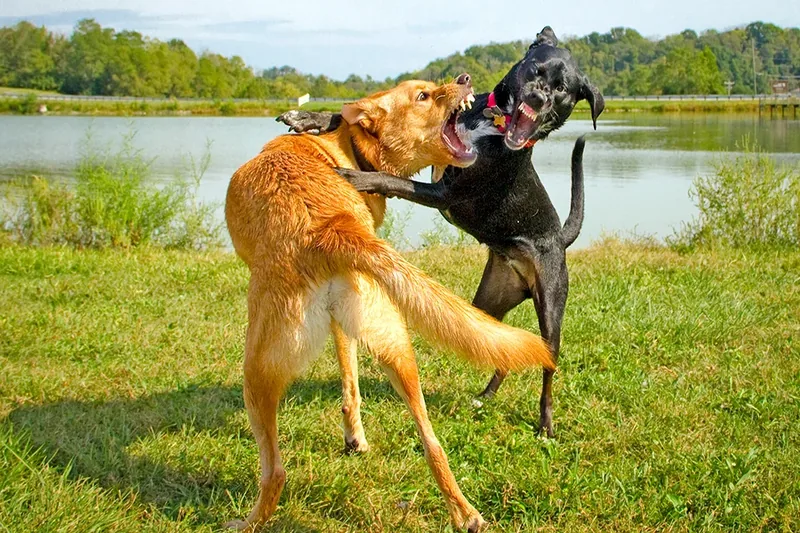
You've surely seen two dogs growling excessively at each other, or even fighting, with the dangers that involves. Even so, you might not know how to act if this happens with your dog.
A fight between dogs is fairly serious, since dogs don't bite once and end the fight — they try to finish off their opponent. Either through the injuries caused or through suffocation, biting at the neck. In a dog fight, everyone loses, even the winner.
We're going to explain clearly and directly everything you need to know about dog fights, how to prevent them, and how to act if you find yourself caught up in one. Remember, the most important thing is to stay calm and follow these steps.
- You'll also enjoy reading: What do I need to do to train my puppy?
My Dog Is Fighting With Another Dog — What Do I Do?
What usually happens in these cases is that humans lose their cool and act irresponsibly and disproportionately — this is without doubt the biggest mistake of all. As the ones responsible for the dog, we need to stay calm at all times and act cautiously, following these simple steps:
- Correct your dog to tell them to stop fighting — give them the command to stop or come to you. It may sound absurd, but well-trained dogs listen and stop biting, stop fighting.
- Use a hose with water to soak their heads — if you have a hose nearby, this is the safest way to get them to separate. Water can be far more effective as a deterrent than you'd imagine.
- Carefully, so you don't get bitten, try to separate them very carefully. Both owners need to stay alert to grab their dogs as soon as they separate.
- Talk to the other dog's owner, and together, each of you grab your dog by the back legs and lift them up. This will make the dog lose their balance and let go of their target, so we can separate them if they're biting.
- NEVER put your hands between the dogs to try to separate them, since you'll surely get bitten several times. Even your own dog could bite you by accident.
- NEVER throw yourself on your dog to protect them, forming a shield over them, since you'll likely get bitten a lot.
- Don't lose your composure — don't start shouting or crying, since you'll create far more tension and the fight will get even worse. If your dog hears you crying, shouting, or senses your nervousness, they'll think they're under attack and become more violent/defensive.
- If they get locked in a bite, grab your dog by their back legs and try to flip them over, as if trying to lay them belly-up. On losing their balance, they'll usually let go of their target and you'll be able to separate them. Have the other dog's owner do the same at the same time.
What Should Be Done After a Dog Fight?
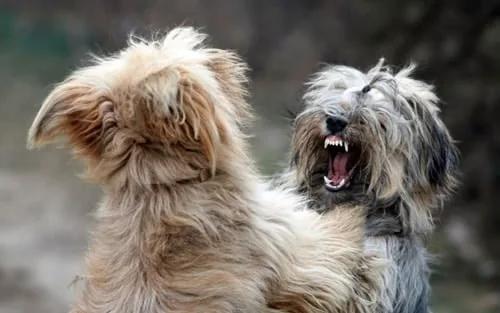
The main thing is to prevent it happening again, so we need to leash our dog and move considerably far away from the other dog, to prevent the tension continuing. If the fight was serious and we see serious injuries or a fair amount of blood… we should call the police to attend and take action, taking the details of everyone involved (we'll need this to file the relevant report).
If our dog has suffered serious injuries, we should call our vet and explain what happened. Depending on how serious the injuries are, the vet will either come to the scene of the fight to give first aid, or, on the other hand, tell us to go to the vet clinic urgently.
Us not seeing superficial injuries doesn't mean our dog or the other dog has no internal damage. Dogs have tremendous jaw strength and can cause serious harm.
If, on the other hand, it was a fight with no serious injuries, we simply need to check our dog for any damage and consult the other dog's owner to see whether they've suffered any harm. Your dog fighting another dog doesn't mean you should fight with the other human… we need to be respectful and kind — a fight is unpleasant for everyone, not just for you.
A vet visit never hurts after a fight, simply to make sure everything's fine.
Who Is Responsible in a Dog Fight?
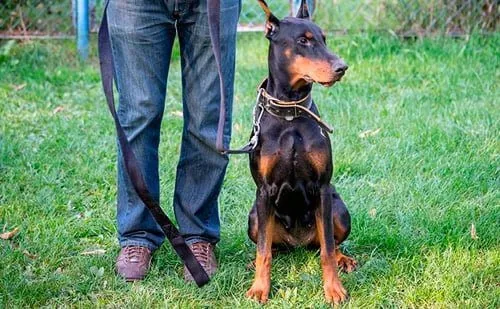
It all depends on the country where it happens and the laws in force. In Spain, dogs need to be on the lead, and dogs classed as PPP (Potentially Dangerous Breeds) must always wear a muzzle and a short lead.
If your dog is on the lead and another dog is off the lead and there's a fight, the blame always falls on the owner who let their dog off, since the law states they need to be on the lead. If both are off the lead, you both share equal responsibility/blame.
If no agreement is reached, it's best to call the police and let them decide. The correct approach is for the owner at fault for the fight to cover all the vet costs for the affected/attacked dog, and of course, their own.
If the owner at fault doesn't want to admit blame or doesn't want to cover the costs, simply call the police and file a report. Don't confront them directly — let the police do their job.
How to Prevent a Fight Between Dogs?
Everyone is responsible for their dog, and as such, responsible for their training. If our dog is properly trained and listens to us, it'll be enough to ask them to sit if we see another dog approaching that they don't get on with, or one we're suspicious of.
Keep them sitting and distract them with a stick, a toy, a dog treat or something similar. Avoid them staring intensely into each other's eyes, avoid them getting close to each other. Once the other dog has passed, you can carry on with your dog walk with no worries.
If your dog isn't very well trained and you suspect there could be a confrontation, simply change direction or step away a few metres until the other dog passes. Avoid them sniffing each other, avoid them looking into each other's eyes, and avoid them getting close.
The vast majority of dog fights happen because of their humans' carelessness, who don't know how to prevent a fight between dogs. Or they get too confident, thinking nothing will happen because their dog is very good and always listens to them.
Your dog's tail movement can also give you a clue — dogs who are tense or could end up fighting raise their tail and hold it rigid. It's an innate system they use to appear a bit bigger/taller. If your dog holds their tail like this, leash them, move them away, and distract them so they relax.
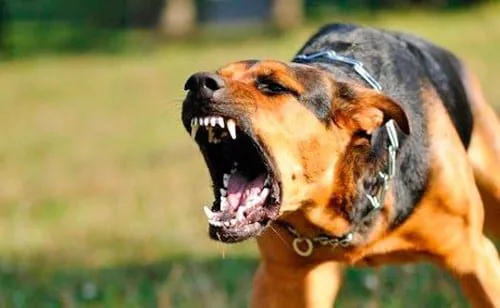
Remember size DOES matter — a small dog can provoke a much bigger one and cause a fight to happen. Small dogs, incredible as it may seem, aren't afraid of big ones, and big ones show no restraint when it comes to fighting… if you see a big difference in size along with tension, avoid a fight happening at all costs, since the small dog will come off very badly.
Common sense is our main ally when it comes to preventing fights between dogs — if our dog is aggressive, rough or very nervous, we need to be aware that this irritates plenty of other dogs. If our dog is calm, friendly and respectful… we should ask the other dog's owner before letting them meet, play and so on… to make sure there won't be any conflicts.
IMPORTANT: This article is for informational purposes only and does not constitute veterinary, nutritional or behavioural advice. Every dog is different, and only your trusted vet can advise you on its specific needs.