 Training
How to Teach a Dog to Stay Home Alone
When we bring a dog home, we tend to worry about the accessories we need to buy them or the basic care they'll need. Less often, though, are we aware of psychological or training aspects.
So we can end up facing unforeseen problems, such as difficulty getting the animal to stay home alone. In this article we'll explain how we can avoid running into this situation.
What Happens if a Dog Can't Stay Home Alone?
If our dog isn't able to be at home without us, we're facing a condition known as separation anxiety. Dogs suffering from it, even if left alone for just a few minutes, develop destructive behaviours, howling and crying, excessive drooling, or inappropriate toileting.
As you can imagine, any of these behaviours is unwanted, which is why it matters that, from the very start, we know how to tell the dog they shouldn't get stressed in our absence, whether they're a puppy or an adult. Below we explain how to do this.
The Dog's Spot at Home
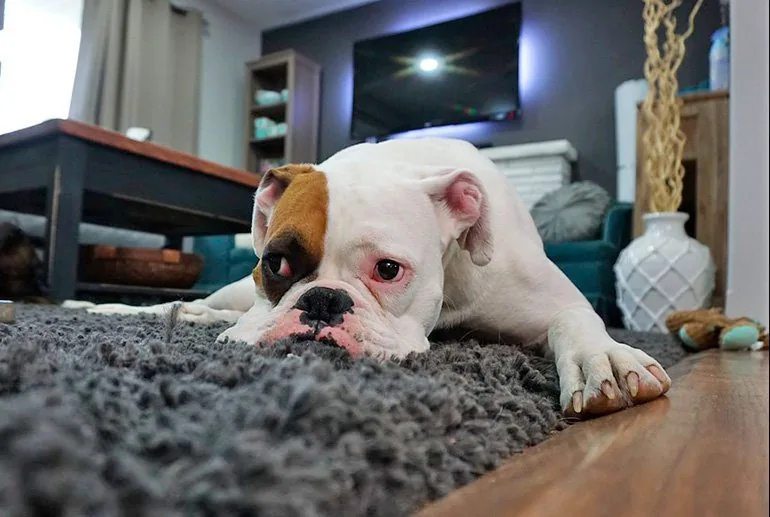
When we bring a dog into our home, we'll see that after an initial exploration, they'll look for a spot to rest. That's the moment to show them the space we've set aside for them. It's not just about offering them a bed, but placing it in an area where the animal feels safe.
In other words, marking out an area of our house, even using a carrier or a dog playpen, or setting aside a room for the newcomer, is a good way to prevent problems during our absence. This is because it's a small space the animal fully controls, which gives them peace of mind.
So, when it's time to leave them alone, they're more likely to stay calm there than if, on the other hand, we let them wander around the whole house alone, receiving stimuli both indoors and outdoors that they may not understand and that will end up making them nervous. Once they're settled, we can gradually give them access to the whole house.
Preparing the Space for the Dog
Once we've decided which spot to set aside for the newcomer, we need to make sure it's entirely safe. There can't be gaps the dog could escape through, nor cables, nor any dangerous product they could reach. We also won't leave anything that could break.
Besides their bed, it's essential we leave them enough water and, if applicable, food. We also won't forget a toy they can interact with, especially if it's a puppy or an active adult. We also need to take care of the temperature of the space.
Practising Leaving the House
The dog may get nervous when they realise we're leaving. They know because they've learned that certain actions, such as putting on shoes or grabbing a bag, are the prelude to us leaving.
We can manage this with the following guidelines:
- We'll do the typical actions that usually prepare us to leave the house, but we won't actually go. We'll repeat this exercise as many times as necessary.
- Another exercise is leaving the house but staying right by the door to come back in straight away. We'll also repeat this as many times as necessary.
- The goal is to repeat these routines until the dog stops reacting — that is, ignores what we're doing. This way we break the link they'd built where they identified certain actions with us leaving and the resulting absence.

Practising Our Absence From Home
It's not a good idea to suddenly leave a dog who's only been with us a short time alone for hours. Quite the opposite — ideally, we should get them used to staying home gradually.
A dog doesn't have the same sense of time as us, but we can still teach them to know we'll come back, with the following guidelines:
- At first we'll leave them alone for a few minutes, after having walked them or played with them so they're relaxed.
- We can stay nearby to see whether we can hear them, or, on the other hand, whether they're calm.
- When we come back, we'll greet them affectionately, without overdoing it. If they've relieved themselves or broken something, we shouldn't scold them, since once the event has passed, they won't understand why we're upset. If we're annoyed, we can call them over and praise them for coming when called.
- Once the dog stays calm for the set time only, we'll gradually increase it. It's not advisable to increase the minutes of our absence if the animal still isn't staying calm within the time frame we've set.
What if My Dog Won't Stay Home Alone?
When every strategy fails and we can't get our dog to stay calm in our absence, it's advisable to seek specialist help.
We can see a vet specialising in canine behaviour, or an ethologist. Under no circumstances should we punish the dog.
IMPORTANT: This article is for informational purposes only and does not constitute veterinary, nutritional or behavioural advice. Every dog is different, and only your trusted vet can advise you on its specific needs.