 Training
My Dog Is Afraid of Me — What Do I Do?
If your dog is afraid of you, it's possibly because you've gone overboard scolding them or you've hit them, something you should never do (it's animal abuse, a criminal offence).
Even so, it's also possible they've simply become afraid of you through a combination of factors or coincidences that confused them. Let's see what can be done to fix this problem.
How Do I Know if My Dog Is Afraid of Me?
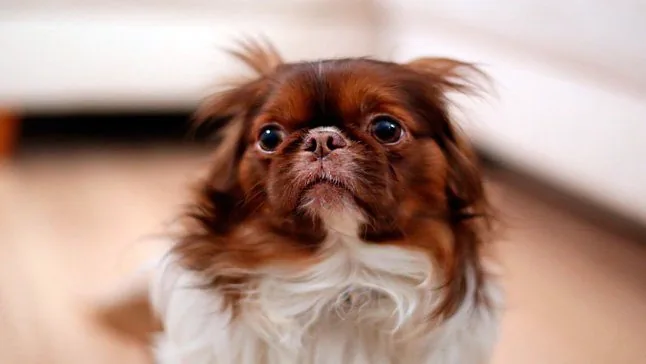
If, on smelling you, hearing you or seeing you, your dog hides, tucks their tail between their back legs, trembles or wets themselves, it's because they're afraid of you, sometimes terrified/panicked.
This most often happens when a dog has been mistreated, though there are other, less likely, factors that can also cause it.
If your dog runs away, hides or tucks their tail when you approach, don't doubt it — it's because they're afraid of you. Would you like to live in fear? Neither would they, which is why you need to fix it.
- They hide in any corner or under the bed.
- They tremble or wet themselves.
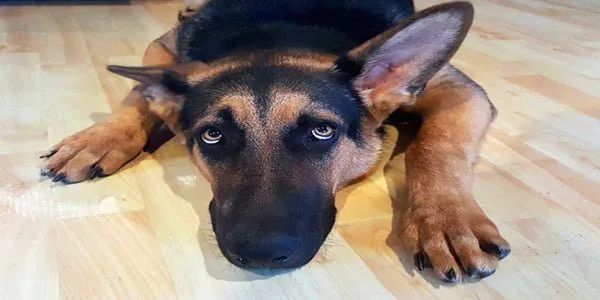
- They tuck their tail between their back legs and lay their ears back.
What to Do When a Dog Is Afraid of Us?
Let's be clear that this advice applies when the dog is our own companion, part of our family. If the dog is a stranger's, it's best not to approach — they could bite us.
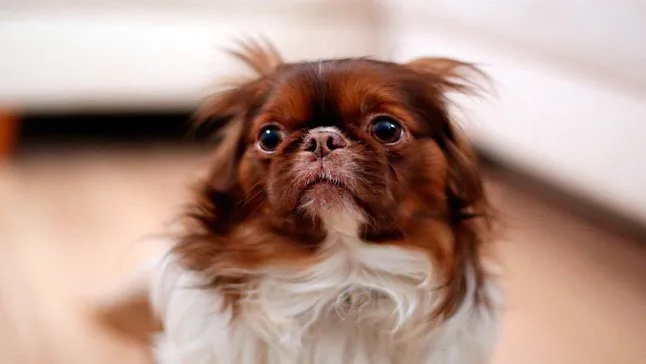
The best way to stop our dog being afraid of us is to change their memory of us from negative to positive; if we've scolded them too harshly or hit them at some point, that means never doing it again.
Taking them for walks, pampering them, giving them tasty food, letting them play with other dogs, and avoiding them seeing us angry are essential things we need to do.
As the weeks pass, that negative memory will fade while the positive one grows. We should greet them with great joy when we get home and show them we love them.
Within a few weeks, they'll have forgiven us (though they won't forget) and will greet us with great joy. Remember that at first they'll be scared to see us — never force them to come to you… that will scare them more. Instead… lure them in with food or games to build a positive connection.
Is It Necessary to See an Ethologist?
In many cases it's not just advisable but necessary to see a canine ethologist to pin down the source of the fear and start treating it. Even though we might think they're afraid of us, they may actually be afraid of something else, such as a certain noise or gesture.
An ethologist is a kind of psychologist for dogs — they'll not only help you find the source of the problem but also tell you the steps to take to fix it. If the first tips haven't worked for you, or you notice their condition getting worse, see an ethologist without hesitation.
Is It Bad for a Dog to Be Afraid?
It's not bad — it's terrible. Fear creates stress, and this in turn causes health and possibly behavioural problems. It can affect their whole body and even bring forward the date of their natural death.
Stress is a factor behind a great many physical and mental illnesses, in humans, dogs and other pets alike. So always try to avoid your dog living in fear, because a life lived in fear isn't a life.
IMPORTANT: This article is for informational purposes only and does not constitute veterinary, nutritional or behavioural advice. Every dog is different, and only your trusted vet can advise you on its specific needs.