 Care
Care
My Dog Is Losing Teeth | Causes and What to Do
Losing teeth in puppies is natural and part of their growth process. So-called "baby teeth" need to fall out to make way for the permanent ones. However, when an adult dog loses teeth, it usually points to an oral disease or old age.
Let's take a detailed look at the main reasons dogs lose teeth, and whether it's something to worry about or simply part of aging. We'll also cover the care needed for dogs missing teeth.
Why Is My Dog Losing Teeth?
Tooth loss in adult dogs is usually the result of oral injuries or infections. More specifically, most dogs that lose teeth in adulthood suffer from an infectious gum disease called "periodontal disease."
This disease generally has two stages: the first, known as "gingivitis", and the second, called "periodontitis." During the first stage, which is reversible, the infection is concentrated in the gums, causing inflammation, pain or sensitivity, and eventually bleeding.
Periodontitis, on the other hand, is considered an irreversible disease, since the infection and resulting damage have spread to the bone and muscle tissue that support the teeth. That's why, once periodontal disease reaches this advanced stage, the dog is very likely to end up losing one or more teeth.
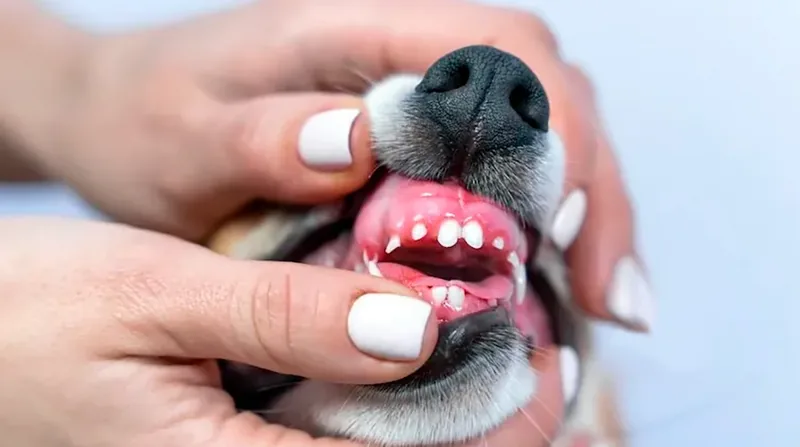
We shouldn't forget either that old age can make our dog lose teeth naturally, without this being a health problem we need to treat. They simply get old, just as humans do. And in puppies, it's completely normal to lose baby teeth to make way for permanent ones.
Why Does Periodontal Disease Occur?
Like most oral diseases in dogs, periodontitis results from the buildup of bacterial plaque on the teeth and gums. When a dog doesn't get proper dental hygiene, food debris builds up day after day between its teeth and along the gums.
This organic matter serves as food for the bacteria naturally present in our furry friend's mouth. And since they can feed easily and abundantly, these microorganisms multiply rapidly and clump together, forming the aforementioned bacterial plaque.
Contact between this plaque, saliva, tooth enamel, and the bacteria themselves triggers a reaction that results in tartar. In turn, tartar sticks to the teeth while the bacteria keep multiplying, gradually advancing below the gumline and, as a result, causing gingivitis (inflammation of the gums).
If gingivitis isn't treated at the right time and in the right way, the bacteria advance into the bone and muscle tissue that support and hold the teeth in place, causing what's known as periodontitis.
Risk Factors for Periodontitis
The main factors that increase the odds of a dog developing periodontal disease, and the resulting tooth loss, are related to diet and dental hygiene.
On one hand, a kibble-based diet encourages organic residue to build up between the teeth and gums. On the other, without proper dental hygiene, this residue accumulates easily, favoring the formation of bacterial plaque.
At veterinary clinics and pet stores such as Barakaldo Vet Shop, we can find and buy plenty of products for our dogs' dental care. From snacks that remove the layer of bacteria to dental gels, sprays, and other highly effective add-ons.
My Dog Has Lost a Tooth: What Should I Do?
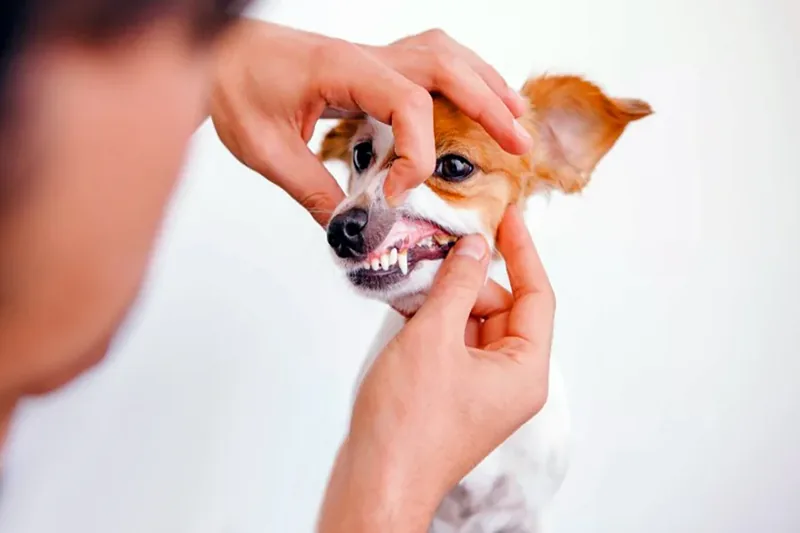
If you notice your dog is missing a tooth, we recommend checking its mouth to spot any abnormalities. It's important to look for redness or swelling in the gums, blood or pus, and other symptoms such as excessive drooling or bad breath.
If you notice any of these, don't hesitate to see a vet right away. As we saw earlier, early diagnosis of periodontal disease is key to successful treatment. Before trying any home remedy, you should seek veterinary care to understand where your dog stands with the disease and what specific steps to follow.
How to Prevent Periodontal Disease and Tooth Loss in Dogs?
Prevention is always better than treatment, which is why we're sharing key tips to prevent oral diseases in your furry friend. Take a look:
- Raw feeding: the BARF diet for dogs is a great ally for dental hygiene, since it significantly reduces the buildup of food residue in the mouth. It also brings multiple benefits for the immune system and coat.
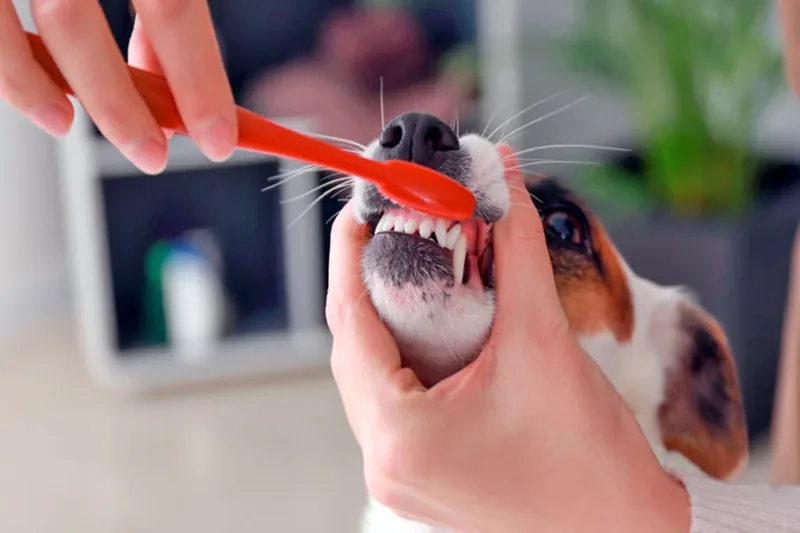
- Reinforced dental hygiene: it's essential to brush your dog's teeth every week (or daily if your furry friend already has some kind of oral disease). Remember to use a brush suited to its size/mouth shape, and products specifically made for dogs' dental hygiene. You can also make this homemade toothpaste with natural, very accessible ingredients.
- Prevent your dog from chewing on rocks or other hard objects: although less common, a dog can lose a tooth as a result of trauma or the "habit" of chewing on foreign objects or hard items, like rocks.
- Preventive medicine: checking your dog's mouth periodically is a highly recommended practice for catching any sign of oral disease early. We also recommend at least one (ideally two) vet visits every year.
IMPORTANT: This article is for informational purposes only and does not constitute veterinary, nutritional or behavioural advice. Every dog is different, and only your trusted vet can advise you on its specific needs.