 Care
Care
Natural Remedies for Getting Rid of Fleas on Dogs
Fleas are one of the main parasites affecting our beloved dogs, and they're also quite harmful to their health, and even to ours. They breed extremely easily, and within a few days can turn into a full infestation on the dog and in our home.
Getting rid of them as soon as we spot them is essential, so if you're wondering what the best home remedies against fleas are, here's a list of the most effective ones. They're also very easy to make. Let's take a look!
How do you know if a dog has fleas?
Although these are small parasites, measuring between 1.5 and 3 millimeters, spotting them is actually quite simple. We can find them with the naked eye after checking our dog, or notice them through the symptoms dogs with fleas usually show:
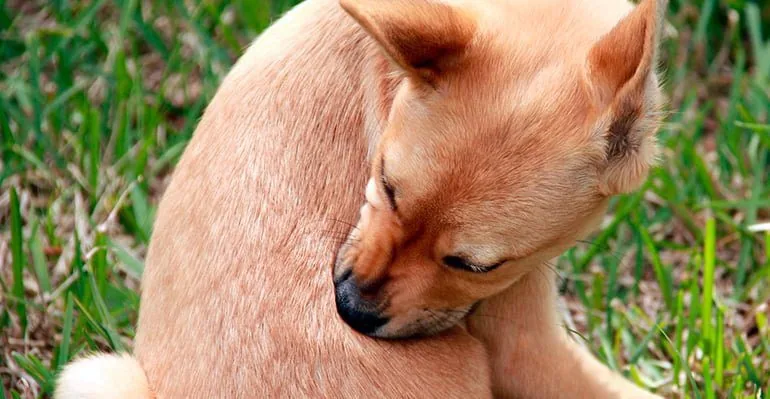
- The dog scratches a lot from the itching.
- They nibble at themselves trying to scratch or catch the flea.
- Redness appears on parts of their skin.
- An allergic reaction to the bite (FAD) can occur.
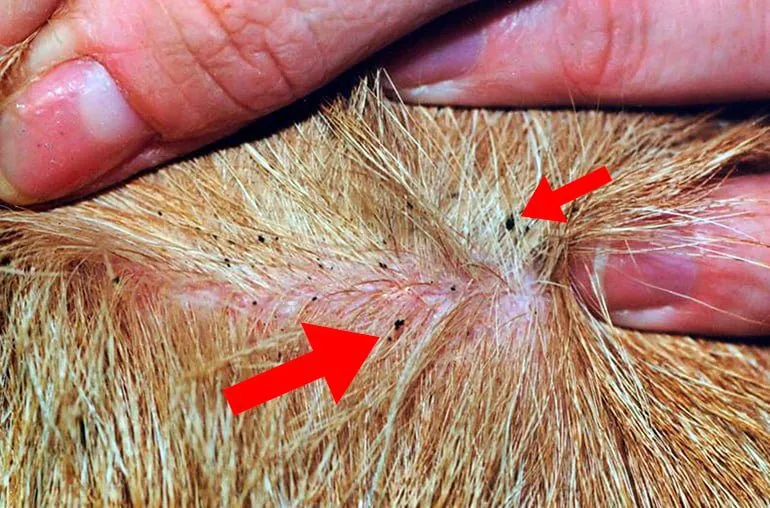
Spotting them with the naked eye is also quite simple on our end. We just need to part our dog's fur with our hands around the neck, back, and groin until we can see the skin.
Fleas are tiny parasites that don't sit still, so if we see "little bugs" scurrying around, we'll know they're fleas. Also, their droppings are black — if we see black specks on our dog's skin, they have fleas (these black specks are sometimes mistaken for dandruff).
How to get rid of fleas naturally?
There are many chemical products designed to deworm and protect our dogs against fleas. But what if we don't have access to them? What if we'd rather not use harsh chemicals?
Luckily, nature is wise and offers us many natural remedies to fight fleas. These natural remedies are also suitable for puppies, who are very prone to these annoying, dangerous parasites. Let's look at our options.
Homemade lemon flea remedy
Citrus fruits like oranges, limes, or lemons have a very strong scent that naturally repels fleas. So we'll use their essence to get rid of them. Remember that this strong scent is also quite bothersome for dogs, so we shouldn't overdo it.
We have two options for using citrus as a repellent. We can take a bit of lemon peel and rub it through our dog's fur (avoiding the eye area). It's an excellent home remedy against fleas, since it will keep them away.
We can also make a lemon infusion, soaking a liter of water with the peel and juice of a lemon for a couple of days. Then we'll use that water to spray the areas where the dog spends time, their bed, the sofa, the room in the house where they spend the most time, and so on.
Vinegar-based home remedy
The smell of apple cider vinegar isn't pleasant for dogs either, but it's super effective at getting rid of fleas. It's completely natural and very easy to use — we'll make a fifty-fifty mix to use after bathtime.
In a container, we'll put one glass of water and one of apple cider vinegar and mix them. Then we'll bathe our dog with soap, and once we rinse the soap off, we'll pour the water-vinegar mix over their body, rubbing it in well and letting it sit for at least five minutes.
It's important to be careful not to get any in their eyes, since it could irritate them. After five minutes, we'll rinse our dog with water to remove any vinegar residue left on their body.
Natural essential oils against fleas
This time we won't be rubbing anything's peel on our dog, nor do we need to bathe them. Instead, we'll make a completely natural homemade flea spot-on treatment, with no chemical products.
For this we'll need a bit of any of the following essential oils:
- Neem oil
- Neem oil (margosa)
- Eucalyptus oil
- Peppermint oil
We'll use a couple of drops of each oil (or whichever ones we have on hand) and mix them well — we can use a bit of water to mix them better if needed. Then we'll put ten or fifteen drops of the mixture onto a bandana, which we'll tie around our dog's neck (loosely — we just want the scent of the oils to stick to the dog).
This way, fleas will stay away from our dog, since these plants are natural repellents.
Brewer's yeast as a home remedy against fleas
Brewer's yeast is an excellent homemade repellent for getting rid of fleas — we can also use it in their food or as a rub for their fur. If we go with the food route, we simply add a bit to our dog's daily food ration.
If we go with the rub, we should soak brewer's yeast in water and then rub the resulting liquid into our dog's fur. The scent the dog gives off from eating the yeast, or from having the mixture rubbed into their fur, will keep fleas away.
Home remedy for getting rid of fleas on puppies
Although the remedies mentioned above are very effective for getting rid of fleas on our dogs, if we have a puppy we should use something gentler, since they're very sensitive. This chamomile-based formula works as a homemade flea remedy for puppies.
Chamomile has many uses for dogs, but this time we'll focus on fleas. We'll make a chamomile infusion and let it cool, so we don't burn our little puppy.
Then we'll bathe our puppy with the chamomile infusion and let it sit for five minutes, being careful not to get any in their eyes. Afterward, we'll rinse our dog with water and dry them off.
How to get rid of fleas at home?
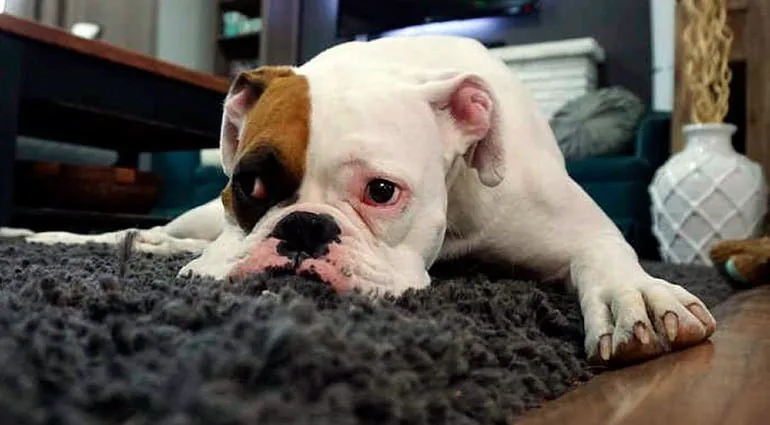
A single flea can lay up to eighty eggs in a single day. They also hide perfectly in any crack in the floor, in wood, in furniture... in our sofa, bed, blankets... That's why it's very important to keep them from settling into our home, since they could cause a huge infestation.
There are many home remedies for getting rid of fleas in our house, which we've gathered here:
With the help of a bit of cedar bark, lemon, and neem, you can keep your home safe from these annoying parasites.
Precautions to keep in mind
Not every dog is the same, and some may show some sensitivity to the home flea remedies mentioned. If we notice our dog showing any unusual symptom or reaction, we should immediately stop the home remedy and check with our trusted vet.
So, just as a precaution, it's worth keeping an eye on our dog after applying any of the remedies described above.
IMPORTANT: This article is for informational purposes only and does not constitute veterinary, nutritional or behavioural advice. Every dog is different, and only your trusted vet can advise you on its specific needs.