 Care
Care
Obesity in Dogs
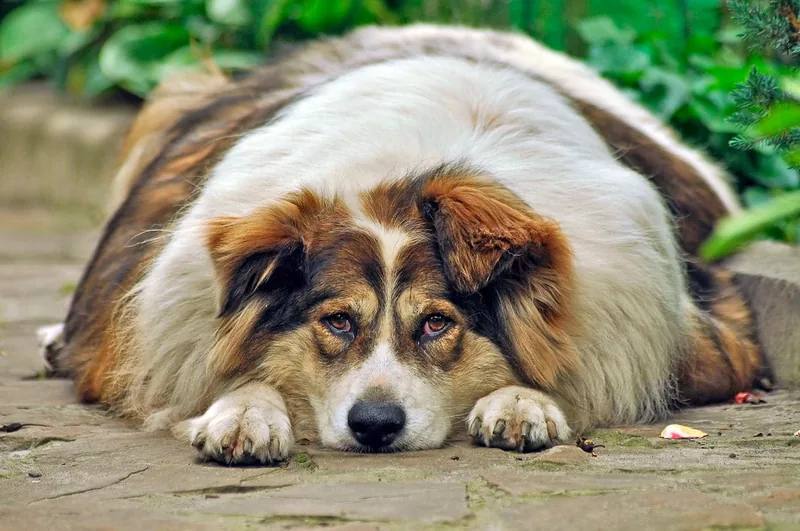
Nowadays, more and more people are aware of how their diet and physical activity affect their health. It's essential to bring this same mindset into our furry friends' lives too, since a sedentary lifestyle and poor eating habits take a toll on them as well.
In fact, obesity is a growing problem. Because of this, the World Health Organization (WHO) has defined this disease as the first non-infectious pandemic of the 21st century.
Let's learn how to tell whether our dog is at its ideal weight or, on the contrary, overweight, how to assess the situation and identify the root of the problem, and, of course, tips to fix it.
How to Detect Obesity in a Dog
Nowadays, obesity is the most common nutritional disorder among pet dogs. It's estimated that in developed countries, between 17-44% of dogs are overweight or obese. To prevent this, you need to learn to spot the first signs of obesity and address them as soon as possible.
How do you do that? The first step is finding out what your dog's ideal weight should be based on its breed and other characteristics such as age or size. Once you have this figure clear, check how much your furry friend weighs. Obesity is defined as body weight exceeding the appropriate size for its breed, sex, and age by at least 20%.
If we exceed or come close to this percentage, we need to put the brakes on. In that case, it's no longer valid to say "the dog is just sturdy" or "it's only a few extra pounds." The reality is this is a serious disease that increases illness rates and drastically lowers both quality and length of life, so it's no joke. The good news is that, even in extreme cases, it has a solution if it's detected and the right measures are taken.
Causes That Lead to Obesity
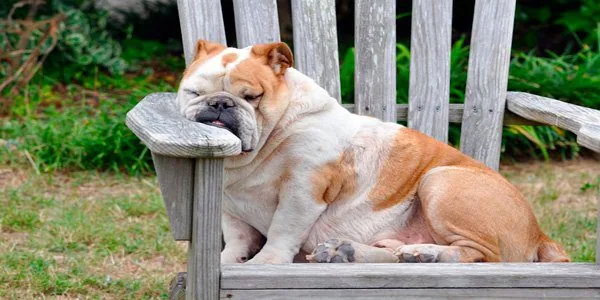
Obesity results from an imbalance between increased intake and decreased energy expenditure. It's a chronic, multifactorial disease, in whose development both genetic and environmental factors are involved:
- The dog's age. A puppy is growing and, because of this, needs a higher calorie intake than an adult. So, we can't feed them the same way.
- Metabolic imbalances or diseases. Certain conditions and food-related disorders can also be behind canine obesity.
- A sedentary lifestyle. A lack of daily exercise makes the dog accumulate more calories than it needs. Going out for walks and encouraging it to exercise is essential.
- Anxiety. This can also be an important factor, since it makes the dog eat more and faster, gulping down its food.
- The animal's sex and reproductive status — obesity tends to affect females more than males, becoming more frequent in spayed/neutered animals.
- Certain breeds have more tendency to gain weight: Labrador, Cocker Spaniel, Dachshund, and Basset Hound, among others.
How Does Obesity Affect a Dog's Health?
Obesity has serious consequences, and not just health-wise, which we'll cover below, but also financially, since it's been determined that the average vet cost for an obese dog is almost 20% higher than for dogs of normal weight.
Health-wise, it favors the appearance of numerous problems and diseases, on one hand due to mechanical stress, which increases the incidence of orthopedic conditions, along with an increase in cranial cruciate ligament rupture and cardiovascular disturbances.
On the other hand, it also comes with metabolic changes — excess fat is linked to increased secretion of inflammatory adipokines, leading to insulin resistance and type 2 diabetes mellitus. Tendencies toward hypothyroidism, the appearance of kidney, pancreatic, liver, and respiratory problems. In addition, it's involved in the development of more and more types of cancer, exercise intolerance, high temperatures, and problems with anesthetics.
What to Do If You Think Your Dog Is Overweight?
If you think your furry friend has an obesity problem, the first step is to see the vet so they can examine it properly, weigh it, and see what might be causing this disorder. The specialist will look for any occasional or underlying causes of this weight gain and give us guidelines so our canine friend gets a proper diet and a healthier lifestyle.
Once the dog reaches its ideal weight, it's important to keep up veterinary guidance, so it doesn't regain the weight it lost. Yes, they're not immune to the well-known rebound effect either.
Tips to Prevent or Reduce Obesity
Keep in mind that canine obesity is directly related to inappropriate habits, which we're responsible for.
It's not about blaming ourselves, but it is necessary to become aware of what's happening and correct bad routines. Some behaviors you should avoid are:
- Avoid ad libitum feeding — letting it eat as much as it wants, without controlling how fast or how much it eats.
- Giving it food unsuited to its breed, size, or age.
- Adding your food leftovers to its diet.
- Giving it its concentrated food in a single meal instead of spreading it across three or four throughout the day.
Falling into these mistakes is very common, and if they continue over time, they can lead to canine obesity. Besides changing how you feed your furry friend, we also recommend increasing its physical activity through games or exercise.
IMPORTANT: This article is for informational purposes only and does not constitute veterinary, nutritional or behavioural advice. Every dog is different, and only your trusted vet can advise you on its specific needs.