 Care
Care
Canine Pharyngitis: Symptoms and Treatment
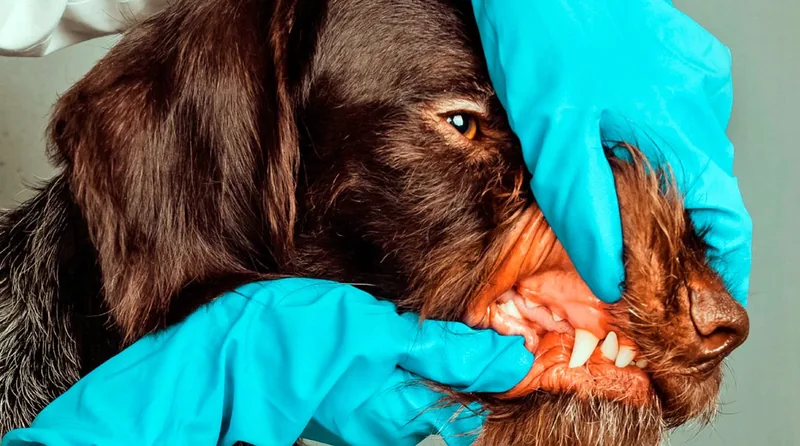
In our furry companions' pharynx, where the nasal passages and the back of the mouth meet, various conditions can appear. One of the most common is canine pharyngitis, which occurs when the mucosa lining this part of the throat becomes inflamed.
It's true this isn't a serious problem, but that doesn't mean we shouldn't pay attention to it. If not treated properly, it can become complicated, so it's recommended to see the vet as soon as the first symptoms appear.
Not sure if your dog has pharyngitis? Wondering what causes this condition and its symptoms? In this Soyunperro article, we'll cover all these questions and more. Let's get started!
What Causes Pharyngitis in Dogs?
There are actually several causes of pharyngitis in dogs. Among the main ones:
- Oral infections, from a wound.
- Sinus or respiratory tract infections.
- Obstructive masses and foreign bodies.
- Systemic diseases such as distemper or canine parvovirosis.
Most often, pharyngitis has a viral origin, from a sudden temperature change or exposure to a strong draft.
Main Symptoms of Canine Pharyngitis
The most characteristic symptoms of pharyngitis are related to the inflammation in the affected area and are similar to other throat conditions. The main ones are:
- Frequent, dry coughing.
- Sneezing.
- Hoarse barking.
- Pain when swallowing.
- Nausea or vomiting after a coughing episode.
- Loss of appetite.
- Excessive drooling.
- Ulcers may appear in the pharynx.
- Fever.
- Listlessness or fatigue in the dog.
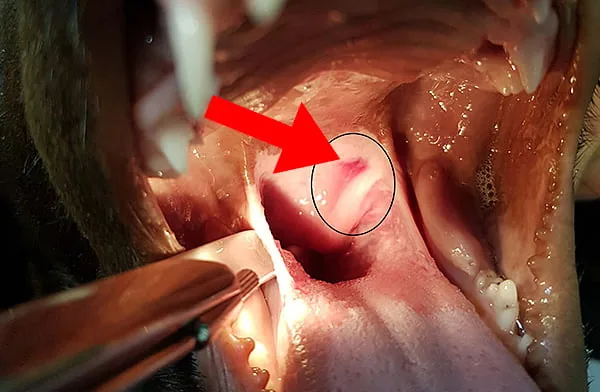
In addition, when looking at the back of the throat, it may appear red, with swollen or pus-covered tonsils. If several of these symptoms are noticed at once, as mentioned, it's best to see the vet so they can examine the dog and give a diagnosis.
How Is Pharyngitis Treated in Dogs?
Depending on the cause of the canine pharyngitis, the specialist will recommend whatever treatment they consider most appropriate. Generally, antibiotics are usually prescribed to treat the infection, and sometimes anti-inflammatory and cough-suppressant medications for the dry cough too, along with pain management drugs.
If there are underlying causes, such as foreign bodies or obstructive masses, or possibly exposure to cold drafts, these should also be addressed, or the owner should be advised at home not to expose the dog to these conditions, to achieve a faster, more effective recovery.
Either way, it's very important to follow a professional's instructions and not medicate the dog on your own. What you can do is help it recover by following some basic recommendations and care.
One of them has to do with diet. So the dog can swallow food more easily and with less pain, it's preferable to give it wet food instead of kibble. This type of food comes in several formats: from cans to pâté tubs or pouches with bits of meat in sauce.
For those who prefer to stick with kibble, it's a good idea to soak it beforehand in a bit of warm water or broth to soften it. If you choose homemade dog food, try to make it a puree or mash.
Another irritant for your pet is exposure to cigarette smoke. If it has pharyngitis, try to smoke as far away as possible from your furry friend. It's also important for the dog to stay warm and dry, so you should avoid walks on days with bad weather.
At least until it's fully recovered. If it gets wet, make sure to dry it well. With the treatment and extra care we've described, your furry friend should feel better soon.
Prognosis for Canine Pharyngitis
The prognosis is favorable, especially for primary acute pharyngitis, where the sources of local trauma or irritants have been removed.
In the case of nasopharyngeal foreign bodies, the prognosis can vary depending on how the foreign body can be removed non-traumatically and how complications from pharyngeal perforation are managed.
How Can We Prevent Pharyngitis?
The best remedy for canine pharyngitis is prevention. Just as with humans, drafts or sudden temperature changes during the winter season are risk factors for pharyngitis in dogs.
That's why it's important to make sure it's sufficiently sheltered and has a warm, dry place to sleep, since if it's left out in the elements, it's much more likely to get sick.
Avoid giving it very cold liquids and keep it from getting wet. If it goes out for a walk on especially cold, rainy, or snowy days, you can bundle it up with a dog sweater or raincoat. This way, it will retain heat better and stay drier.
When you get home, make sure its fur isn't damp, and if it is, dry it as soon as possible. Finally, try to avoid certain behaviors in your dog, such as sticking its head out of a moving car's window. This isn't just dangerous for it and others — it also exposes it more to canine pharyngitis.
So now you know — good prevention is key to avoiding bigger problems. And if any symptom appears, don't let it slide. It's better to take your furry friend to the vet and have it turn out to be nothing, than to wait and end up with complications that make its recovery harder.
IMPORTANT: This article is for informational purposes only and does not constitute veterinary, nutritional or behavioural advice. Every dog is different, and only your trusted vet can advise you on its specific needs.