 Care
Care
Syringomyelia in Dogs
Syringomyelia is a rare neurological disease that can affect very popular breeds commonly found in homes, such as brachycephalic dogs.
This is a very painful condition, which is why we'll learn to identify its symptoms so we can see the vet as soon as possible. Syringomyelia usually needs surgery to recover — let's look at all the details.
What Is Syringomyelia?
The condition known as syringomyelia occurs due to any disorder affecting the spinal cord, such as malformations, trauma, tumors, or narrowing. These situations disrupt the normal flow of cerebrospinal fluid, which surrounds the brain and spinal cord.
This picture allows pockets of this fluid to build up in cavities along the spine, which can press on different nerves. It's a hereditary disease. It can be classified between hydromyelia and syringomyelia, though in clinical practice it's hard to tell them apart, which is why the term syringohydromyelia is used.
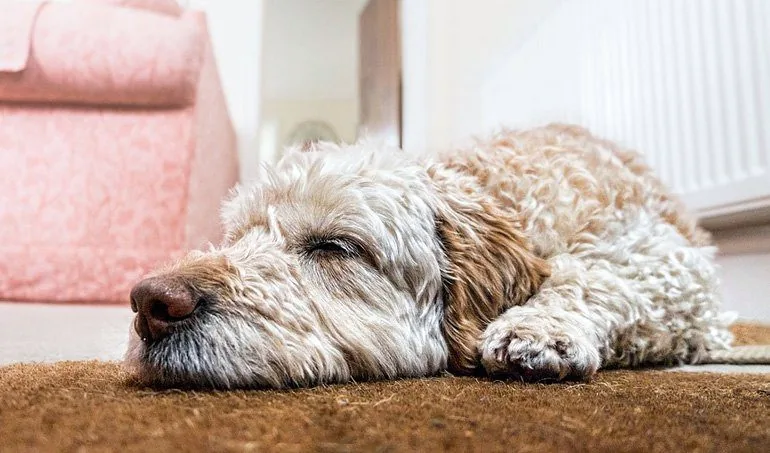
Symptoms of Syringomyelia in Dogs
Syringomyelia can cause our dog some very specific symptoms, which we should know how to recognize if this is the case. They appear from pressure caused by the fluid-filled cavities and vary depending on their location.
These stand out:
- Pain, the main symptom of syringomyelia. It's mostly located in the neck area, but the dog may whimper without us finding a specific source of pain. It can be intermittent.
- Lack of coordination.
- Weakness in the front legs.
- Itching in certain areas, resulting from abnormal nerve sensations. Because of this, the dog may scratch and lick that area insistently, usually the flank.
- Abnormal head position, seen as a head tilt or scoliosis.
All symptoms can worsen at night, in environments with extreme temperatures, when adopting certain postures, or when the animal gets excited.
If we notice any of these symptoms, we should check with the vet, since there are other conditions with a similar presentation, so this professional will need to handle the differential diagnosis.
How Is Syringomyelia Diagnosed in a Dog?
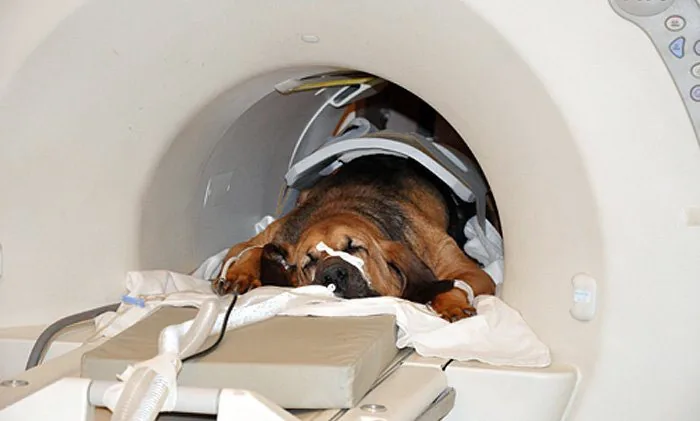
Since syringomyelia is a rare disease, the vet usually starts with basic tests, such as an X-ray, to rule out several conditions one by one. In the end, confirming that a dog has syringomyelia is reached through an MRI scan.
This test can show where along the spinal cord the cerebrospinal fluid pockets are located, as well as detect tumors, hernias, fractures, etc. The main downside of this test is that it's performed at specialized veterinary centers, so it isn't always accessible to every owner.
It's worth adding here that, thanks to increasingly better diagnostic techniques nowadays, it's possible to detect cases of syringomyelia that a few years ago would have gone unnoticed. Because of this, the disease may become more common in the future, not because its incidence is rising, but because it will be detected more often.
Which Dog Breeds Are More Prone to Syringomyelia?
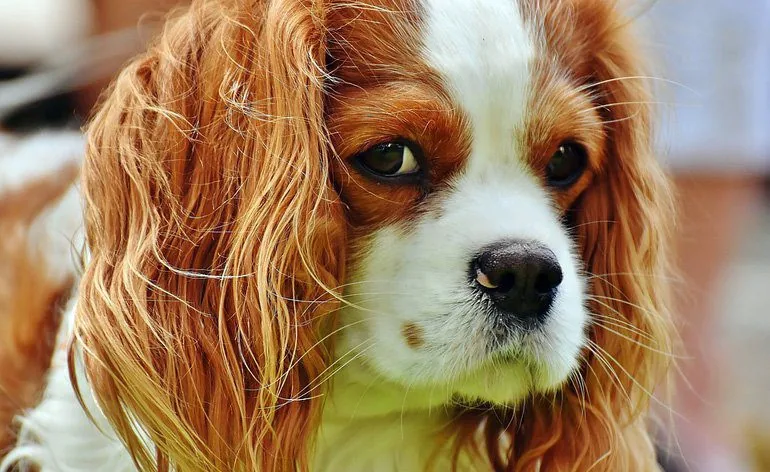
Syringomyelia is a disease that can affect any dog, regardless of age or sex, but breeds belonging to brachycephalic groups are considered to be at higher risk. The Cavalier King Charles Spaniel also seems to be predisposed.
In this breed, what are known as Chiari-like malformations have been described, affecting the spinal cord and causing syringomyelia. In them, a familial or genetic basis for this disease is considered likely. Symptoms appear acutely or chronically between roughly 6 months and 3 years of age.
Treatment for Syringomyelia
Treatment will depend on what triggered the syringomyelia. In some cases, medication will be prescribed, such as diuretics or anti-inflammatories. In others, surgery will be the recommended treatment for this condition, though we should know it won't always be successful, since there can be improvement but not a full cure.
It also carries the downside of its cost and the specialization required, since it's not an operation any vet can perform. Specific training and experience are needed. As with treatment, the prognosis depends on the cause and severity of the clinical picture.
Recommended Care for a Dog With Syringomyelia
Besides following the treatment prescribed by the vet and post-surgical recovery measures, if surgery was performed, we can keep some recommendations in mind for daily care at home. This will improve the dog's quality of life.
Basically, we'll focus on avoiding wide movements of the spine. For example, we can place the food and water bowls at an elevated spot, so the dog doesn't need to lower its head all the way to the ground.
Avoid games involving abrupt movements, such as catching a ball in the air, jumping, etc.
Bibliography Olby NJ. Tetraparesia en Manual de Neurología en Pequeños Animales. Ediciones S 2008.
IMPORTANT: This article is for informational purposes only and does not constitute veterinary, nutritional or behavioural advice. Every dog is different, and only your trusted vet can advise you on its specific needs.