 Breeds
Chihuahua
Small on the outside, giant on the inside. Its size doesn't stop it from having a bold character, surprising energy, and unconditional loyalty. The Chihuahua can also live between 15 and 18 years, easily beating the average for other breeds. Want to know more about this fascinating breed?
- You might also like: Complete Guide to the Frenchie
Chihuahua Quick Facts
-
Size and weight: the FCI sets weight between 1 and 3 kg (ideally 1.5-2.5 kg). Height is not assessed as an official criterion.
-
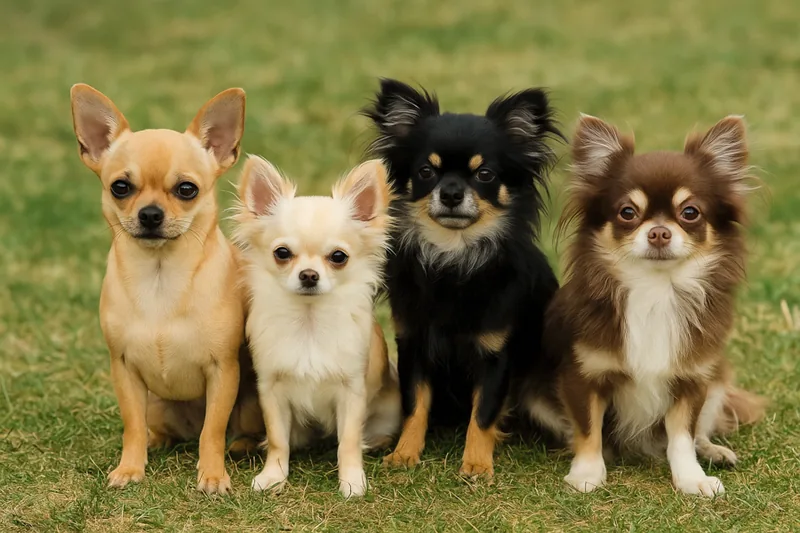
Coat varieties: short coat (smooth and close-lying) and long coat (fine/silky, with fringing).
-
Colors: all colors and combinations except merle.
-
Origin: Mexico; likely descended from the pre-Columbian Techichi.
-
Useful links: FCI Standard No. 218 (Chihuahueño) and AKC — Chihuahua.
Size, Weight, and Proportions
The standard prioritizes weight (1-3 kg) and compact proportions (an almost square body in males). Height is not a judging criterion, so you'll see plenty of variation between lines.
Practical tip: in healthy adults, you should see a defined waist and be able to feel the ribs without them being overly visible. If that's not the case, review portions and exercise.
Origin and Official Recognition
The Chihuahueño (its official Spanish name) takes its name from the State of Chihuahua (Mexico). Archaeological documents and Mesoamerican figurines suggest a link to the Techichi, a companion dog of the Toltec and Mayan cultures.
The Fédération Cynologique Internationale (FCI) recognizes a single breed, with two coat varieties (short coat and long coat). There is no official division by size (toy, mini, or pocket) and the merle color is excluded from the standard for health reasons.
Recognized Chihuahua Types (and the Unrecognized Ones)
Official Varieties
-
Short-coat Chihuahua: close-lying coat, shorter on the face and ears; easy to maintain, but sensitive to cold.
-
Long-coat Chihuahua: fine/silky coat with feathering on the ears, tail, and legs; needs regular brushing.
"Apple Head" and "Deer Head"
These are popular descriptors for head shape, not official types.
-
Apple head: rounded skull with a well-defined stop (a typical trait of the breed under the FCI standard).
-
Deer head: a more elongated head with a less domed forehead (not an official category).
What About the "Toy," "Mini," or "Pocket" Chihuahua?
These don't exist in the FCI standard or in the major kennel clubs. They usually refer to breeding for extra-small size, which can raise health risks (hypoglycemia, bone fragility, dental problems). If you're looking for a companion Chihuahua, prioritize health and breed type over "ultra mini" size.

What Is the Chihuahua's Temperament Like?
Lively, alert, and surprisingly bold. It tends to form a very strong bond with its family and, if not managed well, can become possessive or barky. It's not "difficult" by nature: what you'll see is the result of socialization, emotional management, and routines.
-
Temperament: alert, affectionate, with a tendency to bark as a warning.
-
Sensitivity: high; it's affected by sudden changes and rough handling.
-
Intelligence: quick to learn, but can be stubborn if it senses inconsistent rules.
Living With Children and Other Pets
It can get along wonderfully, but requires supervision and training:
-
With young children: teach them to pet gently, and not pick the dog up or bother it while it's resting or eating.
-
With large dogs: manage controlled introductions; the Chihuahua isn't aware of its own size and can get itself into trouble out of sheer boldness.
-
With cats: they usually get along well if raised together and given room to retreat when needed.
Recommended Care for the Breed
Diet and Healthy Weight
Fast metabolism, small stomach. Split its daily ration into 2-3 meals and adjust calories to its actual activity level. Avoid sugar spikes from high-calorie treats. If you want portion guidance by weight and age, here's a practical guide: How Much Should a Chihuahua Eat?
Dental Hygiene and Grooming
Tartar is a classic issue in small breeds. Get your dog used to tooth brushing from puppyhood and offer safe chew toys.
For the coat:
-
Short coat: weekly brushing with a grooming glove or soft brush.
-
Long coat: 2-3 times a week to prevent tangles, especially around the ears and skirt.
Thermoregulation and Climate
With little subcutaneous fat, the Chihuahua loses body heat easily. In winter, take short walks and use a coat if it's shivering; in summer, avoid the hottest hours of the day and make sure it stays well hydrated.
Exercise and Enrichment
It doesn't need marathons, but it does need daily activity: 2-3 short walks plus indoor games and scent-based puzzles. A Chihuahua without mental stimulation tends to bark more and handle frustration worse.
Chihuahua Health: Common Problems
Choosing responsible breeders and scheduling regular vet check-ups reduces risk. Points worth watching:
- Teeth and gums: Tartar buildup, retained baby teeth, and misaligned bites. Early hygiene and check-ups are key.
- Patellar luxation: Common in small breeds. Avoid jumps off the sofa or bed and keep its weight in check.
- Tracheal collapse:Use a harness instead of a collar and avoid pulling on the lead. Watch out for excess weight.
- Hypoglycemia (puppies): Feed small, frequent meals and don't let it go too long without food.
- Fontanelle ("molera") and skull: The standard disqualifies an open fontanelle in adults. If you notice a persistent soft spot, mention it to your vet.
- Eyes and skin: Irritation, tearing, and dermatitis in skin folds. Keep up gentle hygiene and check the eyelashes and tear ducts.
Training and Socialization Tips
Start Early, Keep It Short, Use Positive Reinforcement
Sessions of 3-5 minutes, several times a day. High-value treats (very small ones) and markers ("yes," clicker). Avoid shouting or punishment: they create fear and barking.
Managing Barking
Identify triggers (noises, visitors, the doorbell). Work on desensitization plus counter-conditioning: controlled exposure to the trigger, paired with a reward for looking at you quietly.
Preventing Over-Attachment
Predictable routines, calm time, environmental enrichment, and practicing "go to your spot." Avoid carrying it everywhere in your arms: it reduces its independence and increases anxiety.
Safe Socialization
Before its vaccination schedule is complete (check with your vet), socialize it in a controlled way: household and city sounds, different surfaces, people of different appearances, and well-balanced dogs in clean spaces.
Chihuahua Myths and Facts
-
"It doesn't need exercise" → False. It needs daily movement and mental stimulation.
-
"It barks because it's nervous" → It usually barks from lack of guidance, boredom, or past learning.
-
"It's inherently fragile" → With good handling and a healthy weight, it's a sturdy dog for its size.
-
"Toy ones are more valuable" → They don't officially exist. Prioritize health, temperament, and responsible breeding.
IMPORTANT: This article is for informational purposes only and does not constitute veterinary, nutritional or behavioural advice. Every dog is different, and only your trusted vet can advise you on its specific needs.