 Care
Care
What to Do If My Dog Eats Dirt?
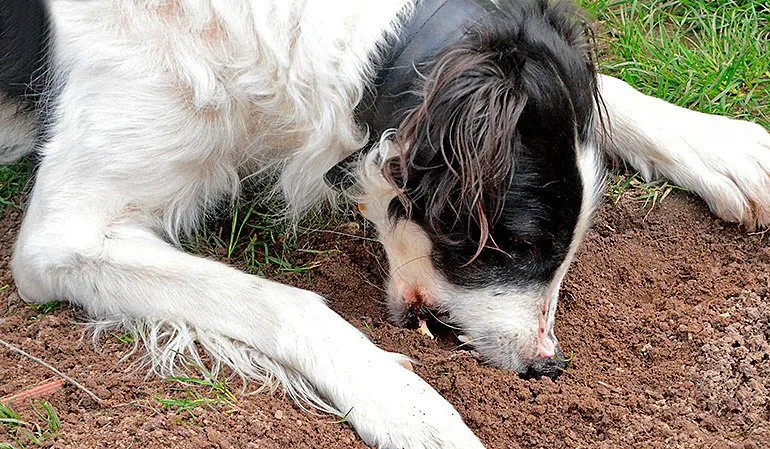
Dogs are gluttons by nature — nothing escapes their attention. One of those cravings can be eating dirt from plant pots or sand from the yard. The reasons dogs eat dirt can vary widely, from boredom to serious illnesses.
If you want to find out whether your dog is eating dirt just because it found a delicious treat buried underneath it, or because of some problem that needs veterinary attention, keep reading this SoyunPerro article to find out and fix it.
Reasons a Dog Eats Dirt
If you've caught your pup eating dirt, it's probably because it suffers from "pica," a disorder in which it eats things that aren't its normal food, such as dirt, grass, or even feces. However, the causes behind this vary:
- Mineral or vitamin deficiency in its regular diet
- Poisoning/Intoxication
- Parasite infestation
- Seeking relief from stomach discomfort
- Boredom and stress
- Seeking attention
- Hunger
- Anemia
- Endocrine disorders
- Interest in something buried in the sand
- Curiosity (mainly in puppies)
If you've recently changed its kibble, environment, or routine, or if you have more dogs and all of them show the same behavior, it's possible they have a mineral deficiency in their diet; or if you've reduced its kibble portion due to being overweight, it's probably hunger.
On the other hand, if the dirt-eating is excessive or it shows any other symptom, your dog may have suffered poisoning or have intestinal problems. Occasional dirt-eating, especially when it's alone, may be due to boredom or hunger.
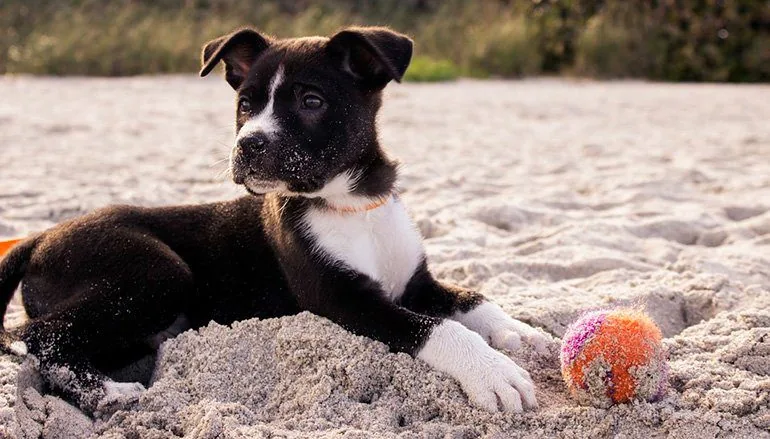
What Do I Do If My Dog Ate Sand or Dirt?
If your dog ate sand, watch for other symptoms such as diarrhea or bloody stools, lethargy, vomiting, bruising, etc. In these cases, eating dirt is a consequence of a bigger stomach problem, so getting to the vet in time can save its life.
Eating dirt can come along with solid materials, sharp objects, or chemical substances such as fertilizers or pesticides that can harm your dog's health. That's why, regardless of the reason your dog ate dirt, it deserves a vet checkup.
Either way, if you don't notice any change in mood or symptoms in your dog a few hours after the one-off dirt-eating experience, you can relax — it will most likely pass the dirt in its next bowel movement without any further issue.
Steps to Stop Your Dog Eating Sand
After talking with your vet and finding out the cause, the professional will suggest several steps to follow to stop your dog from continuing to eat dirt. However, you can also follow these additional ideas to prevent this behavior:
- Make sure the kibble you give your dog has a high mineral content, such as calcium and iron. Otherwise, switch to a quality, nutritious kibble.
- If you've reduced your dog's food amount due to being overweight, opt for low-calorie kibble instead of a small portion.
- Deworm your dog to keep roundworms, worms, and whipworms from absorbing the nutrients essential to its wellbeing, known as intestinal parasites.
- Pay more attention to your friend. Entertain it with new toys or longer walks. A tired dog will be less prone to eating sand.
- Watch it while it's in the yard and, if possible, place plant pots out of its reach.
- Otherwise, keep it away from the area with that pot or sandy spot it finds so tempting, and/or reward it when it moves away on its own after you call its attention.
- Never scold your dog aggressively or hit it for any inappropriate behavior. You'll only cause it trauma!
Just as your dog has taken an interest in eating dirt, it may also become interested in trying feces, grass, stones, or sticks. The causes of these behaviors are quite similar, and so are the steps you can take to prevent them.
IMPORTANT: This article is for informational purposes only and does not constitute veterinary, nutritional or behavioural advice. Every dog is different, and only your trusted vet can advise you on its specific needs.