 Care
Care
When Is It Too Cold for Your Dog?
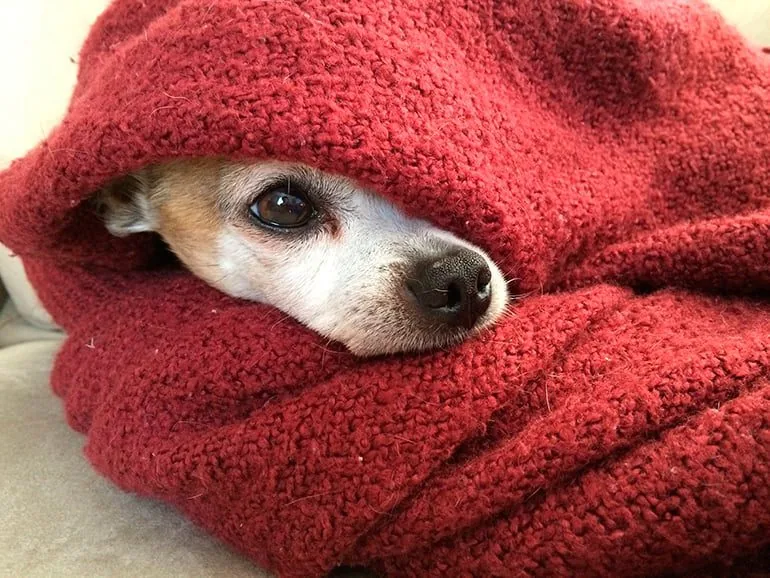
Even though their bodies are covered in fur, dogs can feel the cold just as we do. Of course, some breeds tolerate low temperatures better than others, depending on their physical traits. Some breeds are specifically adapted to frigid climates.
These are dogs with a double coat that provides insulation against harsh weather. In general, most dogs can handle the same cold we can without any problem, with a few exceptions, as we'll see below.
Is it advisable to walk your dog when it's cold?
Cold weather shouldn't stop dogs from going outside. For them, a walk isn't just a fun activity — the stimulation and exercise they get on every walk are essential for both their physical and mental balance.
Dogs need to sniff, move, run, interact with other dogs, and come into contact with other people, vehicles, noises, and so on. If it's very cold out, just follow a few recommendations. For example:
- Take advantage of the middle hours of the day to go out.
- Avoid dawn and dusk.
- Choose sheltered spots.
- Avoid drafts.
- Keep walks shorter.
- Wait for the rain to stop, or at least go out when it's only drizzling.
- Dry your dog thoroughly when you get home.
- Don't let them get wet in cold water.
Dog breeds that handle cold best and worst
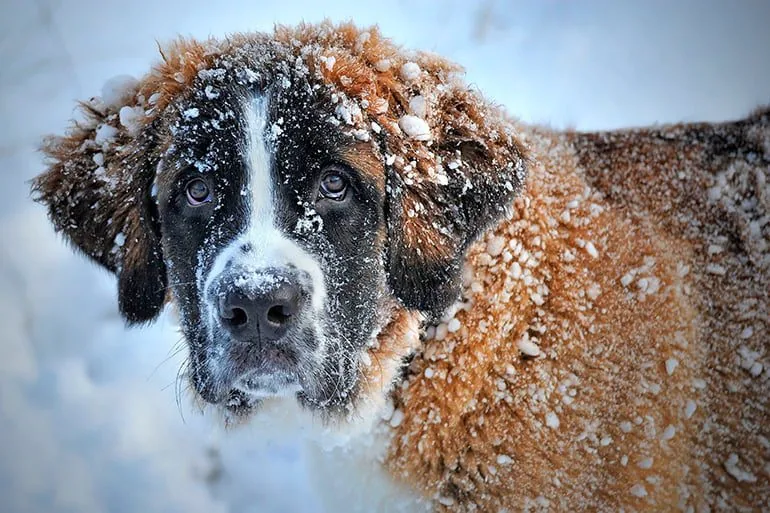
Among the group of dogs best adapted to cold weather are those belonging to Nordic breeds. Some of the most popular are the Alaskan Malamute, the Siberian Husky, and the Spitz breeds. On the other hand, some breeds are very sensitive to cold.
Examples include greyhounds and Chihuahuas. In general, any small dog with little fur and low body fat will be more affected by the cold. Keep in mind that some dogs, due to their condition, will also be more sensitive to cold, so you'll need to take extra precautions. These include:
- Puppies.
- Senior dogs.
- Sick or recovering dogs.
How much cold can dogs tolerate?
There's no exact figure, since tolerance to low temperatures depends on factors like the ones already mentioned — age, health status, coat type — as well as size.
Generally speaking, larger size favors tolerance to lower temperatures, which small or mini dogs will handle worse. It also depends on wind chill, humidity, and other factors. As a general rule, a healthy, medium-sized adult dog can safely be exposed to temperatures between 7-10ºC (45-50ºF) without any risk.
Below that threshold, problems can start to appear. Sub-zero temperatures, about 4ºC (7ºF) lower, are already considered dangerous for most dogs, especially smaller ones.
How to tell if your dog is cold
Dogs, like us, will shiver when they're cold. This is the main sign of cold, and you can resolve it by moving your dog to a comfortably warm location or putting a piece of clothing on them.
If a dog remains exposed to low temperatures for a prolonged period, they run the risk of hypothermia. Hypothermia is a drop in body temperature that can become fatal, as energy reserves are depleted and blood sugar levels drop. Symptoms include:
- Intense shivering.
- Lethargy.
- Weak pulse, up to cardiac arrest.
- Temperature below 35ºC (95ºF).
- Eventually the dog would fall into a coma.
Can dogs get frostbite?
Warning: if you notice areas — especially the ears and tail — that are cold, hardened, and whitish or bluish in color, rush to the vet. Frostbite may have occurred, which also tends to affect the scrotum and paw pads, as these are areas without fur that are more exposed.
The skin tone will progress to reddish, then swell and peel, eventually turning blackish. Lukewarm water can be applied, but a vet visit is necessary. The dog may feel pain and, if they bite the area, the injuries will worsen.
What to do if your dog is cold
A dog that's cold because they just came in from outside will warm up once inside the house at a comfortable temperature. But if the dog is in hypothermia, action is needed. First, they must be dried completely if wet.
If they're dry, or you've already dried them, warm them up by wrapping them in warm blankets. Offer a little water with sugar or honey. If their temperature doesn't rise above 35ºC (95ºF), a vet visit is essential. During transport, along with blankets, it's recommended to use hot water bottles wrapped in a towel.
Cold and your dog's paw pads
It may be necessary to protect paw pads from snow or ice. Besides the option of using dog boots, protective products are also available. These are specially formulated for dogs and can be purchased at pet stores. Just apply them to the paw pads as recommended by the manufacturer.
Protecting your dog from cold
Besides taking them out for walks with the precautions described above, there's a huge range of dog clothing available. All sizes are sold, and you can find everything from raincoats to coats, waterproof jackets, or sweaters. There's even footwear!
You can also pay special attention to their diet, to make sure they're getting all the calories they need to cope with the cold, and keep their coat in optimal condition, since it provides protection against low temperatures.
Bibliography
Carlson and Giffin. 2002. Practical Handbook of Canine Veterinary Medicine. Madrid. Editorial el Drac.
IMPORTANT: This article is for informational purposes only and does not constitute veterinary, nutritional or behavioural advice. Every dog is different, and only your trusted vet can advise you on its specific needs.