 Nutrition
Can Dogs Eat Oats?
You've surely heard on more than one occasion how good it can be for our dog to give it small amounts of seaweed, tofu, brewer's yeast or even oats every now and then.
The truth is that it's a natural and beneficial nutritional supplement, as well as cheap and easy to prepare. If our dog tolerates it well, it's without doubt one of the best additions we can give them. Let's run through all the details about dogs eating oats.
What Benefits Do Oats Offer a Dog?
It's important to remember that some dogs don't tolerate oats well, whether because of an intolerance or a specific allergy. Most, though, not only tolerate them well but make the most of their many benefits.
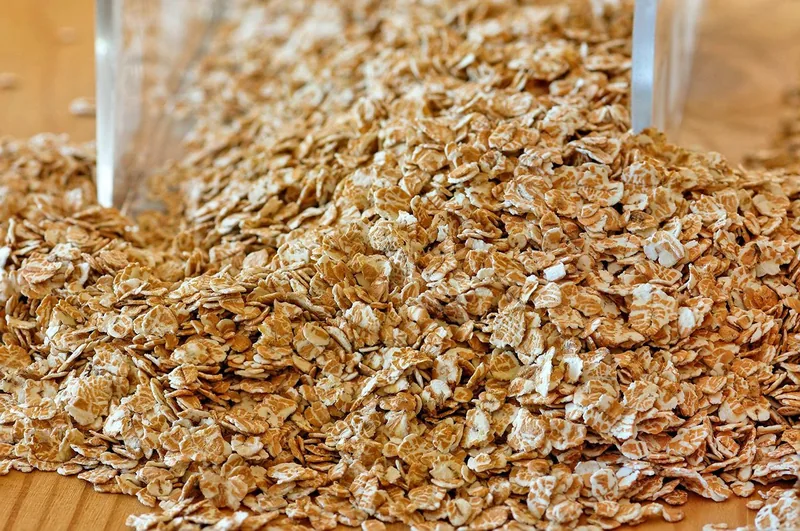
Oats are a food very rich in high-biological-value protein, fibre, vitamins and minerals. The American Association of Cereal Chemist defines fibre as the edible part of carbohydrates that resists digestion, placing oats among the foods with the highest fibre content.
We can buy natural oats at any health food shop, supermarket, pharmacy or grocery store. Your pet's good health almost always begins with good nutrition, so with oats in sensible amounts you'll be able to obtain the following benefits:
- They are rich in vitamins B5 and B9, and in minerals such as zinc, iron, manganese, copper, folic acid and biotin.
- Their high fibre content makes them ideal for overweight dogs, as it helps them reach a feeling of fullness faster while taking on fewer calories.
- They help with digestion, making it less heavy going.
- They regulate bowel movement thanks to the fibre they contain.
- They have natural calming properties, ideal for anxious or nervous dogs.
- They improve the colour and hydration of the dog's skin and coat.
- They reduce saturated fat (cholesterol) levels.
- They have diuretic properties, they support heart health, and so on.
How Much Oats Should I Give My Dog?
Before working out how much, we need to know how to give it. There are two ways of using oats so that our dog benefits from them: through food, serving it a little cooked oatmeal, and/or in the bath.
To feed oats to a dog, we have to cook them first. The oats need to be boiled in water until they thicken; they should take on the texture of a porridge, for example. We should only use natural oats and water — we must never add sugar, salt or anything else. Under no circumstances should we use milk to cook the oats, because dogs can't handle lactose. It's completely normal for oats boiled in water to also take on a rather slimy texture.
Once the oats are cooked, we can keep them somewhere cool and give our dog a little each day. The amount of oats a dog should have is one or two tablespoons a day for dogs weighing thirty kilos. If our dog weighs fifteen kilos, we should give it only one tablespoon a day, and if it weighs seven kilos, just half.
We can mix the cooked oats into its breakfast, its lunch or its dinner. We can even give it dog biscuits baked with oats. We need to use common sense: oats are high in fibre, so if we notice our dog starting to get loose stools (diarrhoea), we should stop giving it oats.
If we mix a little cooked oats into the water we bathe our dog in, its coat and skin will end up better nourished. These days there are plenty of dog shampoos that contain oats.
Can All Dogs Have Oats?
No. Dogs with diarrhoea problems, inflammatory bowel disease or any digestive-level problem should not have oats. Dogs with food allergies sometimes shouldn't have them either, so if your dog has a known dietary allergy, you should check with your vet first.
Dogs under six months of age should not have oats either, since their digestive system isn't ready for them yet. That said, many puppy kibbles do include this ingredient in their formulas.
Dogs with dermatitis or any coat or skin problem should avoid shampoos containing oats unless the vet says otherwise. As for eating habits, it's true that dogs in the wild were essentially carnivores.
But giving them cereals won't do them any harm at all. If we take a phylogenetic look back, when the dog's ancestral forerunners, wolves, hunted their prey, the first thing they ate was its digestive system, and that of course contained cereals (the ones the wolf's prey had eaten). So don't waste all the nutritional potential this cereal has — go ahead and include it in your dog's diet.
IMPORTANT: This article is for informational purposes only and does not constitute veterinary, nutritional or behavioural advice. Every dog is different, and only your trusted vet can advise you on its specific needs.