 Breeds
Dog Breeds That Bark the Least
Beyond a dog's individual personality, every breed has special traits that set it apart from the rest. Knowing these traits matters when choosing a puppy.
For starters, how noisy our canine companions tend to be isn't a minor detail, especially for people living in urban settings. Looking for a discreet, well-balanced four-legged friend? Here are some dog breeds that don't typically bark much.
Shih Tzu
Often associated with China, they're actually native to Tibetan monasteries, where they originally served as guard dogs. In fact, their name means "lion." They're small, with a striking, silky coat. They have a dignified character, reflected in their upright walk and somewhat aloof personality.
At home they're calm and don't bark much. Shih Tzus can get along well with children, as long as they know how to handle them gently. They need constant company and can develop separation anxiety if left alone for long periods. In these cases, they can turn to destructive behavior, chewing on anything they come across.
 Basenji
Basenji
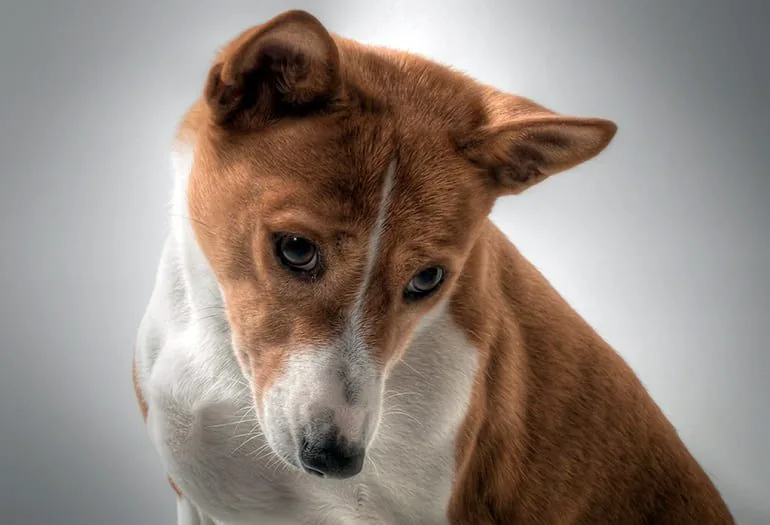
Native to Africa, this is one of the dog breeds that practically never bark. Basenjis produce a range of sounds from faint yodels to soft growls. This behavior comes from their hunting origins, when they had to move with great stealth so as not to scare off their prey.
They have a medium build and sleek lines, with striking pointed ears and a tail that curls over the back. They tend to be very intelligent and quite stubborn, used to making their own decisions in the wild. They have a lot of energy, which you'll need to channel through long walks or some kind of dog sport.
Bloodhound
This breed is known not only for being quiet, but also for its outstanding tracking abilities. Originally bred by Belgian monks in the Middle Ages to hunt bears and wild boar, in modern times these dogs proved very useful for tracking down fugitives. They're known for their large size, long ears, and mournful eyes.
Bloodhounds are gentle at home and get along with everyone. They adore children and can form good relationships with other dogs in the house, and even cats. Like good hounds, they're quite stubborn when it comes to training. They need a firm hand and training based on positive reinforcement.
Great Dane
They come from Germany, where they were originally used for big-game hunting. Today, though, the breed has shifted toward guard duties. They make good household companions, with a well-balanced personality, and only bark when it's strictly necessary. Their size is imposing.
Naturally gentle by temperament, Great Danes are affectionate and attentive with their family. Given their protective instinct, they'd give their life for their own if necessary. They're tolerant with children and other household animals, though because of their size, it's best to avoid letting them play with very young children, who could get accidentally hurt.
Akita Inu
These dogs' Eastern origin shows in the calm they radiate. With their narrow eyes and quiet ways, Akitas seem to be in a permanent state of meditation. In reality, they're bred to always be alert, making them one of the best guard dogs in the canine world. In Japan, they're considered a national treasure.
Their temperament is fairly reserved, though they'll show affection with family. They tend to be wary of strangers, and this also shows with dogs of other breeds. They have a markedly territorial character, so it's not recommended that they share a home with other dogs. In Spain they're classified as dangerous dogs, so if you want to adopt one, you'll need to apply for a permit.
Golden Retriever
There's a Spanish saying, roughly "a barking Labrador is a rare Labrador," that perfectly sums up this breed. If we add a balanced temperament and quiet habits to its golden coat and huge charisma, it's easy to see why the Golden is one of the most popular varieties. Native to Scotland, these dogs have won over the entire world without making too much noise.
They're affectionate, loyal, and very playful. They adore their family's company, especially the youngest members. They can take up to 3 years to fully mature, and often behave like puppies well into adulthood. They have an innate need to please and uncommon intelligence, which makes them fairly easy to train. What are you waiting for to adopt one?
Chesapeake Bay Retriever
This variety descends from the Labrador, so it shares many of its traits, including a gentle temperament, love of water, and discreet manners. Balanced and sociable, they bark very little; their intelligent gaze is often all they need to communicate.
With a double, water-resistant coat, they adapt better to cold climates. They're naturally friendly dogs, great household companions, and tireless athletes. They love physical activity, especially swimming. They can be a bit stubborn during training, so they're best suited to people with a firm hand and plenty of patience.
Australian Shepherd
Bred by Australian ranchers, they were originally called "heelers" for their habit of nipping the heels of cows and sheep to herd them. This technique meant they didn't need to bark unless it was absolutely necessary.
With their inner circle, they're protective, sometimes excessively so, which can make them a bit jealous of other pets. That said, they don't tend to be aggressive or violent unless they have good reason to be. Early socialization and obedience training are essential for raising well-balanced adults.
IMPORTANT: This article is for informational purposes only and does not constitute veterinary, nutritional or behavioural advice. Every dog is different, and only your trusted vet can advise you on its specific needs.