 Breeds
Fun Facts About Chihuahuas
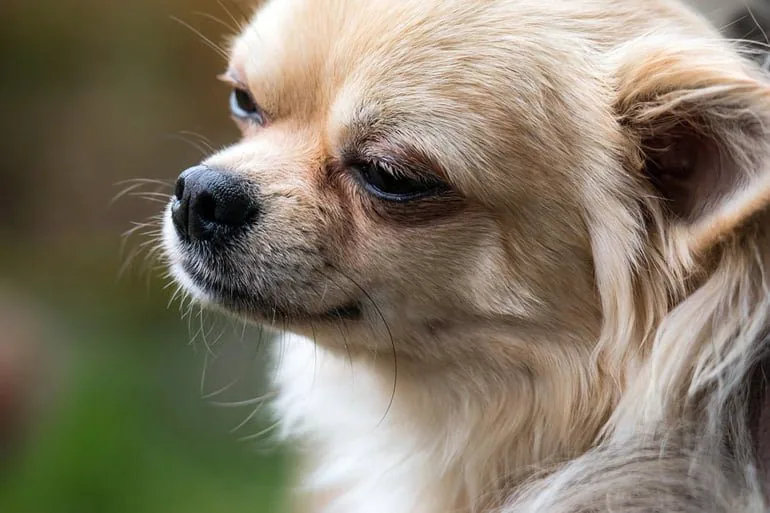
Chihuahuas have become a hugely popular companion in countless households in recent years. Their charming looks, long or short coat, and above all how easy they are to literally carry around make them an ideal companion.
Despite their tiny size, they're still dogs, and as such we can't overlook their needs for socialization, exercise, training, and connection. We need to actually learn about the breed instead of just going by the myths.
Basic Characteristics of the Chihuahua Breed
This small dog is native to Mexico, though the circumstances and timing of its origin aren't clear. From the start it was valued as a companion animal, a role it still excels at today. Its looks might not suggest it, but it makes a good guard dog, always alert and ready to bark.
Its life expectancy falls between 12 and 18 years. Very small, its weight ranges from about 1 kg to 3 kg, standing around 15-23 cm at the withers. It doesn't handle cold well, which is part of why it adapts so well to city living. It can't live outdoors, and it doesn't need a very high level of activity either.
Where Does the Name Chihuahua Come From?
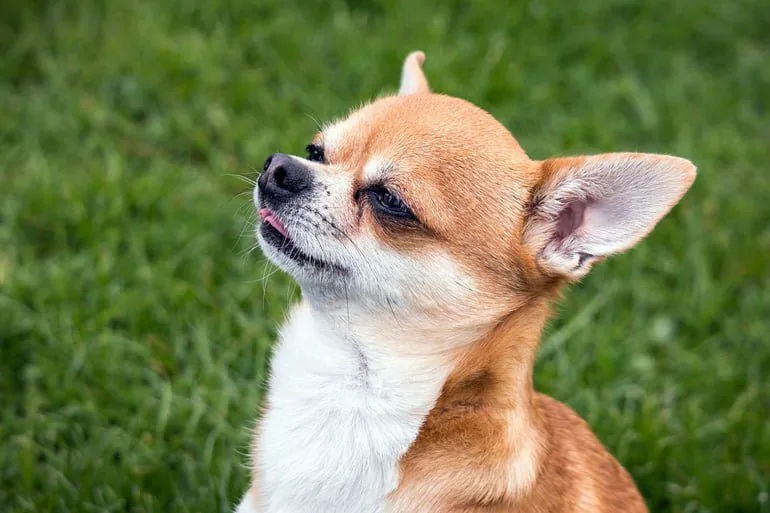
Chihuahuas are named after the Mexican state from which they first became known and were exported around the world. You could say it's the best-known, most popular, and most widespread Mexican dog. This name was actually coined in the United States. Its true name is "chihuahueño."
What Is the Chihuahua's Connection to the Aztecs?
Several legends surround this breed. One is that its Aztec name was xoloitzcuintli, though in reality that was the name of a different, considerably larger dog native to Central America.
There are other legends about individuals with a bluish coat being considered sacred, while reddish-coated ones were ritually sacrificed on Aztec funeral pyres. In any case, these are questionable legends whose authenticity has never been proven.
Do Chihuahuas Have Epilepsy?
This question can be answered both yes and no. The breed's distinctive rounded head shape appears to increase their risk of epilepsy. But this is just a predisposition — it doesn't mean every Chihuahua will develop the condition.
Are There Long-Haired Chihuahuas?
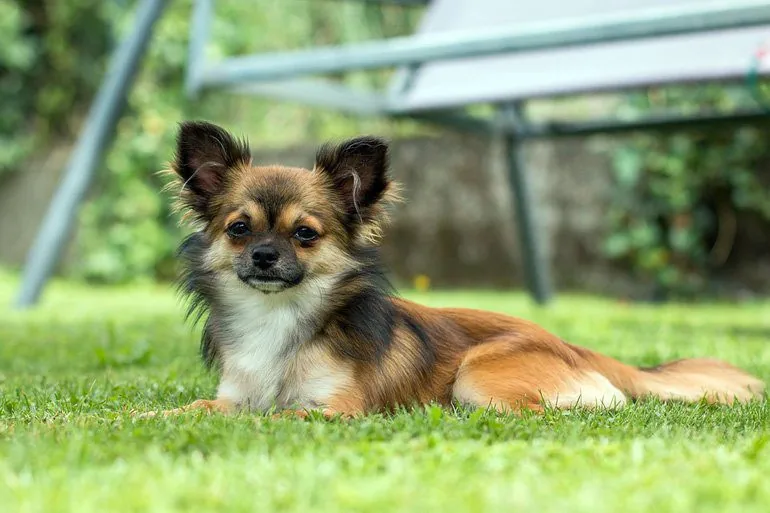
Although the best-known variety by far is short-haired — and there's even a hairless variety known as the Hairless Chihuahua — there's also the long-haired Chihuahua. It's identical to the short-haired variety, with the only difference being coat type. The long hair stands out on the ears, around the neck, on the legs, and the tail. It's the rarest variety.
Is the Chihuahua a Toy Dog?
Even though very small dog breeds are also called "toy" breeds, they're dogs just like any other and should never be treated as toys. In the specific case of the Chihuahua, it's an always alert, active animal, even though it has a widespread image as a lap dog.
That's why it's important not to neglect their training — otherwise, we could end up with behavioral problems that lead to very unpleasant situations, even though, given their size, they'd never be classified as a potentially dangerous dog.

Do Chihuahuas Need to Wear Clothes?
Dressing dogs in clothes can seem like nothing more than a fashion trend or an aesthetic whim of their owners, but the truth is that certain breeds, due to their traits, handle low temperatures very poorly. To protect them from harsh weather, we can dress them in a coat, a raincoat, or little boots.
Chihuahuas are this type of dog, though shivering isn't always about the cold. Excitement, or even a drop in blood sugar — known as hypoglycemia — can also be behind the shaking in this breed, so it's worth paying attention to the circumstances in which it happens.
Is It Normal for a Chihuahua to Have a Very Large Head?
Chihuahuas have a distinctive rounded head and, due to their size, a predisposition to hydrocephalus, a condition in which fluid builds up in the brain. This creates pressure on the brain, which can have fatal consequences for the affected animal.
So if we notice our Chihuahua's head growing larger, or any other sign that something's wrong, like seizures, loss of coordination, or behavioral changes, we should see a vet right away. In Chihuahuas, this is considered a congenital condition. The prognosis for hydrocephalus is guarded.
IMPORTANT: This article is for informational purposes only and does not constitute veterinary, nutritional or behavioural advice. Every dog is different, and only your trusted vet can advise you on its specific needs.