 Breeds
Fun Facts About the Doberman Breed
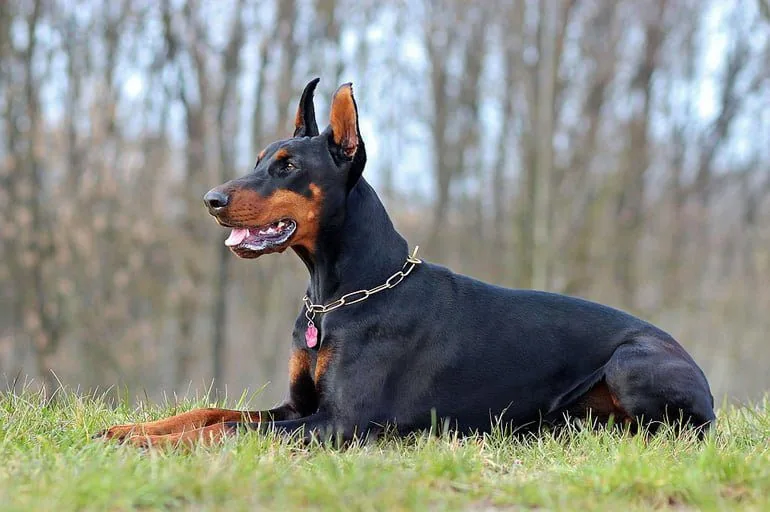
Dobermans are imposing animals. Hugely popular a few decades ago, after a period when their numbers in homes declined, they now seem to be making a comeback.
Their tough, and to some people even fierce, image means a lot of prejudice circulates about them. Below, we'll go over some of their traits so we can get to know the breed better.
Fun Facts About the Breed
Their life expectancy is around 12 years on average. It's a large dog weighing between 30 and 40 kg, standing about 65-69 cm at the withers. Females are generally smaller. Their coat is short and requires little care.
It's an animal that adapts well to city life and prefers mild climates. It's a good idea for them to get solid obedience training, at which they'll excel. We should pay attention to their interactions with other dogs, since some may not get along too well with fellow canines due to their strong temperament, though this can't be generalized to every individual.
Why Is This Dog Called Doberman?
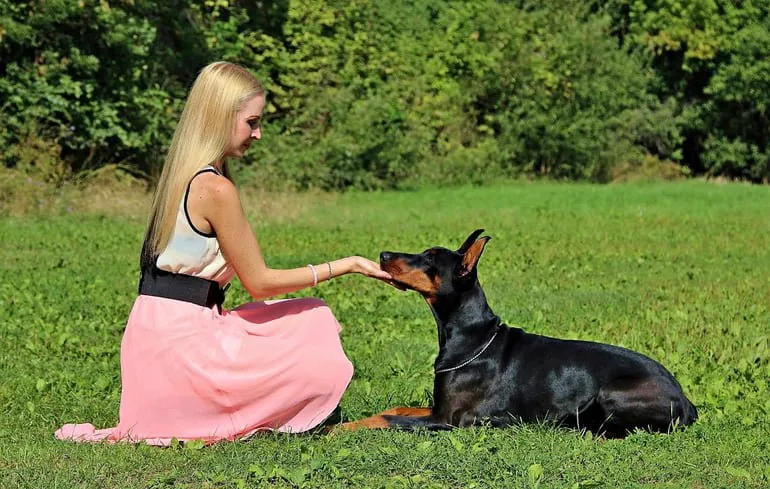
The breed's name comes from its creator, the German tax collector Louis Dobermann. This man crossed dogs from breeds like the Rottweiler, the German Pinscher, the Weimaraner, the English Greyhound, and the Manchester Terrier to produce a specimen of this new breed.
What Is the Doberman's Origin?
Even though it might not seem like it given its current look and lifestyle — since we tend to see it as a guard dog or companion — the Doberman is a direct descendant of German hunting dogs, hounds known for their exceptional sense of smell.
Why Shouldn't a Doberman's Ears Be Cropped?
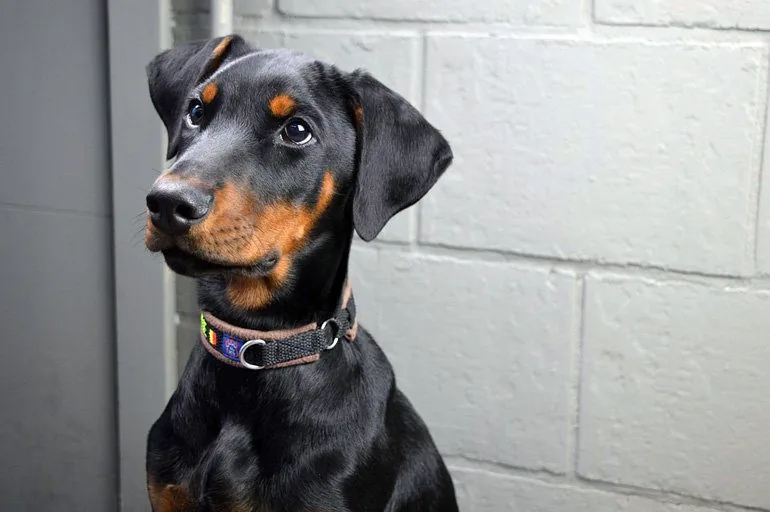
Although the image of this breed has long been linked to cropped ears, the truth is there's no real need to mutilate the animal this way. Cropping is done purely for aesthetic reasons. Fortunately, this practice is now banned, with fines for owners, breeders, or vets who carry it out.
Ear cropping isn't a minor issue. This part of a dog's anatomy plays an important role in communication. By cropping them, on top of causing considerable pain during recovery, we're preventing the dog from communicating effectively with other dogs.
Is the Doberman a Dangerous Dog?
This question is a good example of how social prejudice affects dog breeds. Dobermans aren't inherently dangerous — no more so than any other breed of similar build.
Their look — remember, altered by ear cropping — combined with their use as guard dogs, has helped create a fierce image that isn't accurate, since Dobermans can be very affectionate, gentle dogs.
So it's not a dog's image that makes it dangerous, but the training it receives. The Doberman breed isn't included on Spain's list of potentially dangerous dogs.
The Doberman and the Cold: Good Friends?
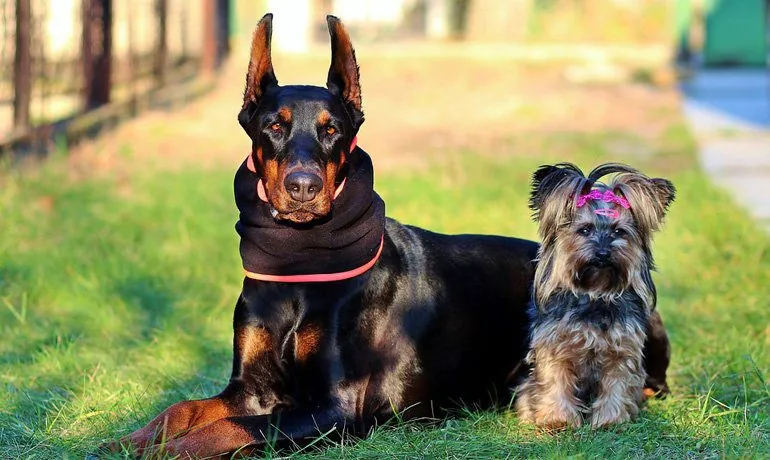
Because of its reputation as a guard and defense dog, there's a common belief that its ideal home is outdoors, watching over properties or businesses. If we live somewhere with mild weather year-round, we might be able to keep our Doberman outside. But only in that case.
Dobermans, in general, don't handle the cold well, so their ideal environment will always be indoors. If they do have to be kept outside, it's essential that they get proper care, with a good shelter to protect them from the cold and other harsh weather.
Can Dobermans Live With Children?
The breed's social image has had an influence here. Seen as a dangerous, fierce guard dog, none of these traits would make it seem suitable for living with children.
But this is nothing more than a stereotype that doesn't have to reflect reality. A socialized, well-trained dog will build a good relationship with every member of its family, whether human, canine, or another kind of animal. Once again, it's worth stressing that what matters is how the dog is treated, not its breed.
Of course, children also need to be well informed about how to treat animals, and no matter how good the dog is or how strong the bond between them, we should never let our supervision slip.
IMPORTANT: This article is for informational purposes only and does not constitute veterinary, nutritional or behavioural advice. Every dog is different, and only your trusted vet can advise you on its specific needs.