 Breeds
11 Fun Facts About the German Shepherd
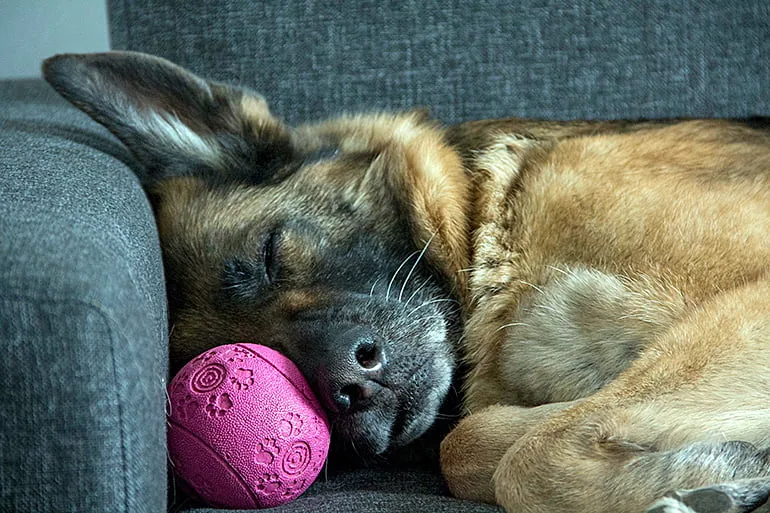
Few breeds are as well known and loved as the German Shepherd. Its physical and cognitive abilities, along with its loyal, docile temperament, make it easy to train and live with. So it's no surprise it's used in search and rescue, assisted therapy, or as a guide dog. What you might not know are these fun facts about the German Shepherd.
Pay attention, because we're going to dig into the particularities of this breed and some of its lesser-known quirks. After all, the breed created by cavalry captain Max Emil Frederick von Stephanitz can boast plenty of achievements. Here they are.
11 Surprising Facts About the German Shepherd Breed
As its name suggests, these dogs were used to herd sheep flocks in late 19th-century Germany. However, thanks to their intelligence, protective instinct, docility, confidence, and balanced temperament, they soon stood out at more specialized tasks and earned a reputation as an all-purpose breed.
If you decide to bring one of these dogs home, to keep it healthy and happy you'll need to socialize it from puppyhood, train it in basic obedience commands at an early age using positive reinforcement, and give it both physical and mental stimulation. Otherwise, it could become destructive and/or overly vocal.
1. They Rank Third in Intelligence
Its athletic build and calm, sociable temperament come paired with great intelligence. In fact, the German Shepherd is considered the third most intelligent breed in the world, beaten only by the Border Collie and the Poodle.
2. They Served in Both World Wars
During World War I, the German army found a true treasure in this then still-young breed. They helped with patrols, finding wounded soldiers, and delivering messages — all strategic tasks that even won over Allied soldiers, spreading their fame beyond Germany's borders.
By the time World War II began, the German Shepherd was already a well-known and highly valued breed in Europe and the U.S., and it still lived up to expectations.
3. They're Famous for Their Movie Appearances
Using this breed for various film and TV roles, starting with the 1954 premiere of 'The Adventures of Rin Tin Tin,' helped popularize it. This won it the affection of countless people around the world. It's even had its paw prints immortalized on the Hollywood Walk of Fame.
4. Their Coat Is a Controversial Topic
Although the official standard for their coat calls for a double coat with an undercoat, a straight, coarse, dense outer layer, and a softer inner layer, the truth is there are 3 varieties: short and coarse-haired, long and coarse-haired, and long-haired. You might be surprised to learn it's not actually classified as a long-haired breed.
As for coat colors, the most common are black, and black and tan, though gray or yellowish individuals also exist. What's much rarer is the white and tan combination. These dogs are called Panda German Shepherds.
5. Do You Know What Their Black Mask Is Useful For?
Their distinctive black mask around the eyes helps reduce sunlight intensity and prevent glare.
6. They Have the Honor of Being the First Guide Dogs in History
Morris Frank founded the first guide dog school in Merseyside, USA, and on October 6, 1931, delivered the first guide dogs to 4 World War I veterans. Judy, Meta, Folly, and Flash are the names of history's first guide dogs, all German Shepherds.
7. They Rank Fourth for Best Nose
They have over 225 million scent receptors (we barely reach 400), giving them an extraordinary sense of smell. In fact, they rank fourth in the Best Canine Nose ranking.
8. You Should Keep an Eye on Their Appetite
They're strongly drawn to food. This can make them gluttonous or prone to eating too fast. To prevent this, experts recommend splitting their recommended daily amount into two meals, so they don't go too many hours without eating, which makes it easier on them.
Given their build and intense physical activity, their diet should provide 22-24% protein and 12-15% fat. If, despite your precautions, you notice your dog gulping down food or begging constantly, take them to the vet to rule out intestinal parasites or separation anxiety showing up as physical symptoms.
9. They're Prone to Degenerative Diseases
They look strong and have great working capacity. However, the indiscriminate breeding that came with their popularity has taken a toll on their health, and they're prone to degenerative diseases, with the digestive system and joints being their main weak points.
So, hip and elbow dysplasia, myelopathy, and eye conditions like keratitis and glaucoma are recurring issues in this breed. Until they're 2 years old, it's best for puppies to only move around on grass or indoor flooring, to avoid injuring their developing ligaments.
10. They Can Learn Basic Math
According to scientific findings, this breed is capable of understanding our language and learning basic math by 4-5 years of age. Interesting, isn't it?
11. Today They're Not Related to Wolves
Unlike breeds such as the Siberian Husky, the Karelian Bear Dog, the Alaskan Malamute, or the Norwegian Elkhound, the German Shepherd shares no genetic relationship with wolves.
Did you find this interesting? Did you learn something new about these adorable dogs? If so, we encourage you to share this post on your social media or leave us your thoughts in the comments. We'd love to hear from you.
IMPORTANT: This article is for informational purposes only and does not constitute veterinary, nutritional or behavioural advice. Every dog is different, and only your trusted vet can advise you on its specific needs.