 Care
Care
Home Remedies Against Bad Breath in Dogs
You get back home from work. As soon as you open the door, your dog jumps on you and... greets you with licks! However, your happy face can instantly turn into one of disgust.
The reason? The bad smell of its breath. To avoid this situation, there are a few home remedies against bad breath in dogs that can help you. Let's see what they are.
The Most Effective Home Remedies Against Canine Halitosis
We know the love we feel for our furry friends is unconditional, whether they have halitosis or not. However, we need to pay attention to this problem — not just for what we feel, but for their own health.
Unpleasant breath tells us the dog has an excessive amount of bacteria in its mouth, which can lead to problems in the digestive tract. By improving its dental hygiene, we'll be preventing possible conditions.
Sometimes it's not necessary to spend a lot on dental cleanings or specific products. There are home remedies that can work well. That said, first make sure the dog is healthy by taking it for a checkup with your regular vet.
Solutions to Keep Your Dog's Breath Fresh
There are several natural, easy-to-find options to fight your furry companion's halitosis. For example:
- Raw bones. When the dog gnaws on meaty bones, they act like sandpaper, preventing food scraps from staying between its teeth. They're also a good source of calcium.
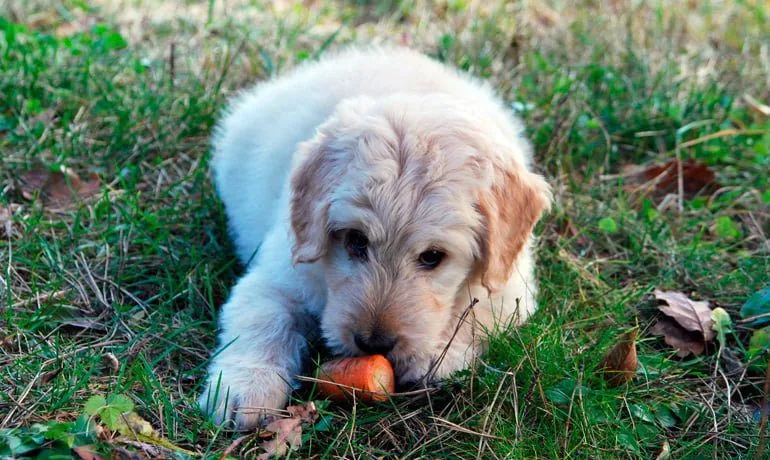
- A carrot will give you results similar to the bone. This vegetable also has excellent properties: Carrots for dogs.
- Parsley. It's a key plant for ensuring fresh breath. You can cut it into small pieces and mix it with its food, or make infusions with its leaves. If it doesn't eat it on its own, another option is to make a spray and mist its mouth with this preparation.
- Apple cider vinegar. This product neutralizes bad odor. Ideally, add a couple of drops to its daily food. If you start with small amounts, it will soon get used to the taste.
As you can see, dental hygiene is closely linked to diet. In fact, it's not just important to use these home remedies against bad breath.
You also need to pay close attention to its diet and eating habits, since that could be where the problem originates.
Proper Nutrition for Pleasant Breath
A healthy diet is key to preventing halitosis. That's why, if you feed your furry friend kibble, try to choose a quality one. Low-quality ones cause tartar to build up and that unpleasant smell we want to avoid to appear.
Making changes to the dog's diet can be a good solution. For these cases, the raw diet (BARF) is highly recommended. Choose natural foods and steer clear of processed ones. Your canine companion will thank you.
On the other hand, it's essential to make sure it's well hydrated. A dog needs to drink plenty of fluids, which will keep its mouth clean of residue.
As for its bowl, make sure it's clean and free of leftover food buildup. Another recommendation is to keep an eye on your dog so it doesn't eat spoiled food. This can not only cause bad breath, but also digestive problems.
The Importance of Good Dental Hygiene
Finally, keep in mind that dental care helps... a lot! Ideally, you should brush your dog's teeth every day. If that's not possible, try to do it as often as you can. A good approach is to set this routine about two or three times a week. This way the dog will gradually get used to it.
As for the toothbrush, you can use a human one or do it with your own fingers. With ½ tablespoon of baking soda and 1 tablespoon of water, you can make your own homemade toothpaste. Its effect is very powerful. You can even add a pinch of parsley to make it more effective.
The truth is there's no miracle solution for bad breath, just a set of habits that help improve it. The secret is consistency and building healthy routines. At your house, how do you handle your dog's dental hygiene? Have you ever suffered one of those "kisses of death" from your furry companion?
IMPORTANT: This article is for informational purposes only and does not constitute veterinary, nutritional or behavioural advice. Every dog is different, and only your trusted vet can advise you on its specific needs.