 Care
Care
What to Do If My Dog Won't Eat
We all know dogs are big foodies — they spend the day searching for scraps or begging for a bite of whatever we're eating. When we put down their food, they literally wolf it down, since they love to eat.
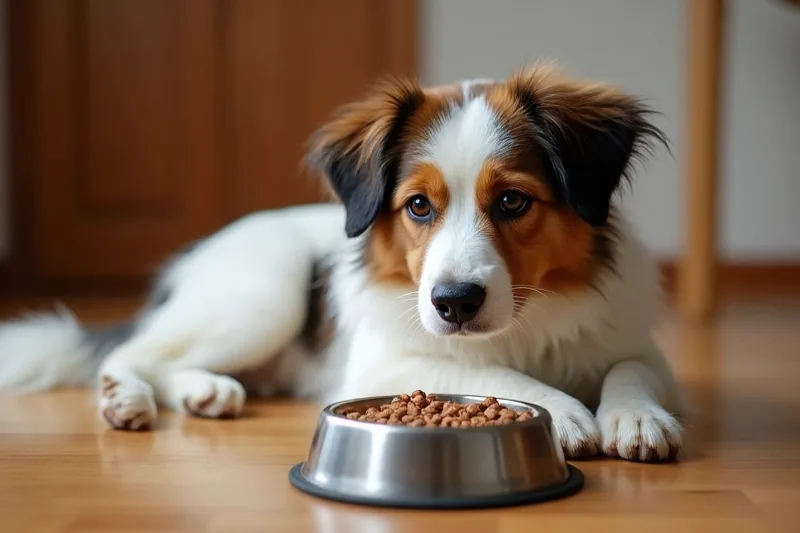
That's why when a dog doesn't want to eat, we start worrying they might have a health problem. Sometimes it's simply that they don't like their food, but other times it really is a health issue we need to address. Let's see how to figure out what's going on with a dog that won't eat.
Why do dogs stop eating? Causes
Changes in feeding behavior — in this case, anorexia, the term used to describe a dog no longer eating — are usually a sign of illness, and sometimes can make the underlying illness worse. However, not every change in feeding behavior is the result of illness.
Below, we'll look at what factors can be at play when a dog doesn't want to eat.
- Stress: If our dog is stressed, it's normal for them not to want to eat. This stress can be caused by a change of home, or if we've been traveling. It can also happen when a new pet arrives at home — the one who already lived there might refuse food for a few days. It's also worth noting that food intake can drop in the presence of dominant individuals. In fact, it can even inhibit saliva production in subordinate dogs.
- Surgery or medication: If our dog has recently had surgery or is taking medication, this can be a major reason for reduced appetite — watch them for 72 hours, and if the problem continues, see your vet.
- A blow or impact: If our dog has had an accident and taken a hit to the body or head, that could be why they're not eating. If they don't eat over the following days, take them to a vet for a thorough exam.
- Old age: Older adult dogs have less appetite than young dogs. Remember that taste, smell, and sight are all important in feeding, since dogs are a hunting species. It's known that taste is an early-developing sense, present even before birth — when puppies are born, the surface area of the olfactory mucosa is 18 to 150 cm², and with age these senses deteriorate, especially smell. Because of this, an animal's appetite can decrease over the years.
- Heat cycle: The reproductive cycle especially affects how much females eat. Estrogen reduces food intake, so female dogs in heat eat less. So there's no need to worry if your pet is going through this stage.
- Obstruction: This could be the worst cause of all, though it's the least common. If your dog has swallowed a ball, a sock, or a large piece of a stick, for example, it may be "stuck" in their stomach or intestine. If so, they'll be blocking the normal passage of food or stool, so you should urgently take them to be examined by a vet — these conditions usually require surgical treatment.
- Some dogs eat so much throughout the day that they end up with an upset stomach, causing them stomach pain. When this happens, the dog themself stops eating simply because they can't eat any more. We should wait for them to vomit or pass the excess food inside them before offering food again.
The most common reason a dog stops eating is boredom with their food.
What to do to get your dog to eat their kibble?
Palatability is defined as how acceptable an animal finds a food, based on their sensory response. A new but not very palatable food creates a short-term preference, while if it's both new and palatable, the preference increases even more.
The solution is quite simple: buy dog food (kibble) with a different smell and flavor. If the kibble you're giving them is lamb-based, for example, buy dog food based on chicken, fish, or some other poultry.
Buy a small amount to let them try it — if they like it, you can start buying regular amounts and gradually mix it in with the old kibble. Remember that kibble should be switched gradually for our dogs, so they don't develop stomach problems.
Natural tricks to get your dog to eat
If the reason is simply that they no longer like their food, or they've tried human food and now don't want their dog food ration, we can try these simple tricks to make their kibble more appealing:
- Add the oil from a can of tuna, or the tuna itself, over your dog's kibble, mix it in, and serve it — you'll see how much they like it.
- Put an egg (shell removed) over your dog's food and mix it in — they'll go crazy for it.
- Buy salmon oil from your vet and add a small spoonful to your dog's food at every meal — they'll love it.
- Buy a can of wet dog food — every so often it's a great treat, and dogs love it. You can also mix it with their regular kibble to make it more appealing.
Have you tried natural food for dogs?
Maybe your dog is tired of always eating dry kibble — imagine if you were always given dry crackers to eat... it would be torture.
You may have heard of the BARF diet, a healthy, natural way of feeding dogs. It involves feeding our pets healthy, unprocessed, completely raw food. Although it can sometimes look a bit "unappetizing," the truth is it's by far the best food we can give our dogs.
Dog food is made from meat byproducts — that is, all the parts of the animal that can't go toward human consumption. These are literally rendered down, and their ashes are used to make what we know as dog food. A raw BARF diet, on the other hand, gives our dogs completely healthy food, full of fresh, natural protein, vitamins, and minerals.
Remember to always have fresh, clean water available for your dog, especially if they eat dry kibble — it's essential. Never feed your dog right after exercise — you should wait at least half an hour to an hour for them to calm down.
My dog won't eat and seems listless
If we notice any symptom suggesting the dog might be sick, such as vomiting, diarrhea, being listless or apathetic, trembling, or even fever, it's absolutely necessary to see the vet to rule out any serious underlying condition. There are no natural remedies that can be used effectively here — professional veterinary care is essential.
IMPORTANT: This article is for informational purposes only and does not constitute veterinary, nutritional or behavioural advice. Every dog is different, and only your trusted vet can advise you on its specific needs.