 Care
Care
Polyvalent Vaccine for Dogs — What Is It and When to Give It?
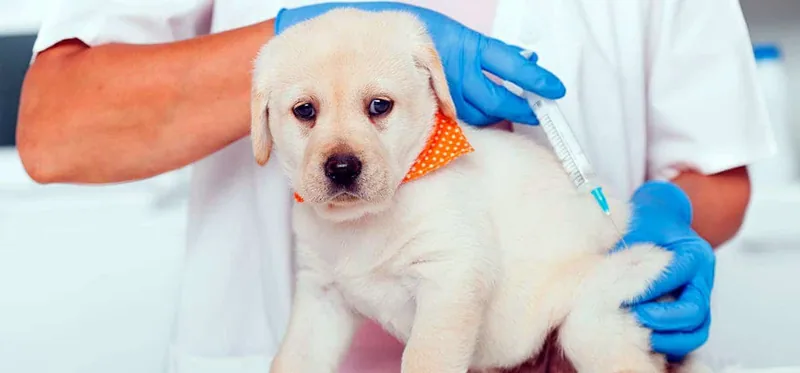
Vaccination protects our furry friends from many serious diseases, which is why it's important for them to be properly immunized from puppyhood.
If you follow the recommended schedule, you'll see the polyvalent vaccine is the first one that should be given. Want to know what it protects against and how often it needs to be given? We explain it all in this simple, complete article.
What Is the Polyvalent Vaccine?
As the name suggests, this is a vaccine that combines several different types of antigens into a single biological preparation, generating acquired immunity in our pet against several diseases through a single injection.
These different types of antigens are the substances that trigger the production of antibodies, which will act in our furry friend as specific defenses against a given disease, without it having to suffer through or survive it first.
The advantage of polyvalent vaccines is that they reduce the number of injections needed. This translates into less stress for the dog and a lower chance of side effects.
At a professional level, it also helps save materials and time, as well as making transport, storage, and preservation of vaccines easier. That said, the immune boost these doses provide is temporary, so the dog needs to be revaccinated periodically to keep the effect going.
What Does the Polyvalent Vaccine Protect Against?
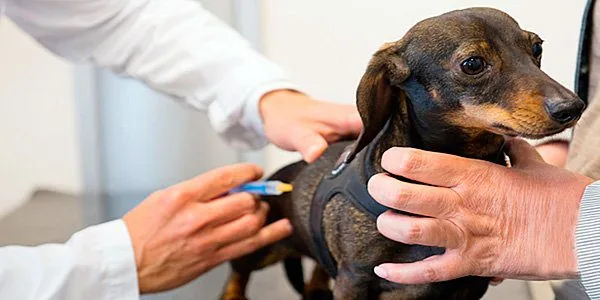
The canine polyvalent vaccine is given at authorized vet clinics and usually protects against the following viral diseases:
- Distemper. It's highly contagious and affects the respiratory, digestive, skin, or nervous system. It's very important to have good immunity against this disease, since it's the leading cause of death in dogs from infectious diseases.
- Canine parvovirosis. One of the main viral diseases attacking cells in the digestive system, mainly causing vomiting and diarrhea, usually hemorrhagic.
- Infectious hepatitis, caused by canine adenovirus type 1, affects organs such as the liver, kidney, and eye. It can be fatal, especially in unvaccinated puppies.
- Canine parainfluenza. A virus involved in what's called kennel cough, characterized by episodes of dry, harsh, persistent coughing. It's very contagious, especially problematic in places where many dogs gather (boarding facilities, kennels, etc.).
- Canine leptospirosis, a bacterial disease that mainly damages the kidneys and liver, causing symptoms notably including fever, loss of appetite, vomiting, or hematuria, meaning blood in the urine.
Among polyvalent vaccines, several types can be distinguished, based on how many diseases they protect against. There are trivalent (covering 3 types of virus), tetravalent (4), pentavalent (5), hexavalent (6), and octovalent (8) vaccines.
Obviously, those offering broader coverage are the most complete, including both mandatory and optional vaccines. All the conditions we've mentioned can have fatal consequences for your furry friend's health, but the polyvalent vaccine drastically reduces the risk of contracting these conditions.
How Often Does It Need to Be Given?
When they're born, dogs don't yet have an immune system mature enough for vaccines to work. That's why, in the first weeks of a dog's life, mother's milk is the best form of immunization.
After this time, the vet can start giving the first vaccine doses. Regulations vary from country to country, even between regions, but generally in Spain the polyvalent vaccine is usually given to dogs as follows:
- At 6 weeks: depending on whether weaning has occurred, an initial dose may be given.
- At 8 weeks: the polyvalent vaccine is given.
- At week 12: a booster of this vaccine is given.
- Annually: the dog needs a new booster, so the vaccine's effectiveness doesn't decrease over time.
In addition, there are vaccines that aren't part of the polyvalent group and are given separately to boost their effectiveness. One example is the rabies vaccine, which should be given at 16 weeks, or the leishmaniasis vaccine, for a very serious condition transmitted through the bite of infected mosquitoes.
Tips for Giving the Polyvalent Vaccine
There are several possible vaccination plans, so we recommend always checking with your vet for any doubts you have. As an expert in animal health, they'll be able to guide you and inform you of all the vaccines your furry friend needs.
It's a complex topic, and several factors need to be taken into account, such as the dog's breed, whether it needs to travel regularly to other countries, regional regulations, and the prevalence of different diseases depending on the geographic area.
Finally, it's important for vaccination to be preceded by a prior clinical exam and internal deworming. An animal should never be vaccinated while in poor health, with parasites, or with anything else affecting its health, since in that case the vaccine could be ineffective or even counterproductive.
As you can see, vaccination is something you shouldn't neglect if you want your furry friend to stay healthy and protected against many diseases. Remember: treatment is always more expensive than prevention, but beyond that, our furry friends' health is priceless.
IMPORTANT: This article is for informational purposes only and does not constitute veterinary, nutritional or behavioural advice. Every dog is different, and only your trusted vet can advise you on its specific needs.