 Breeds
Saarloos Wolfdog
This wolf-type breed is fairly rare and little known, which is why there isn't much information available about it. Even in its homeland, the Netherlands, the Saarloos Wolfdog isn't especially widespread.
Below we'll cover all the essential facts to get to know this beautiful, intelligent breed, which, thanks to its distinctive traits, will win over anyone who admires wolf-like dogs.
Origins of the Breed
This breed's beginnings trace back to the Netherlands, specifically to 1921, when Dutch breeder Leendert Saarloos began an experiment he'd dedicate his life to.
With it, he aimed to improve the traits and learning ability of the German Shepherd through a breeding program based on introducing wolf blood, since he believed the way German Shepherds were being bred at the time had weakened the breed.
That was the Saarloos Wolfdog's original purpose, though today it's a companion dog, since, unlike its German Shepherd ancestor, it never achieved excellence as a working dog.
A Different Kind of Wolfdog
Although Leendert Saarloos's experiment ultimately failed, since no improvement was ever demonstrated in the German Shepherd's abilities, it did lead to the recognition of a new breed, in 1975. The Saarloos Wolfdog stands out for a few particular traits.
Unlike other wolf-dog hybrids, this breed has been bred for many more generations, which shows in its temperament, which is, we might say, more domesticated. That temperament is also shaped by the fact that its genetic mix includes wolf blood from wolves more inclined toward pack life and less prone to solitude.
Characteristics of the Saarloos Wolfdog
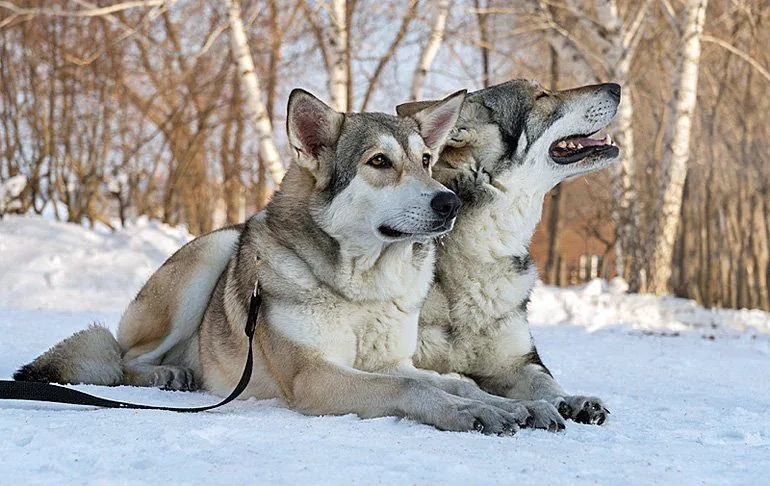
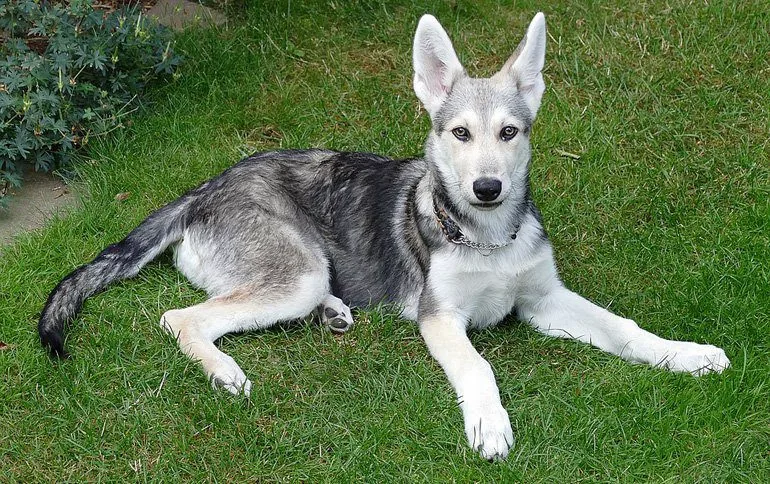
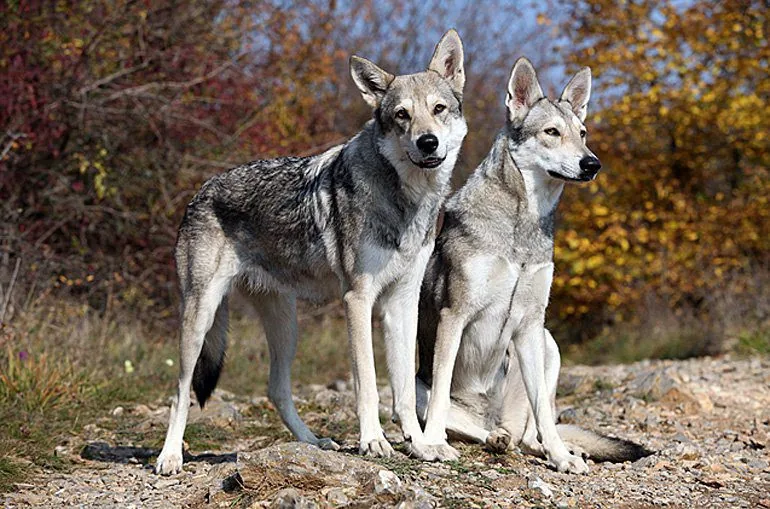
Saarloos Wolfdogs have a head that's slightly arched between the ears, sitting atop a wide, strong neck. The ears, carried erect, are wide at the base. The almond-shaped eyes are usually amber-colored, with an alert expression.
The back is long and ends in a low-set tail with a dense, sable-colored coat. Its long legs also stand out, especially noticeable in the front legs. Overall, its external appearance is athletic and closely resembles a wolf's.
The coat, which can be gray or brown, is generally coarse to the touch, not overly long, but with a considerably dense undercoat. It doesn't need much upkeep or bathing. Life expectancy is around 10-12 years. Average weight ranges from 36-41 kg and height falls between 60-75 cm. It's a large breed.
Temperament of the Saarloos Wolfdog
Although dogs with wolf blood typically have more trouble learning, the truth is that the Saarloos Wolfdog trains relatively easily, since it's more receptive. That makes it a good student when it comes to teaching it to follow commands.
That said, keep in mind that, being independent and intelligent, it needs an experienced owner. Obedience training is necessary, since some dogs can be a bit dominant or even aggressive.
- Don't miss: How to Prevent a Dog From Becoming Dominant
This breed also has fewer problems adapting to city life. These traits, which somewhat set it apart from other wolfdogs, shouldn't make us forget it's still a dog with wolf blood, and as such, it's not unusual for it to seem cautious or shy, especially with strangers.
What Is It Like Living With a Saarloos Wolfdog?
This isn't a breed especially recommended for living with children. If raised with other dogs from puppyhood, it can share a home with them, but there can be problems living with other species if they're capable of triggering its hunting instinct. Early, proper socialization is therefore essential.
Given both its physical and psychological traits, it can adapt well to outdoor living and handle harsh weather conditions. It's also a good watchdog. That said, it needs a high level of physical activity. Walks are essential, but it should also get frequent chances to run.
Keep in mind that exercise doesn't just support physical wellbeing — it's also essential for the dog's mental balance, reducing the risk of anxiety or stress issues. This matters especially in breeds as intelligent as this one, since they'll have a strong need for stimulation.
Health of the Saarloos Wolfdog
There isn't much information available on diseases specific to this breed. Given its physical traits and its ancestry, it's likely prone to dysplasia, especially of the hip. Otherwise, the same recommendations for veterinary follow-up, deworming, and vaccination apply as for any other dog.
Hip dysplasia involves a malformed joint, which can range in severity. It causes pain and limping and, in some cases, requires surgery. Any unusual gait in this breed is reason to see a vet. An X-ray can confirm or rule out the diagnosis.
IMPORTANT: This article is for informational purposes only and does not constitute veterinary, nutritional or behavioural advice. Every dog is different, and only your trusted vet can advise you on its specific needs.