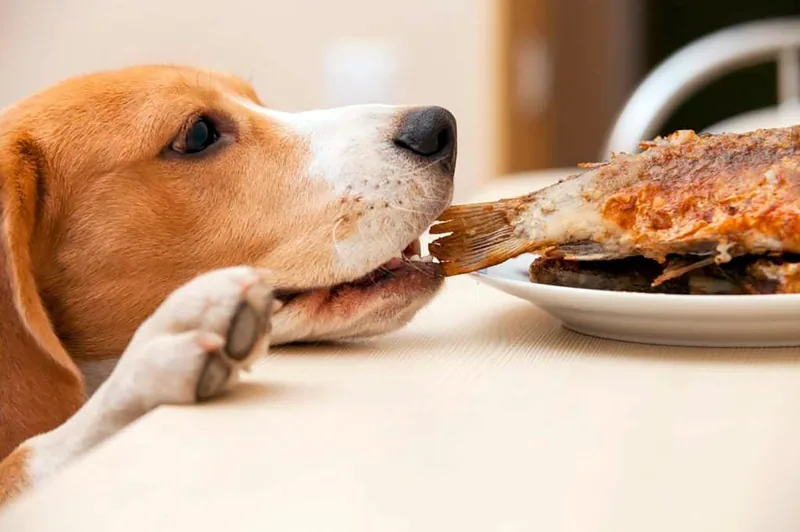
 Nutrition
The Benefits of Cod Liver Oil for Dogs
Far from being a 'novelty', cod liver oil is a supplement widely used by those looking to optimise their nutrition, reinforcing in this case the supply of essential fatty acids for the body to work at its best, omega-3 in particular. Even so, what many people still do not know are the uses and benefits of cod liver oil in dogs.
And if you are looking to give your best friend a more complete, balanced diet, you have come to the right place. In this article we will talk in more detail about the beneficial properties of this supplement for the health of our favourite furry friends. Keep reading to find out more!
You may also like to read: How to Make BARF Food for Dogs
What Is Cod Liver Oil and What Is It For?
Cod liver oil is a natural, polyunsaturated fat extracted from the liver of the cold-water fish Atlantic cod. Thanks to its high concentration of omega-3, as well as vitamins A and D, it is considered a highly useful dietary supplement for guaranteeing intake of the so-called 'good fats', which are essential for a great many physiological processes in the bodies of all mammals (dogs and humans included).
It is worth remembering that fats are one of the fundamental macronutrients for the whole metabolism to work. To give just a couple of examples, hormone production and the development and 'communication' of brain cells can be seriously compromised when fat intake is inadequate.
Another important point is that cod liver oil should not be confused with sardine oil or salmon oil. Although they are supplements with similar compositions that tend to be used for similar purposes, sardine and salmon oil have a higher omega-3 content, while cod liver oil is a better source of vitamins A and D.
When to Give a Dog Cod Liver Oil?
Cod liver oil is a good source of essential fatty acids, particularly docosahexaenoic acid (DHA) and eicosapentaenoic acid (EPA), two types of omega-3 that dogs need to get through their diet to guarantee a balanced metabolism.
For this same purpose, oil from other fish, such as salmon oil, could also be used. But the great advantage of cod liver oil lies in combining omega-3 with excellent concentrations of vitamins A and D, two micronutrients essential for bone and muscle formation, strengthening dogs' immune systems and the proper working of their sensory abilities.
For all these reasons, cod liver oil can be used to complement our dogs' diet, especially when they need a greater supply of the vitamins mentioned. We can add small amounts of cod liver oil to our dog's diet from puppyhood through to adulthood, since it is entirely natural and beneficial.
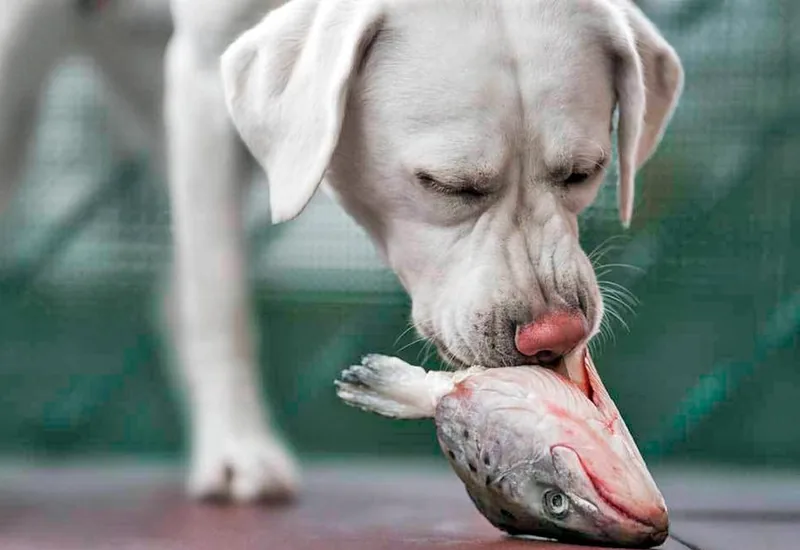
Uses and Benefits of Cod Liver Oil
Below we list the four most notable properties of supplementing with cod liver oil:
1. Stimulating the Cognitive and Sensory System
Moderate, regular intake of omega-3 has a stimulating effect on brain function. For puppies and pregnant dogs, it is a great ally to brain cell development during pregnancy, and to cognitive, emotional and sensory abilities during the first months of life.
In adult and older dogs, it helps prevent strokes and slows the decline in cognitive and sensory function linked to ageing, preventing and easing the symptoms of cognitive dysfunction syndrome in dogs (also known as canine "Alzheimer's").
It is also worth mentioning the positive effects of omega-3 fatty acids on mental and emotional health. Beyond helping to prevent depression, research suggests that supplementation may be useful in treating bipolar disorder.
2. Strengthening the Immune System and Bones
Proper supplementation with cod liver oil is very useful for preventing vitamin D deficiency and, as a result, supports the proper absorption of minerals essential to dogs' bodies, calcium and phosphorus in particular.
In this way it can help strengthen the bones and support immune function, improving protection against infectious diseases, such as tuberculosis, in which vitamin D deficiency shows up as a significant risk factor.
3. Anti-Inflammatory and Antioxidant Action
The vitamin A this supplement provides contains a compound called β-carotene that acts as a powerful natural antioxidant in dogs' bodies. That means it helps fight free radicals and, as a result, prevents ageing and cell damage, as well as the oxidation of LDL cholesterol (so-called 'bad cholesterol'), which is directly linked to arteriosclerosis.
What is more, both the vitamins and the omega-3 in cod liver oil have an anti-inflammatory action, helping to prevent and treat inflammatory processes and degenerative diseases common in dogs (mainly older ones), such as arthritis and osteoarthritis. It also proves useful in managing chronic pain caused by joint problems.
4. Anti-Cancer and Cardioprotective Properties
Studies show that adequate intake of essential fatty acids has a very positive impact on preventing various types of cancer, breast, ovarian and colon cancer among them. In fact, in a study carried out at the Fox Chase Cancer Center hospital and research institute in Philadelphia (USA), regular, moderate omega-3 intake was observed to inhibit and/or slow the abnormal growth of cancer cells.
Other research confirms that the combination of fatty acids with the vitamins A and D present in cod liver oil also helps optimise the regulation of cholesterol and triglyceride levels in the bloodstream. This significantly reduces the risk of insoluble lipid plaques building up inside the arteries, which translates into better blood flow and a lower predisposition to cardiovascular disease and strokes.
How Much Cod Liver Oil Should I Give My Dog?
Supplementing with cod liver oil can be done by choosing a premium kibble, using specific capsule supplements, or through the oil itself, usually available from health food shops.
All of these options can be safe and beneficial, as long as the dose and frequency of administration are matched to your dog's nutritional needs. Remember that eating too much of this supplement can cause adverse effects such as nausea, vomiting and gastrointestinal upset.
That is why, before you start using it, you should consult a vet you trust, who can advise you on the best method of supplementation and the most suitable amounts for your best friend's body.
IMPORTANT: This article is for informational purposes only and does not constitute veterinary, nutritional or behavioural advice. Every dog is different, and only your trusted vet can advise you on its specific needs.