 Care
Care
Vaccine Side Effects in Dogs
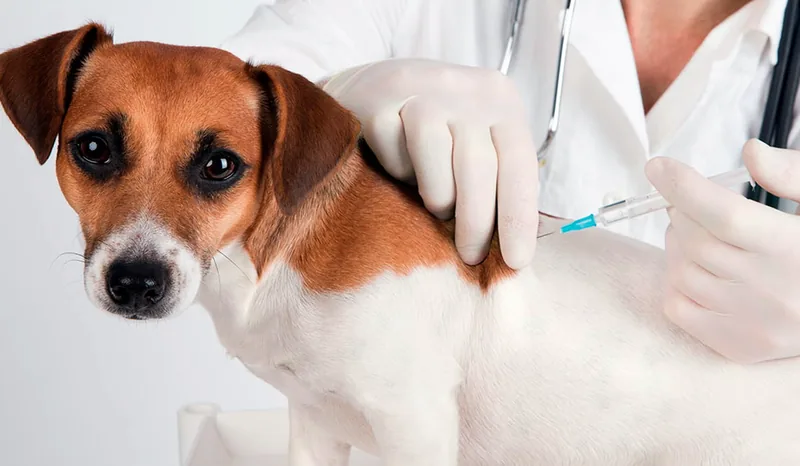
Vaccines are essential for preventing diseases and controlling others that can be transmitted to humans. That said, despite all their benefits, we also need to consider the downsides. We need to know the possible side effects of vaccines in dogs so that, if they occur, they don't catch us off guard.
After going over the most common symptoms, at SoyUnPerro we'll tell you about the most common effects and give you some tips on what to do if an unwanted side effect appears.
What Do Vaccines Do in Dogs?
Just as with humans, vaccines mainly serve a preventive function. The goal is to keep the dog from catching a serious disease, such as canine parvovirus. It's long been proven that vaccines help save lives and control highly contagious diseases so they don't spread, especially in shelters or kennels.
To make this immunization possible, vaccines work by building resistance to certain diseases, "teaching" the immune system how to fight different types of germs. How? By introducing the infectious agent into the dog's body in different ways, whether through live attenuated vaccines, vaccines with viral subunits, toxoids, or genetic material.
There are also vaccine booster doses, which is, put another way, reintroducing the instruction manual so the immune system "remembers" how to fight the virus.
This triggers an immune response in the vaccinated dog, which gains defenses against a given disease, such as canine distemper, rabies, or leishmaniasis. However, in some cases this procedure can cause a number of side effects. These can occur with the third puppy vaccine, as well as the rabies vaccine or the polyvalent one. Below, we'll look at the most common post-vaccination reactions.
Main Side Effects After Vaccination
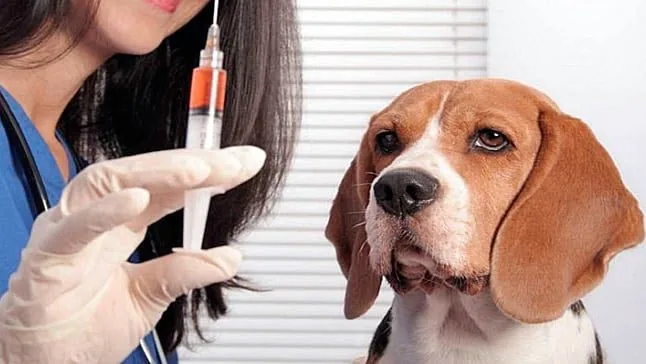
First, let's tell apart side effects and adverse reactions. Side effects are a series of symptoms your dog might show after receiving the vaccine, which aren't as harmful and dangerous as adverse reactions.
Among the main side effects vaccines can cause in dogs, the following stand out:
- Skin swelling and/or hardening: vaccines are usually given under the skin (subcutaneously), so after the injection you may notice a slight bump and hardening at the injection site, which can cause pain for a few days.
- Fever: with the vaccine, the immune system activates to build defenses, which can cause a fever. Because of this, our furry friend might seem more listless than usual. However, this usually isn't a serious side effect, and the fever tends to go away within days.
- Other health issues: various effects vaccines can cause in dogs include listlessness, gastrointestinal issues such as vomiting or diarrhea, respiratory problems (especially with intranasal vaccines), or drowsiness.
If you notice any of these side effects, it's best to take the dog to the vet and explain what's happening. They'll be able to advise you on the best course of action for each case. Despite the possibility that vaccines can cause these complications, the truth is their benefits still far outweigh their downsides.
Unfortunately, there are also less common but more dangerous adverse reactions, such as anaphylactic reactions, which we'll explain below.
- Anaphylactic reaction: this is an allergy to the vaccine, showing symptoms such as swelling of the muzzle and difficulty breathing in the dog, along with a weak pulse, skin redness, or vomiting. Anaphylaxis is the side effect that can be most dangerous, although it's not very common. It usually appears shortly after the injection is given and is a reaction of the body attacking itself in self-defense. Corticosteroids are usually given to stop this effect.
What to Do If a Dog Shows Side Effects After a Vaccine?
There are very basic side effects, like fever or general malaise, which your vet will warn you about, which usually resolve within a day or so and don't require a vet visit.
On the other hand, for any different reaction you notice in your four-legged friend, it's best to see a professional so they can evaluate the vaccine's side effects or adverse reactions in the dog and recommend the best treatment for the symptoms it shows, which usually aren't extremely serious.
If an allergic reaction occurs, corticosteroids usually work very well. However, they may interfere with the vaccine's effectiveness, so it will need to be given again. In this case, the vet will most likely opt for a different brand, to reduce the risk of the same thing happening again.
The truth is it's difficult to prevent an allergy to a vaccine without prior experience of it, but if your dog is prone to drug allergies, it's best to mention this to the vet.
There are certain exceptional situations you should mention to your vet, to find out for sure whether or not you can vaccinate your dog. These are:
- You think your dog is sick or has been in contact with sick animals.
- Your female dog is pregnant or nursing, or if you have immediate plans to breed her.
- She's had an anaphylactic reaction in the past.
Thanks to vaccines, we can prevent more serious diseases in our furry friends. That's why it's important for the dog to keep up with its vaccines, from an early age, and to follow the official schedule.
IMPORTANT: This article is for informational purposes only and does not constitute veterinary, nutritional or behavioural advice. Every dog is different, and only your trusted vet can advise you on its specific needs.