 Care
Care
Why Does My Dog Retch? Causes and Solutions
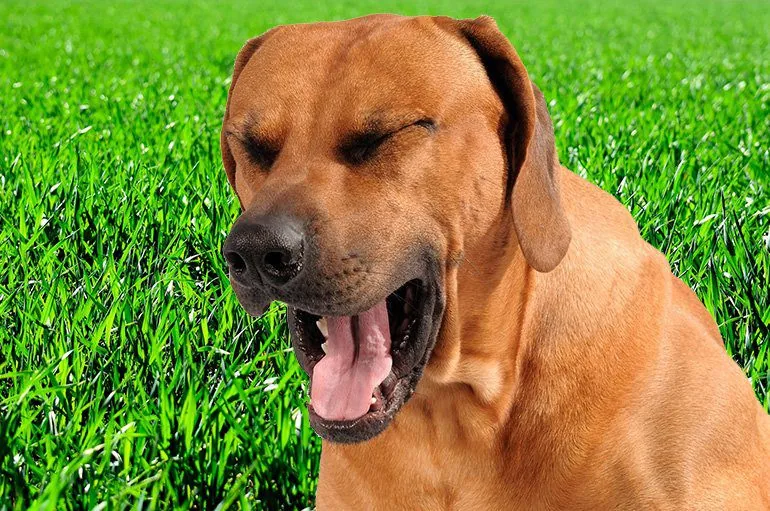
Retching is a symptom telling us something's wrong with our dog's health, from digestive problems to diseases or possible foreign objects. Other causes can include gastric torsion or even parasites.
There are many possible causes behind our dog retching, but they all have one thing in common: it's necessary to see the vet so they can find the cause. Many times, the visit needs to be urgent. Let's take a closer look at everything related to retching in dogs.
Retching and vomiting
Many times, retching will come along with vomiting. These are usually due to digestive disorders, but there are so many possible causes of vomiting in dogs that seeing the vet becomes necessary.
An occasional bout of vomiting is normal in dogs, since their vomiting reflex is highly developed. It's not a concern, but if vomiting recurs or there are more symptoms, a vet visit becomes essential.
Retching from foreign objects
A common cause of retching in dogs is the presence of a foreign object in their mouth, throat, or esophagus. By foreign object, we mean bone fragments or splinters, fish bones, fishhooks, grass awns, whole toys or pieces of them, string, and generally any object that could get stuck there.
In these cases, besides retching, excessive drooling can be seen, along with an open mouth, restlessness, intense rubbing of the face with the paws or against objects, etc. Sometimes the object gets caught in the mouth and we can see it, or even remove it. But we should only do this if we're very certain, otherwise it could backfire.
We also shouldn't pull on a piece of string or thread that disappears down the throat. If the object is sharp, we'd make the situation worse. In these cases, we need to let the vet handle it. X-rays, and even surgery, are often needed once it's confirmed the object won't come out naturally.
Retching from pharyngitis
Pharyngitis is inflammation of the pharynx from various causes. It causes retching, fever, coughing, loss of appetite, or pain when swallowing. It's up to the vet to find the underlying cause of the pharyngitis in order to give the right treatment. Often there's an infection that needs to be treated with antibiotics.
Retching from bronchitis
Bronchitis is inflammation of the bronchi and bronchioles. The bronchi carry air from the trachea to the lungs. Bronchioles are the branches of the bronchi.
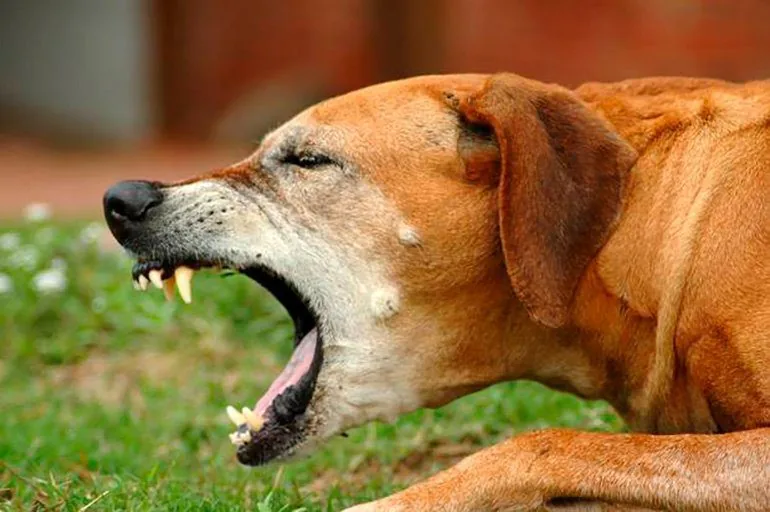
Chronic bronchitis in particular causes coughing fits, especially after the dog does some physical activity, along with expectoration and retching. It's important to follow veterinary treatment to prevent more serious damage.
Retching from tracheobronchitis
Tracheobronchitis is commonly known as kennel cough. As the name suggests, its main symptom is coughing. But depending on how severe it is, it can also cause sneezing, expectoration, breathing difficulty, pneumonia, more or less purulent nasal or eye discharge, fever, loss of appetite, apathy, or retching.
These are triggered after intense coughing fits. Treatment will depend on the dog's clinical picture. It's worth knowing a vaccine exists to help prevent it.
Retching from gastric dilatation-volvulus
Gastric dilatation-volvulus is a serious, potentially fatal problem. It's more common in large dogs. Eating large amounts of food quickly, drinking a lot of water before or after exercise, or overly intense physical activity are considered risk factors.
An affected dog will appear very agitated. They'll drool excessively, adopt unusual postures, have a swollen abdomen, and have a painful belly, along with retching. It's essential to get to the vet clinic immediately. Treatment usually involves surgery. Not every treated dog survives.
Retching from motion sickness
Motion sickness is the dizziness caused by movement. It's usually easy to notice on car trips, since many dogs get carsick in this situation. It affects puppies more. These dogs will become very anxious, and we'll notice them starting to drool excessively, eventually retching or even vomiting.
This is a problem that can be resolved with training. The goal is to gradually get the dog used to the vehicle's movement. In certain situations, the vet may prescribe medication to control motion sickness.
Retching from eating grass
Although various explanations circulate, the truth is that scientifically, it's not entirely clear why dogs of any sex or age decide to eat grass. Either way, what is certain is that grass has an irritating effect on the stomach.
This is what explains the retching and even vomiting after eating it. Eating grass is considered normal, but if it becomes too frequent a behavior, it's worth checking with the vet. Besides retching, this habit can also give the dog internal parasites.
Retching from parasites
Some internal parasites can cause retching, among other symptoms. A common, widespread example, since it's such a widespread parasite, is roundworms.
These are worms whose larvae sometimes make their way to the lungs. This situation causes coughing fits and retching. We're more likely to see this in puppies. To prevent it, it's essential not to skip the deworming schedule.
Bibliography Carlson and Giffin. 2002. Manual práctico de veterinaria canina. Madrid. Editorial el Drac.
IMPORTANT: This article is for informational purposes only and does not constitute veterinary, nutritional or behavioural advice. Every dog is different, and only your trusted vet can advise you on its specific needs.