 Care
Care
Is It Better for a Dog to Be Indoors or Outdoors?
When it comes to choosing what's best for our furry friends, it's normal to ask ourselves: what's better, having the dog indoors or outdoors? This decision will shape its life and its character, so it's something you should think through carefully, weighing all the pros and cons.
Is it better to give it the security of the home, or will it feel more comfortable with the freedom the yard gives it? If you're stuck on this, there are several things you should know.
Do Dogs Like Living Outdoors?
Dogs are happy when they have room to run around freely. They love going for walks in the countryside and chasing after a ball in the yard. But while they enjoy this freedom, they're also social beings. Since they're used to living in a pack, if they spend many hours without company they'll feel lonely and left out.
Loneliness affects their behavior, and they can end up developing separation anxiety, showing nervousness and destructive behaviors. They can also become very territorial, treating the yard as their own property.
It's important that we avoid this kind of attitude, so the dog isn't disobedient or dangerous. Keeping a close relationship and a strong bond will help prevent these problems.
Also, don't forget that dogs are very impulsive and may try to escape if they get the chance. So they could get lost or cause damage to a neighbor's property if they live outside. And no, the solution isn't to keep them tied up. If we love our furry friends, we need to care about their happiness.
What You Should Know If You Want a Guard Dog
In the past, it was common for rural dogs to not stay inside the house. Behind this decision was a very clear reason: their job was to protect livestock. Nowadays our lifestyle has changed a lot, and one of the main reasons behind this decision today is having them act as guard dogs.
Breeds such as the German Shepherd, the Doberman, or the Belgian Malinois are often given this role, even though they're some of the dogs that suffer the most from being isolated. This type of dog needs constant physical and social stimulation. Otherwise, they can develop certain behavioral problems.
At this point, it's important to seriously ask yourself: is it reasonable to have a dog just so it can be your guard dog? It will most likely end up tied up, nervous, and depressed. To avoid reaching these extremes, it's best to consider the opposite option. What if we give it its place?
Are Dogs Happier Indoors?
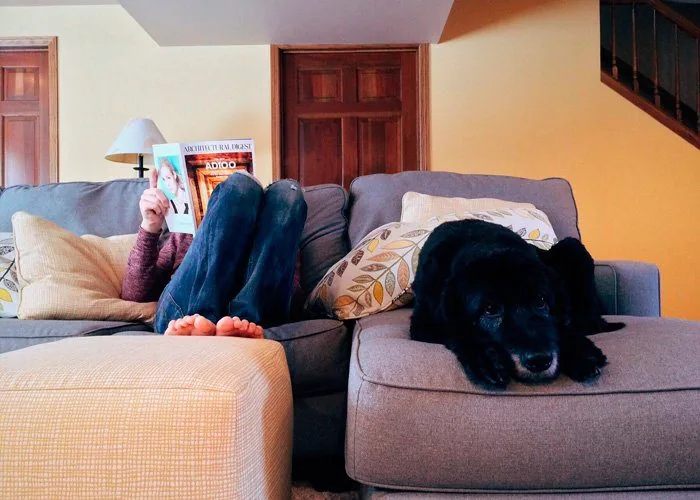
If you think your four-legged friend is part of your family, there's nothing like strengthening this bond by sharing your life with it. This way you'll be able to follow its socialization process more closely, since as part of the household it will observe and interact with everyone else and feel like part of the pack.
Benefits for Its Health
Besides better socialization, by living indoors your furry friend will also have a better life expectancy. Here are some of the reasons:
- By spending more time with it, you'll be able to spot in time any change in its behavior that could be related to an illness or ailment.
- Its coat will stay clean for longer.
- By living indoors, the chances of having parasites or other kinds of illnesses drop drastically.
- The comfort of the home will help it avoid those annoying elbow calluses so typical of dogs that live outside.
- It won't suffer from bad weather — cold, rain, and snow can negatively affect its health.
In conclusion: even if we have a large garden or a yard at home, it's best to let our dog take shelter and share a good part of its life with us. By giving it a pleasant, loving environment, our furry friend will feel calm and at ease around humans.
However, don't forget that despite all these advantages, daily walks are essential. This way it can release all its energy and feel happy. Now, tell us: do you let your four-legged friend stay in the house? If the answer is no: would you be willing to open your home's door to it now that you know all the advantages?
IMPORTANT: This article is for informational purposes only and does not constitute veterinary, nutritional or behavioural advice. Every dog is different, and only your trusted vet can advise you on its specific needs.