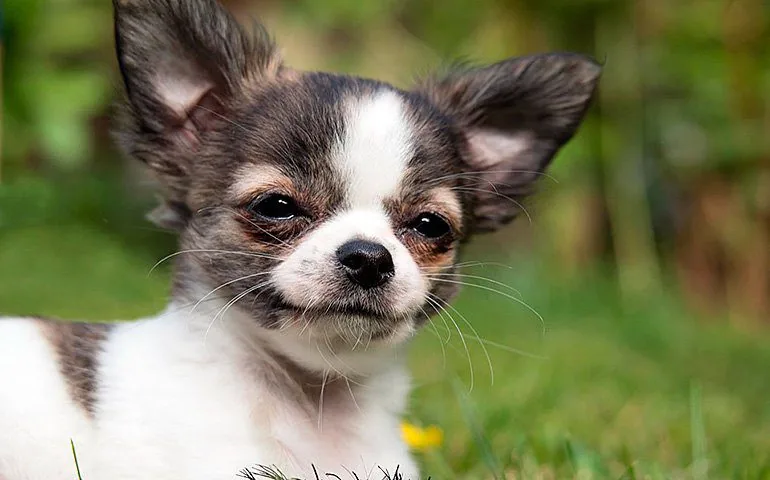
 Care
Care
Pyramid of a Dog's Basic Needs
Adopting a dog is a very fun adventure, but it also comes with responsibilities. As an owner, it'll be up to you to meet your dog's basic needs. Food, hygiene, veterinary care, and exercise are some of the main ones, but there are also emotional needs you need to satisfy.
What does a dog need to be happy? Nowadays, these elements are measured through a pyramid created by trainer Linda Michaels. We'll show you the important aspects she points out.
Nutrition and diet
The base of the pyramid focuses on meeting the dog's basic biological needs. Providing your dog with quality food is one of the most important steps for their development. Whether it's dry kibble, wet food, or a homemade diet, it should be suited to your dog's age, breed, and physical condition.
Feeding frequency and portions also vary with the dog's size and life stage. Good nutrition impacts their health and physical appearance.
It's important to consistently provide a bowl of fresh water. Clean the bowl daily and change the water. During summer, avoid leaving it somewhere with a lot of direct sun.
Exercise and play
Physical activity is part of a healthy dog's life. It doesn't just help them maintain their ideal weight — it also contributes to their happiness and strengthens the bond with their owners.
Many breeds require daily outdoor exercise, since they have a more active temperament. Without it, these breeds develop behavioral problems.
Besides daily outdoor exercise, it's necessary to add stimulation at home. Games are an excellent way to do this. Chasing the ball, hiding treats, and intelligence games are perfect for entertaining your dog and spending time with them.
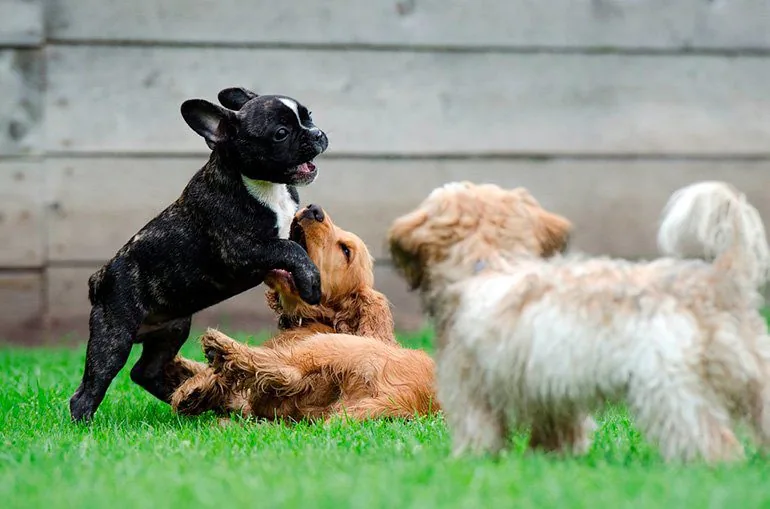
Rest
Just as important as play and food is rest. Your dog needs between 12 and 14 hours of sleep a day. Generally, they spend between 8 and 9 hours resting at night, and split the rest into naps throughout the day.
That said, if your dog has trouble sleeping or barks all night, you need to find out why.
Shelter and home
Shelter and a home are also part of a dog's basic needs. This means your canine friend needs a home to live in. You should also give them a space in your home that's just theirs.
Within this designated area, the dog needs a comfortable bed, warm in winter and cool in summer. This space should be calm and allow them to rest, without isolating them from family life.
Grooming
Hygiene is also part of any dog's healthy life. Bathing frequency depends on how much exercise the animal gets. That said, it's recommended to bathe them at least once a month.
Besides bathing, trim your dog's nails as needed, and check their ears for wax buildup. Getting your puppy used to teeth brushing will let you care for their teeth more properly.
Likewise, you should regularly clean your dog's belongings and the spots where they play.
Medical care
One or two vet visits a year are the minimum your dog needs. Keep track of deworming and vaccine dates, and follow the schedule.
Besides this routine checkup, see a specialist whenever you notice symptoms of illness in your dog. Loss of appetite, fatigue, vomiting and diarrhea, bleeding, skin lumps, bad breath, eye discharge, wounds, and so on — there are countless signs indicating a health problem.
Security, love, trust, and understanding
The next layer of the pyramid designed by Linda Michaels corresponds to a dog's emotional needs. Meeting biological aspects is important, but your dog needs more than food and shelter to be happy.
Security relates to the protection your dog should feel at home. If they're comfortable, you treat them well, and they're not exposed to unpleasant situations, like excessive noise, they'll feel calm.
The emotional bond is also important. Playing with your dog, petting them, talking to them with affection, and spending time with them are activities that will help build a beautiful relationship. Dogs don't trust everyone — that's why it's up to you to become their best friend.
Understanding your dog is also loving them. Their reactions are often misread because their body language isn't well understood. Knowing what things like raising a paw mean is essential for living well together.
Helping your dog adapt to the home and protecting them from situations that scare them, like fireworks, will help them be very happy and grow up healthy.
Whenever there's a change in behavior, remember to see your vet. If your dog is nervous, stressed, or showing fear, there's a reason for it.
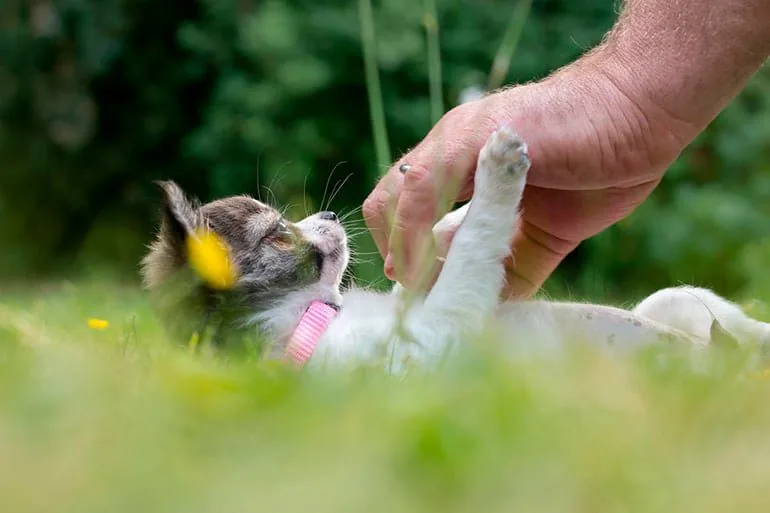
Socialization and play
Socialization is an important part of any dog's physical and emotional development. It involves allowing interaction with other people, dogs, and pets; this way, your dog will learn to relate to them and make new friends.
It's recommended that socialization start from puppyhood. In adulthood, a poorly socialized dog develops behavioral problems, such as aggression, nervousness, and destructive behavior.
Taking them to the park, going for walks, and inviting people over are ways to contribute to this process. These activities also strengthen the bond between you and your pet. This layer of the pyramid corresponds to a dog's social needs.
Training
Linda Michaels also defines gentle training needs. These refer to training your dog using positive reinforcement, which produces better results than other types of training.
Despite belonging to another species, dogs have lived alongside humans for thousands of years. This is possible thanks to learning commands and rules that allow for a harmonious relationship — this is where the importance of training lies.
Both adult dogs and puppies can receive training, although it's recommended to start within the first few months of life. Basic commands allow the dog to follow you, come when called, and stop when instructed. This is essential for walking them outside, since they'll come to you whenever you consider them to be in danger.
Positive reinforcement involves offering rewards during training. Under this system, the dog repeats a behavior to get the reward. Rewards can be dog treats, pieces of meat, cheese, or fruit, along with pats, petting, and encouraging words. Done properly, you'll be able to stop offering food rewards as training progresses.
During this process, you need to be patient and respect your dog's own learning pace. If you don't know how to start training them, you can attend classes at a training school or hire a professional dog trainer.
Cognitive development
The last layer in the pyramid of a dog's basic needs includes meeting cognitive needs. Physical exercise is essential for your pet, but they also need activities that develop their intelligence and present them with challenges.
One way to meet these needs is to get intelligence games for dogs. There are all kinds of products available, but the goal is for the dog to learn that a certain action will earn them a reward. These games are affordable, and you can get several for your dog.
The most popular one is the Kong for dogs, but there are also puzzle boards, seek-and-find games, and others.
Also, walking through new places stimulates your dog's intelligence and curiosity. Every place has different smells and textures, which will make them want to explore and have a great time. These are the basic needs you need to meet for your dog to be happy.
IMPORTANT: This article is for informational purposes only and does not constitute veterinary, nutritional or behavioural advice. Every dog is different, and only your trusted vet can advise you on its specific needs.