 Breeds
Top 10 Most Affectionate Dog Breeds With Older Adults
It's no secret that having dogs around brings countless health benefits. What you might not know is that for older adults specifically, living with a dog is even more beneficial.
Large or giant breeds, as well as puppies, aren't usually a good choice for elderly people, since falls from tugging or affectionate gestures are more likely. Puppies, for their part, are in an exploratory stage and overflowing with energy, a trait that doesn't always match what older adults need.
Let's look in detail at the most affectionate dog breeds with older adults, and the reasons to consider them.
Why Dogs Matter Even More for Older Adults
Several studies show that having a dog relaxes and de-stresses us by lowering cortisol production and reducing blood pressure and heart rate. In the case of older adults, though, it brings additional benefits, which we'll cover below:
- It reverses the main issue affecting them: loneliness. A dog's cheerful, lively company comforts them and helps them forget the sadness that comes from being alone.
- It gets them outside, socializing, and moving. In fact, it's estimated that playing with a dog brings them close to the World Health Organization's recommended daily amount of exercise. In turn, physical activity releases endorphins, helping them feel more at peace and happier.
- Caring for a pet is a responsibility that helps them rise above their everyday worries, boosting their self-esteem while balancing their mood.
Which Are the Most Suitable Breeds?
Animal behaviorists agree that small breeds, or at most medium ones, are the ideal pet for older adults. On one hand, their size is manageable and minimizes the chance of falls from tugging during walks; on the other, their daily activity needs are also more compatible with their owner's energy level.
It's also recommended that the chosen pet be at least 3 years old and properly socialized and trained, so it doesn't show escape tendencies or fear of noises, people, and animals in its surroundings. Otherwise, its owner might come to see it as a burden.
Meeting the animal's activity and grooming needs matters just as much. Ultimately, what we need to achieve is for both parties' needs and lifestyles to match up. Only then will the benefits of living with a dog truly improve the older adult's wellbeing.
Bichon Frise
These little dogs love human company, following their owners everywhere and demanding cuddles and attention. They're very sociable and won't take long to get up to mischief once they feel at ease. The Bichon Frise's curly coat needs daily brushing to look fluffy and tangle-free.
Once a week you'll need to clean its eyes and trim the hair in that area to prevent infections. Its lack of skin pigmentation makes it prone to allergies and skin conditions that are easy to treat.
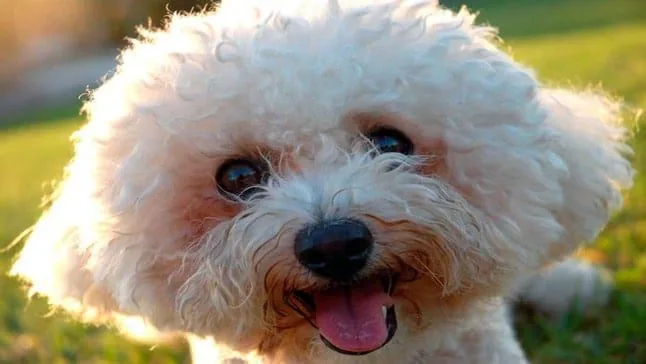 Bichon Frise
Maltese
Don't be fooled by its small size. These dogs are very brave, with a strong protective instinct. So they won't hesitate to stand up to protect their owner if they feel it's necessary. They're very cheerful, playful, and intelligent. All reasons why living with them is very easy.
The Maltese loves having a bone to chew on or a toy to bite, as well as receiving attention from its owner. It doesn't demand very long walks — 15 minutes a day satisfies it. Weekly cleaning of its eyes and muzzle will help prevent reddish-brown stains from developing in these areas.
It barely sheds. Because of this, it's considered a hypoallergenic breed, suited for people with allergies or asthma. It's a good idea to brush it 2 or 3 times a week and take it to the groomer's once every 3 months to keep its beautiful long coat in shape.
Poodle
Of its 4 varieties, we recommend the smallest, the Toy Poodle, as a companion for older adults. These are very affectionate, lively, alert dogs that appreciate playtime with people. Although they're active, they don't demand intense daily physical activity. That said, if spoiled, they can become little tyrants.
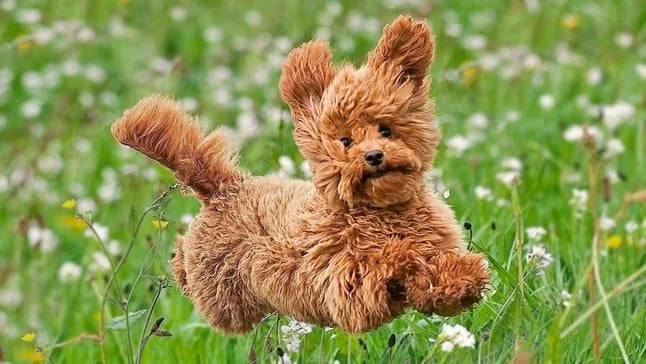 Toy Poodle
French Bulldog
Its stocky build means it prefers short walks, while its short coat stays in good shape with weekly brushing. They're affectionate, docile, and cheerful. Curling up on their owner's lap for cuddles and a nap is one of their favorite activities.
Being brachycephalic, they're prone to heatstroke. Intense exercise makes breathing harder, and snoring is common in these charming dogs. To care for a French Bulldog, you'll need to regularly clean its eyes and facial folds, since they tend to build up secretions. Just dampen a sterile gauze pad and wipe the area, drying it afterward.
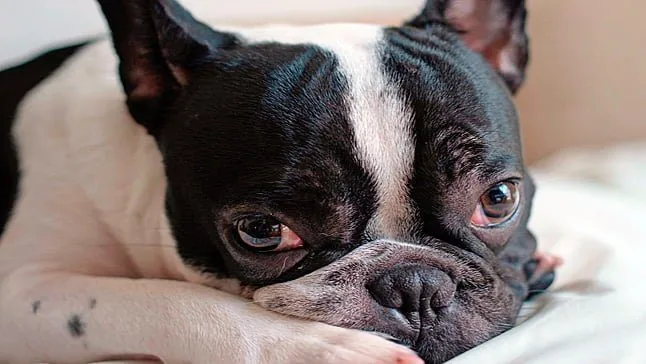 French Bulldog
Miniature Schnauzer
Its tufted eyebrows and beard give it a distinguished, intellectual look. Its attentive, expressive gaze gives us an idea of just how smart it is. It loves belly rubs and doesn't need more care than daily outings to socialize and relieve itself, plus the affection of its owner, from whom it learns daily just by observing.
West Highland White Terrier
Westies, as they're colloquially known, are considered the calmest and smartest of the Terriers. They're always up for play and don't handle long stretches alone well. In fact, they're prone to separation anxiety. So people with plenty of free time, like older adults, make ideal owners for them.
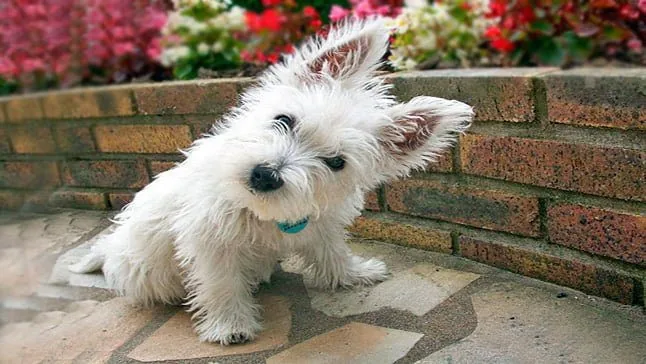 West Highland White Terrier
Pomeranian
These little dogs are true balls of love. They're always alert, watching everything happening around them, and won't hesitate to alert their owner with barking if something seems off — an interesting trait for older adults with hearing issues. They shed once a year, but lose a lot of hair, so regular brushing is needed.
Corgi
The Corgi is a suitable breed for older adults who enjoy long walks. Although not hyperactive, it does demand more daily physical activity than the previous breeds. Its short legs and long back mean there shouldn't be stairs at home. It's lively, affectionate, and easy to maintain.
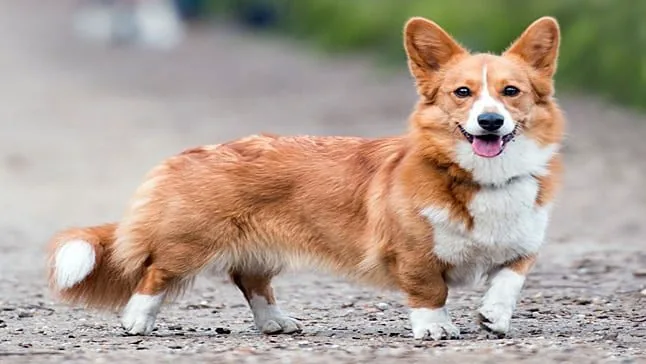 Corgi
Corgi
Galgo
They belong to a medium-sized breed, but are ideal for older adults because they're extremely sensitive, docile, and quiet. They're balanced and patient, don't need excessive care, and tend to form a strong bond with their owner. A real antidote for older adults living alone.
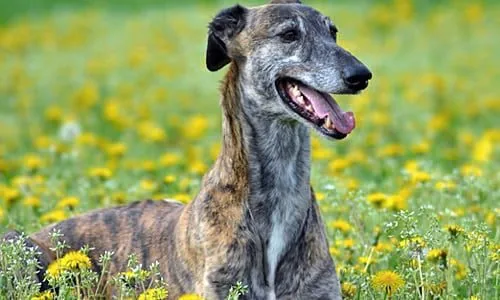 Galgo
Galgo
Goldendoodle
Did you know this breed is a cross between the Golden Retriever and the Poodle? Not surprisingly, it's inherited the best of both. They're affectionate, calm, intelligent, docile, and sociable — qualities that make them well suited for assisted therapy work. With occasional brushing and short walks 3 times a day, they stay healthy and happy.
Mixed-Breed Dogs
Dogs of undetermined breed, resulting from crosses between various breeds, deserve special attention, since their genetics tend to make them very balanced, both physically and mentally. They tend to be resistant to illness and very grateful. Without a doubt, an unbeatable companion for elderly people.
IMPORTANT: This article is for informational purposes only and does not constitute veterinary, nutritional or behavioural advice. Every dog is different, and only your trusted vet can advise you on its specific needs.