 Breeds
Top Japanese Dog Breeds
Dog breeds from Japan usually have the word "inu" in their name, which means "dog" in Japanese. These are the best-known, but there are others, without "inu," that also originated in this country.
Japanese dogs tend to be large and powerful-looking, but there are also very small breeds that make perfect companion dogs. Below, we'll highlight nine breeds native to Japan.
Akita Inu
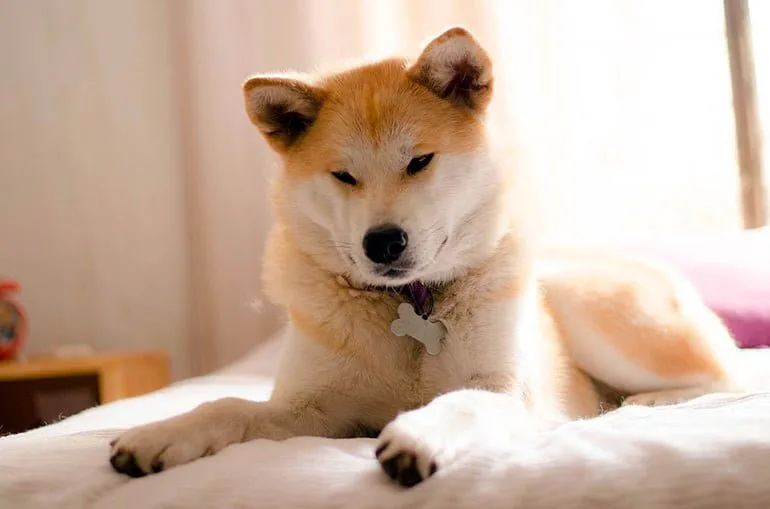
This powerful breed originated in the 17th century, meant for fighting and big-game hunting drives. Today it's a companion dog, though it can also take on security work. It's large, up to 50 kg and 71 cm tall. Its life expectancy is around 10-12 years.
It's a dog with a distinctive character, so it can be incompatible with other dogs or children. Because of its temperament, it's tricky to train and isn't recommended for first-time owners. Thanks to its thick coat, it has no trouble handling cold weather or outdoor living.
Ainu Inu (Hokkaido)
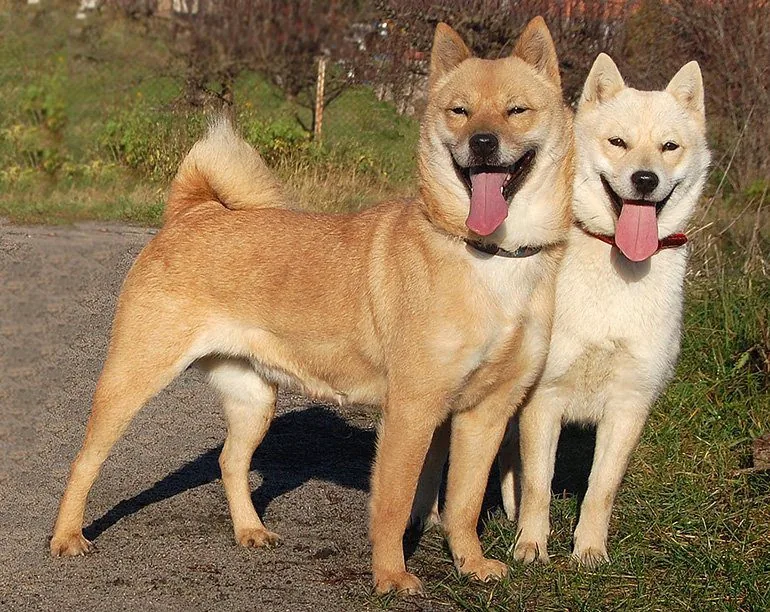
This dog's origins are lost to history. As a data point, the Ainu people arrived in Japan around 3,000 years ago. It was used for hunting large prey but today is a companion dog.
Large-sized, it reaches about 30 kg and around 56 cm tall. Its average lifespan is around 11-13 years. Perfect for harsh climates, it doesn't adapt well to city life and doesn't usually accept other dogs well. Its strong character makes it hard to train.
Kai Inu
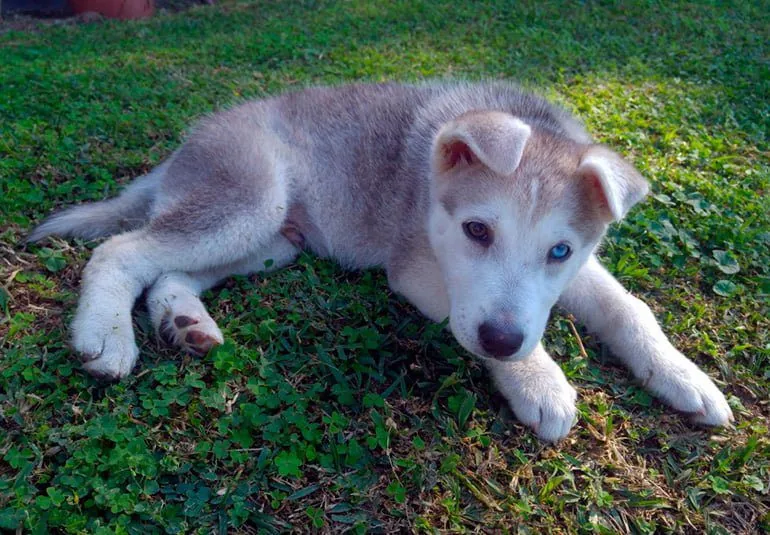
This breed emerged in the 18th century and was used for big-game hunting, though its size is medium, up to 18 kg and 58 cm tall. It lives around 11-13 years and today serves as a companion.
It's an animal that adapts to both indoor and outdoor life, since its coat lets it withstand harsh weather. It makes a good guard dog. It's not overly friendly with other dogs.
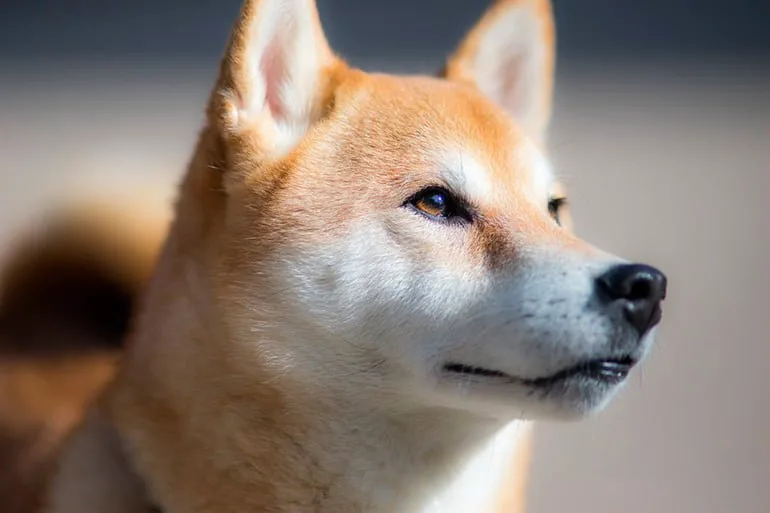
Shiba Inu
This breed's relationship with humans began by helping hunt small game in ancient times, though today it's known as a companion dog. Small-sized, it doesn't exceed 10 kg or 41 cm tall.
Its life expectancy is between 12 and 13 years. It's a dog that's good with children and other dogs. A good guard dog, and well suited to both hot and cold climates. It can also be happy living in the city.
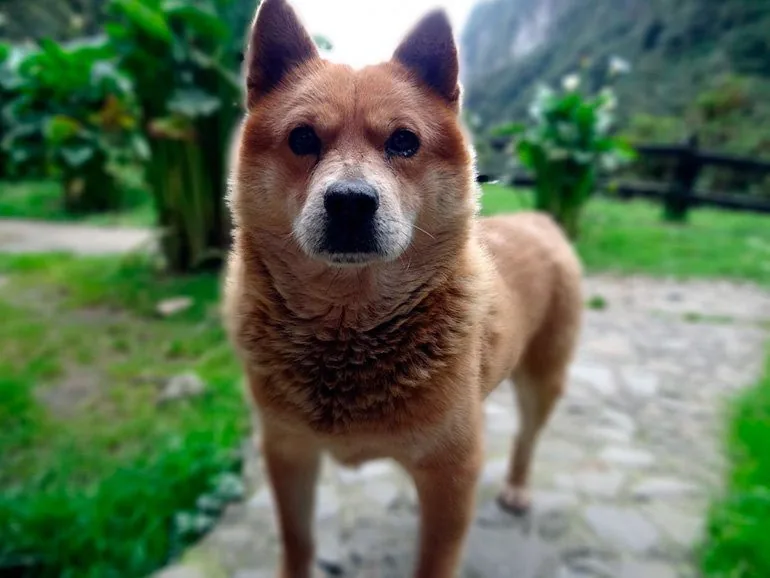
Shikoku
This is another ancient Japanese breed used since its origins for hunting. Today it still does this work but is more commonly kept as a companion dog. Medium-sized, it doesn't exceed 20 kg or 55 cm tall. Its life expectancy ranges from 11 to 13 years.
It can be difficult to teach obedience, but on the other hand, it adapts well to city life and to both cold and hot climates. Although its coat isn't too long, it is quite dense, so it needs regular grooming.
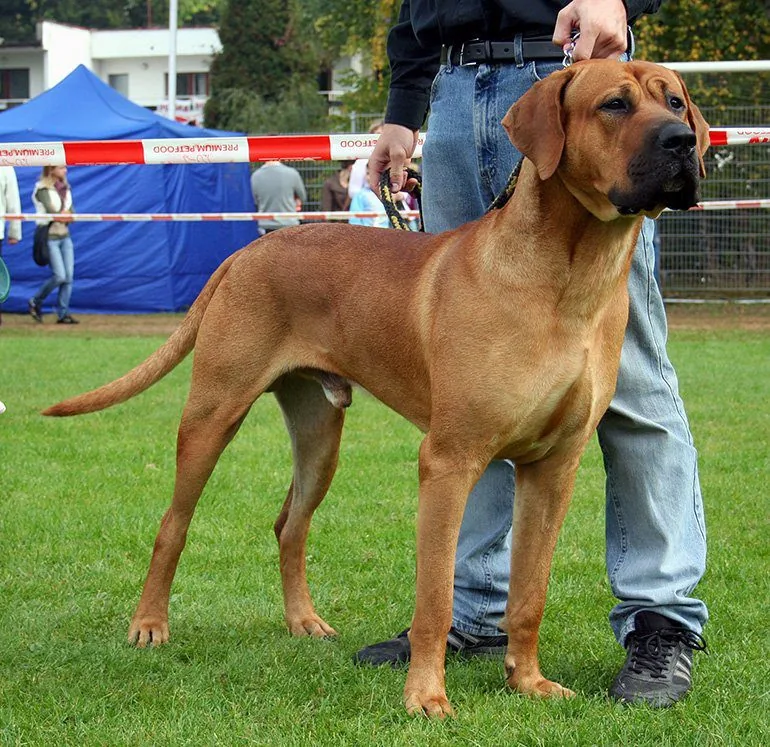
Tosa Inu
This breed, known for its size, originated in the 19th century. It was used in dogfighting, though thankfully that use has fallen out of practice, and today it's found as a companion dog. Its weight can reach up to 90.5 kg, with a height no greater than 65 cm. It's estimated to live around 11-12 years.
This dog needs experienced owners. It has no trouble living outdoors, but doesn't adapt well to city life, nor does it tolerate the presence of children or other dogs well. It also needs plenty of exercise and firm training, since it can be stubborn.

Japanese Terrier
The Japanese Terrier emerged in the 18th century. Its first job was hunting rodents, but today it's a companion dog. It lives around 12-14 years and is small-sized. It doesn't weigh more than 6 kg or exceed 33.5 cm in height.
This is a breed with plenty of advantages for cohabitation, since it can live in apartments, doesn't need much exercise, and thanks to its short coat, doesn't need much grooming either. Always alert, it works well as a guard dog, since it announces the presence of any stranger, but isn't suited to living outdoors.

Japanese Spaniel
Since it emerged in the Middle Ages, this small breed has remained a perfect companion dog. It's good with children, adapts to city life, is able to live with other dogs without issues, and can even handle cold climates.
The only downside is that, due to its alert nature, it can bark excessively. Also, its long coat will need frequent grooming and brushing. It doesn't exceed 5 kg or 25 cm tall. It lives around 12 years.

Japanese Spitz
This small breed appeared as early as the 20th century, with individuals not exceeding 6 kg or 36 cm tall. Its main role was, and still is, companionship, though today we also find it working as a watchdog thanks to its great ability to warn of potential danger.
It has an average life expectancy of 12 years. It's good with children and adapts easily to city life. It likes to learn and gets along well with other dogs. Its distinctive white, dense, long coat needs regular grooming.
IMPORTANT: This article is for informational purposes only and does not constitute veterinary, nutritional or behavioural advice. Every dog is different, and only your trusted vet can advise you on its specific needs.