 Breeds
Which Are the Smartest Dog Breeds?
Our dog will always be, to us, the smartest, most affectionate, most playful of them all. But if we look at breeds from a scientific angle, which ones are naturally the smartest?
Good stimulation and socialization during the first years of life will go a long way toward properly developing their intelligence. But let's see which breeds rank as the smartest without that kind of stimulation.
How Is Intelligence Measured in a Dog?
Canine intelligence has three main dimensions:
- Adaptive: The ability to find solutions to problems on their own, through deduction.
- Instinctive: Related to genetics and the dog's innate talent.
- Working (or obedience) intelligence: Has to do with their ability to follow commands.
Objectively determining which breeds are smartest, factoring in all three, seems impossible today. That said, various studies have managed to put together a ranking based on working intelligence.
Breeds with a higher IQ are considered those that, on average, learn a new command in fewer than five attempts. On top of that, they follow it correctly 95% of the time, even without professional training.
This doesn't mean the rest of our furry friends don't understand us — they just need more attempts and more thorough training to follow an instruction. Some will respond after five tries, while others may need up to 80 repetitions.
Nothing practice can't fix!

Which Are the Smartest Breeds?
To identify the smartest breeds, many experts rely on the ranking put together by psychologist Stanley Coren. This university professor studied canine behavior and compared the results from 199 dog show judges to build a list. At the top are the dogs considered smartest in terms of working intelligence. These are:
- Border Collie. Known for its great learning ability, obedience, and intuition. It's also an agile breed with fast reflexes, which is why it's commonly used for herding.
An interesting story is that of Chaser, a Border Collie who in 2011 could identify over a thousand words and recognize more than 20 toys by name — she could even pick them out of a pile on command.
- Poodle. We already know how active and playful they are, but they're also dogs with above-average intelligence.
They're methodical, very sensitive, and energetic, which makes training easier. They have a very sharp sense of smell and love water. They tend to do very well in Agility competitions.
- German Shepherd. Vigorous, agile, alert, and highly intelligent — that's what dogs of this breed are like. They perform many tasks alongside humans. For example, they're good guard dogs, guide dogs, and police dogs.
- Golden Retriever. Recognized for their great intelligence. They have a high capacity for focus and are very sociable. One Golden Retriever who became world-famous was Bretagne, for her work as a search-and-rescue dog during the September 11 attacks in New York.
They're often confused with the Labrador breed, given their physical similarity. You can learn to tell them apart easily here: Differences Between the Golden and the Labrador.
- Doberman. Strong and energetic. Because of this, it's important for them to get plenty of exercise and proper socialization.
As for personality, the Doberman stands out for being attentive and deeply loyal to its owner. We can find them working as guard dogs, but also accompanying police officers and military personnel in their daily work.
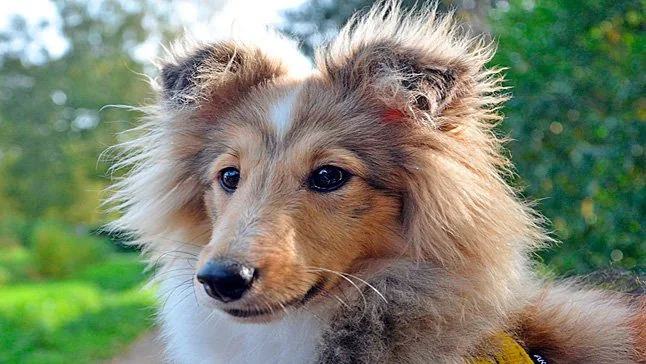
- Shetland Sheepdog. Popularly known as the "Sheltie," this other herding dog is no slouch either. It likes to stay busy, be trained, and be around children.
- Labrador Retriever. A very balanced, family-oriented, affectionate type of dog. It's always eager to help, which is why many emergency units rely on it for rescue work. It's very common among guide dogs and in patrol units. It's also a good swimmer.
- Papillon. Great companions, loyal and easy to teach. They're good at solving problems and are also very empathetic with people, since they're quick to pick up on our mood.
They also stand out for being great jumpers and very affectionate. This last trait makes them excellent therapy dogs in hospitals and nursing homes.
- Rottweiler. A mentally sharp dog, very protective of home and family. Strong and adaptable to different situations, it's a good guardian and, though it might surprise you, actually a herding breed. That said, proper socialization and obedience training are essential.
- Australian Cattle Dog. It has a lot of energy, so it needs to play, walk, run, and exercise constantly. That's why it's an ideal dog for the more sporty types.
It's just as intelligent as the Border Collie and has traditionally been closely linked to herding and country life. Today it's also highly valued as a guide dog and as part of search patrols for people or drugs. Being alert and observant, it learns quickly.
Coren's ranking goes on to list many other breeds, found in his book The Intelligence of Dogs. Specifically 79 breeds, divided into 6 categories. But let's be clear about one thing: if your dog ranks near the bottom, don't worry too much.
As we saw, canine intelligence takes many other factors into account. It's also not always a synonym for obedience. In fact, how easy or hard it is for a dog to learn has a lot to do with its behavioral development from gestation onward.
So take this list as a general guide, and remember that a dog's mind doesn't work the same way a human's does. So, had you heard about this ranking before? When was the last time you thought, "my dog is so smart"? Tell us your stories in the comments. We'd love to hear them!
IMPORTANT: This article is for informational purposes only and does not constitute veterinary, nutritional or behavioural advice. Every dog is different, and only your trusted vet can advise you on its specific needs.