 Breeds
Top Dwarf Dog Breeds
Small dog breeds have always stood out for their extraordinary abilities, how easy they are to care for, and for being excellent household companions.
Known as toy, mini, or even dwarf breeds, these little dogs will quickly win us over, earning a huge place in our hearts. Want to know which are the most popular?
We've selected 6 breeds, historically used to keep pests, especially rodents, under control. But thanks to how well they've adapted to family settings and their sociability, they've earned a great reputation as companion pets.
Their obedient, active temperament, along with their minimal care needs, make them favorites among city dwellers or people with little free time. Below, we show you their main characteristics and care needs.
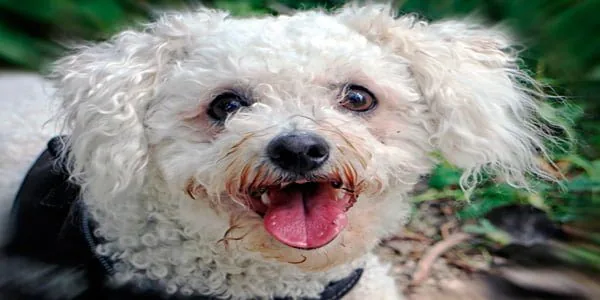
Bichon Frise
Did you know it appears in every ranking of the most popular dogs? Even so, its origin is quite murky. It's believed to come from a cross between the Maltese, the Water Spaniel, and the Barbet.
Besides its natural charm, this dog is known for the huge loyalty it feels toward its owner. It's suited to living with children and other dogs, since it's very social and respectful.
Its height ranges from 23-38 cm and its weight from 3-6 kg. Its coat, pleasant to the touch, forms curls in white shades or with chestnut or gray patches. Its eyes are small and highly expressive, and its nose black and shiny.
To keep it healthy and happy, we need to take care of its eyes and muzzle to prevent the reddish stains caused by saliva and tear secretions.
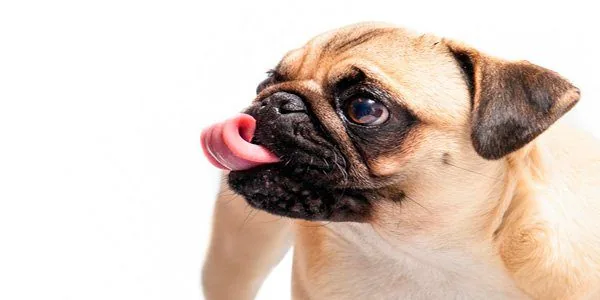
Pug
Also known as the Carlino in Spain or Mops in Germany, this is one of the oldest breeds in the world. In fact, it was a prized gift at Chinese imperial weddings more than 3,000 years ago.
Its name comes from the Latin pugnus, meaning "fist," a clear nod to its clenched-fist-shaped face. You'll find it in various shades: fawn, apricot, silver, gray, with white legs, or brindle.
Its molosser build gives it a prominent, square head, fitted with powerful jaws and a flat muzzle. Despite its small stature, reaching 30-36 cm, it has a proportionate, well-developed musculature.
With a gentle, affectionate, obedient character, it can also be quite stubborn. We need to clean its eyes and facial folds using cold water or tea to remove dirt and prevent infections.
We should avoid hot environments and watch its diet to keep its tendency toward obesity in check.
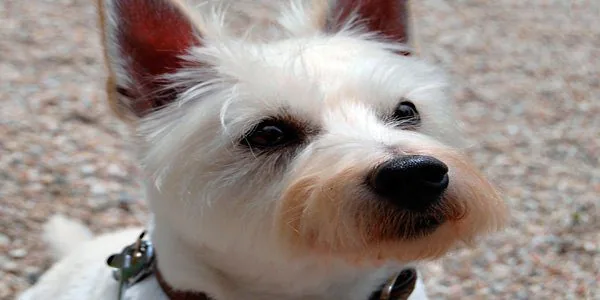
West Highland White Terrier
Also known as the White Terrier or Westie, this lively dog comes from the Cairn Terrier breed of the Scottish Highlands, where it was a magnificent ally for hunters in their fox, badger, or rabbit drives.
Its intelligent, always-alert temperament explains its effectiveness at controlling farm rodent pests. It reaches 28 cm and 5-8 kg in weight. Its build is compact, with a notably upright tail and small, expressive black eyes.
Its most demanding care needs revolve around its coat. The outer layer requires daily brushing, along with regular grooming appointments, since it grows very quickly. Its skin tends to dry out, so we should bathe it monthly with a shampoo specific to its breed.
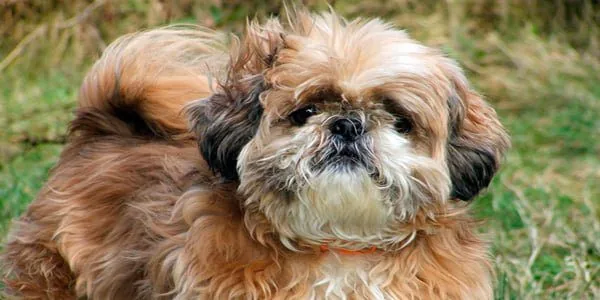
Shih Tzu
This cross of Tibetan and Pekingese dog is historically Tibet's guard dog. In fact, its name translates as "lion dog," a nod to the Chinese guardian lions.
It can stand 20-27 cm tall and weigh 4-8 kg. Its most distinctive physical trait is its long coat, which falls over its eyes and muzzle and adorns its tail. Given its tendency to tangle, you'll need to brush it daily.
Very playful, sociable, and independent, it provides affectionate company. Keep it in shape with regular exercise, since it's a breed prone to weight gain. Pay extra attention to hygiene around its eyes and teeth, and remove its droppings promptly to prevent it from eating them.
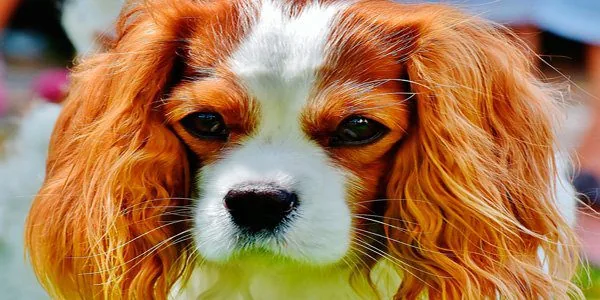
Cavalier King Charles Spaniel
A recurring subject in 16th-century English portraits, its popularity peaked thanks to King Charles II, who named it England's official pet, overturning rules that barred it from certain establishments.
Its shades range from tricolor to a chestnut-and-black combination and black or chestnut markings. Its height is around 30-34 cm (36 cm in males) and 6-11 kg in weight. Its long, furry ears are its main trademark, along with its trimmed muzzle and constantly wagging tail.
If you choose this breed, it's essential to brush its teeth daily with a specific toothpaste, since they tend to build up tartar. Likewise, earwax can complicate its hearing health. Wash its coat once a month with a shampoo suited to its coat shade, and dry it thoroughly to prevent fungal growth. Brush it twice a week to help the skin breathe and keep parasites away. We're sure it'll know how to thank you for all this care.
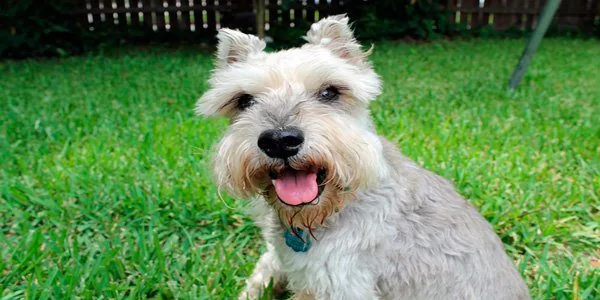
Miniature Schnauzer
This breed is native to Frankfurt (Germany), specifically from crossing the Standard Schnauzer with smaller breeds like the Affenpinscher or the Miniature Pinscher.
Its name, which in German (schnauze) means "snout," explains one of its most obvious traits. Highly valued for pest control, it has a sturdy, formal bearing thanks to the beard-like fur on its face and its usually short legs.
It reaches 30-35 cm in height and 5-6 kg in weight. Its elongated head, bushy eyebrows, V-shaped ears, and saber-shaped tail, always carried upward, are among its other standout features.
It'll be a loyal companion if you live in a small apartment. It adapts easily and prefers the company of human adults. Its coat, in white, black, or combinations of gray and black or black and white, requires attention to the undercoat. Brush it every 2 days to prevent tangles and bathe it monthly with a special shampoo.
As you can see, there's a huge variety of options to choose from. Whatever your decision, whether you buy or adopt, remember to keep its vet records up to date and enjoy!
IMPORTANT: This article is for informational purposes only and does not constitute veterinary, nutritional or behavioural advice. Every dog is different, and only your trusted vet can advise you on its specific needs.