 Breeds
Endangered Dog Breeds
It's not just the wild world facing the constant threat of extinction. As hard as it may be to believe, some domestic animals, like certain dog breeds, are also on the verge of disappearing.
Whether due to the breed's low birth rate, the effects of crossing with other dogs, or simply the impact of trends, these animals are destined to disappear if we don't do something to prevent it.
In fact, there are many dog breeds we can now only see in pictures, like the Techichi, the Paisley Terrier, or the Braque du Puy. At SoyUnPerro, we want to introduce you to 7 endangered dog breeds so you can get to know them before it's too late.
Catalburun
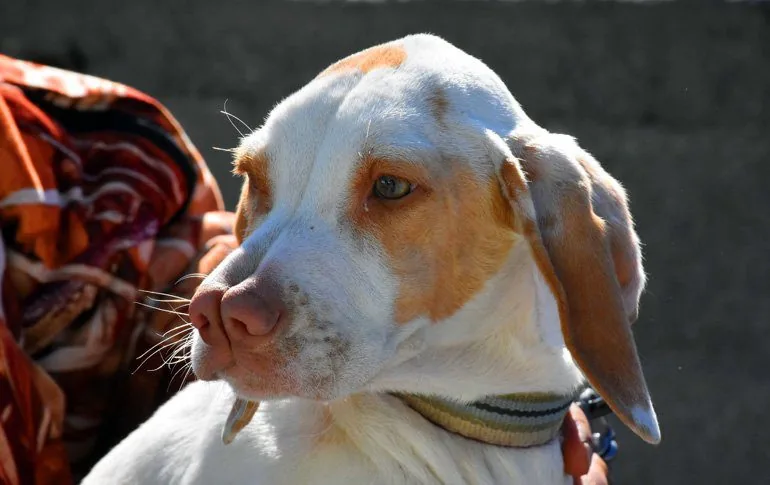
The Catalburun, or Turkish Pointer, is a dog breed native to Turkey, almost nonexistent anywhere else in the world, with a very unique trait: a split, heart-shaped nose, the result of a genetic deformity from inbreeding within the same family (a trait it shares with the Pachón Navarro).
They have a short coat and tail, and large, long ears. They're strong, agile, fast, tracking dogs, and large — around 25 kilos. These traits make them good hunters.
Lastly, Catalburuns are also obedient, loyal, and independent, though not very sociable with children or other pets. That said, if socialized from a young age, they make excellent pets.
Puli
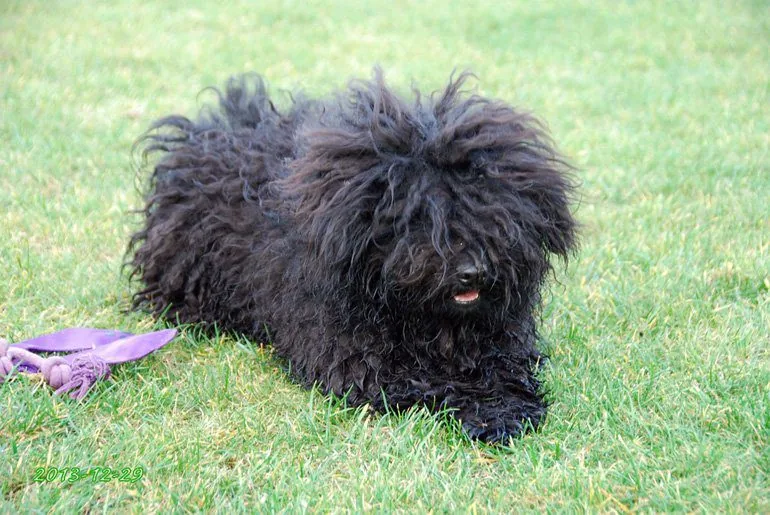
The Puli, or Hungarian Puli, is a herding breed native to Hungary, where it's a national symbol. Its size is small-to-medium, and it stands out for its long, corded coat, which starts forming around 6 months of age and needs a lot of attention.
Its temperament, meanwhile, is affectionate, friendly, and gentle with children, and it makes an outstanding guard dog. It's also especially quick to learn and can adapt to living in either towns or cities, though it needs a fair amount of daily activity.
Rhodesian Ridgeback
Another endangered dog is the Rhodesian Ridgeback. Native to South Africa, this roughly 36-kilo dog is especially fast and agile, making it a great hunter and guard dog, though it's also common as a companion dog.
Besides being strong and muscular, this breed is very athletic and active. Its reddish-brown coat is short, smooth, glossy, and dense, and on its back it has a ridge of hair that grows against the direction of the rest of the coat — not to be confused with hackles raised from tension or anger.
Lastly, they're loyal, stable, intelligent animals, patient with children, protective of their family, and distant with strangers. This last trait shouldn't be confused with aggressiveness, since that will depend on the training and socialization they receive.
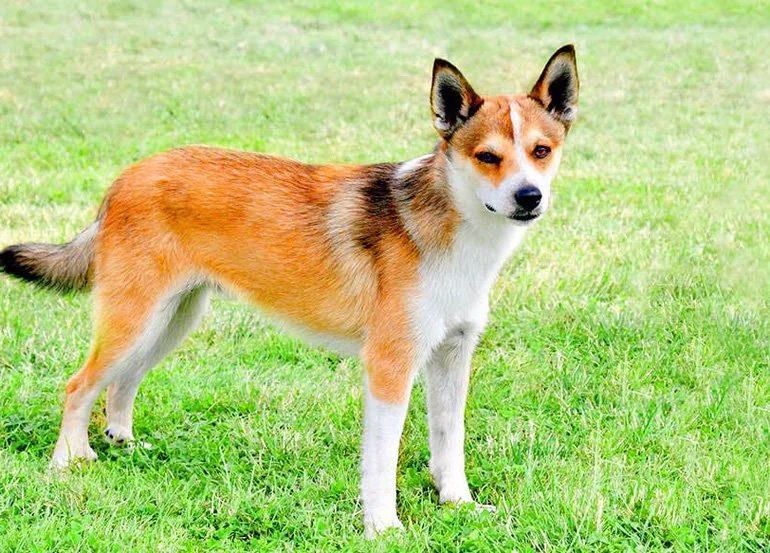
Lundehund
This Norwegian breed was bred as a hunting dog, with its main prey being Norway's iconic bird, the Atlantic puffin. In fact, the Lundehund is so closely tied to puffins that it's even written into the etymology of its name: "Lund" — "puffin"; "hund" — "dog."
The Lundehund is a small, rectangular Spitz-type dog, with a thick, dense coat and a tail curled over its back. They're also very flexible, fast, and skilled climbers.
Besides hunting birds and their eggs, this dog is also famous for two very unique physical traits: its six toes on each paw, and joints in its neck that let it move its head much more than other dogs.
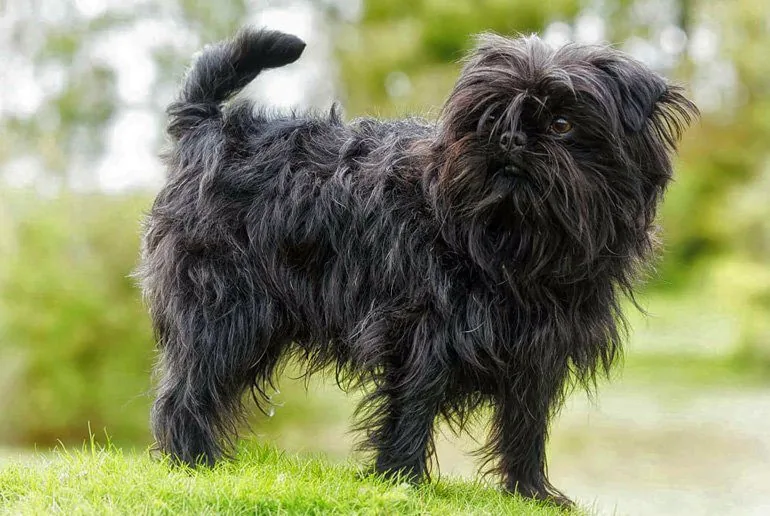
Affenpinscher
The Affenpinscher is a small, sturdy dog weighing about 3 to 4 kilos, related to the Pinschers. It has a large, furry, round head and a short, bristly black coat — traits that earned it its German name, Affenpinscher, meaning "monkey terrier" in English.
Its physique also stands out for its pointed, upright ears and prominent lower jaw. This special dog also makes a good watchdog, always alert, and enjoys hunting rabbits. Lastly, it makes a great pet, with an affectionate, active, family-oriented character.
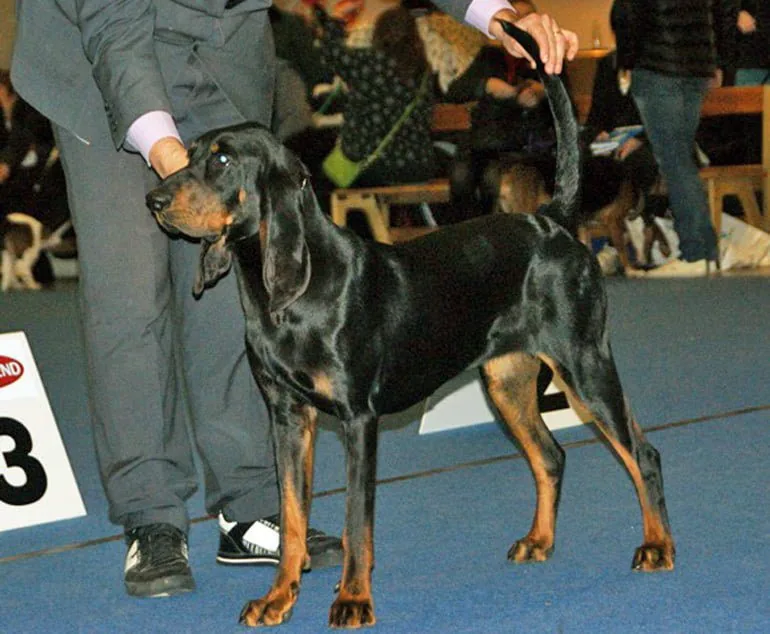
Black and Tan Coonhound
The Black and Tan Coonhound is a hunting dog with a very pronounced instinct for tracking prey by scent. Like the other five Coonhound varieties, this hound-family breed developed in the United States for raccoon hunting.
The Black and Tan Coonhound is a large dog with a strong build, prominent muzzle, and dense, short, mostly black coat. It's also active, calm, independent, and agile, though not especially fast.
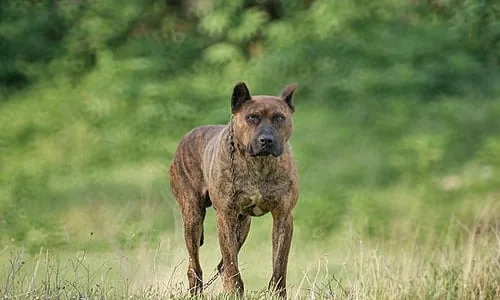
Spanish Alano
Specifically in our country's case, the Spanish Alano is a highly vulnerable breed. It's recognized by its sturdy bones, strong jaw, bravery, and obedient character. This roughly 40-kilo dog is also an outstanding guard and big-game hunting dog.
The breed, introduced to the Iberian Peninsula around the 5th century, began seeing a decline in numbers starting in the late 19th century, due to the introduction of new breeds, its work being phased out, and its exclusion from bullfighting events.
The situation became so critical that in the following years the breed was considered extinct. However, some individuals remained useful as herding or catch dogs.
Fortunately, today the population is gradually growing, but its biggest threat now centers on inbreeding, due to the small number of remaining individuals and how easily they end up breeding with a related dog.
More Endangered Dog Breeds
Unlike the Chihuahua or Husky, so trendy today, many dog breeds go unnoticed or are unknown to most of us. On top of that come other issues linked to low birth rates or interbreeding.
All these problems threaten the survival of some breeds. That's why, although our list has 7 dog breeds, there are many others that unfortunately are currently also endangered or vulnerable:
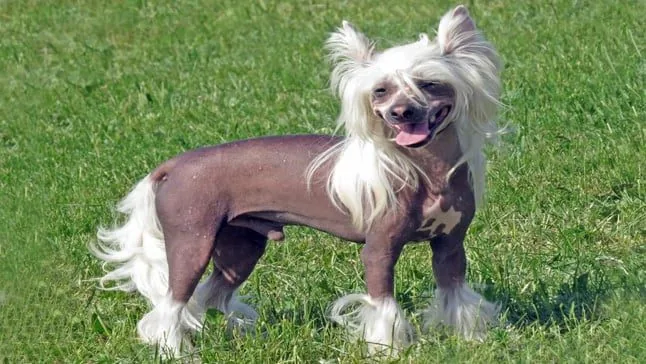
- Chinese Crested
- Xoloitzcuintle
- Catahoula Leopard Dog
- Bedlington Terrier
- Otterhounds
- Thai Ridgeback
- Tibetan Mastiff
- Mudi
- Peruvian Hairless Dog
IMPORTANT: This article is for informational purposes only and does not constitute veterinary, nutritional or behavioural advice. Every dog is different, and only your trusted vet can advise you on its specific needs.